
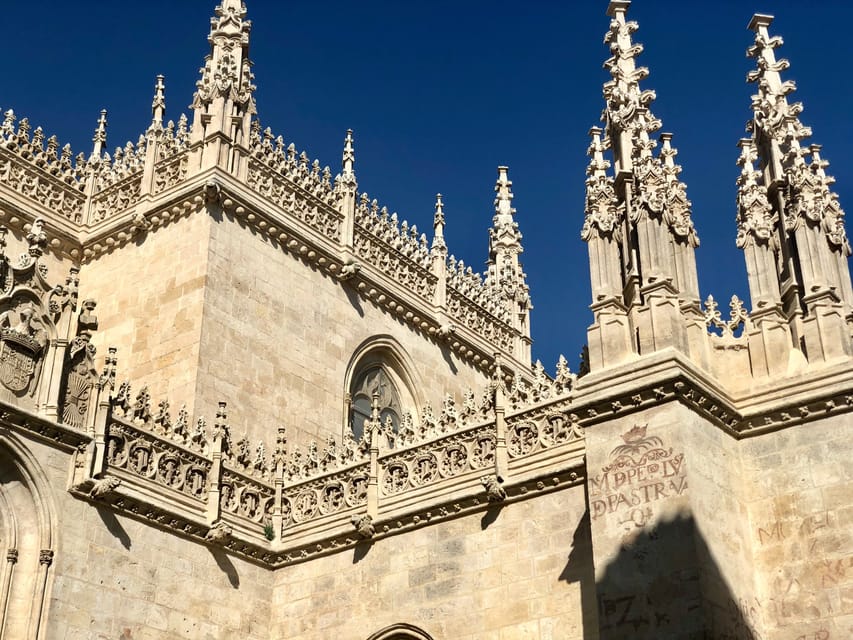
Reviewed · GRANADA CATHEDRAL & ROYAL CHAPEL
Granada: Private Cathedral and Royal Chapel Tour
In Granada, faith and power changed fast. This private, 3-hour tour connects the story from Muslim Granada to Christian rule through the Royal Chapel and Granada Cathedral, with skip-the-line tickets to keep you moving.
I especially like how the guide work turns stone into a timeline you can follow, and how the stops are tied to real people—think Queen Isabella and King Ferdinand—rather than vague dates. It’s also a good value for a short visit because you’re not hunting entry lines while you’re in the busiest area of town.
A possible drawback: the whole experience is centered on religious sites and interpretation, so if you’re looking for lots of free time or shopping time, this might feel a bit structured.
In This Review
- Key reasons this tour works in Granada
- Royal Chapel of Granada: Isabella, Ferdinand, and a very specific kind of silence
- Granada Cathedral: a giant symbol you can actually understand
- A small expectation check
- The Cathedral-to-market connection: Alcaicería and the 15-minute reality check
- Plaza de Isabel La Catolica: the monument that links Isabella to Columbus
- How the guide makes or breaks this tour (and you’ll notice)
- Tour logistics that keep things smooth in the center of Granada
- What to bring
- Price and value: is $141 per person worth it?
- Who this tour suits best
- Should you book Granada: Private Cathedral and Royal Chapel Tour?
- FAQ
- How long is the Granada private cathedral and Royal Chapel tour?
- What’s included in the ticket price?
- Is this tour private?
- Where does the tour start?
- Are photos or videos allowed inside the Royal Chapel?
- What languages are offered?
- What should I bring?
Key reasons this tour works in Granada
- Skip-the-line entry for both the Royal Chapel and the Cathedral saves time in a high-demand zone.
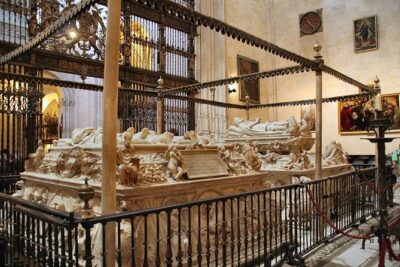
- Royal Chapel focus on the tombs of Spain’s most famous Catholic monarchs.
- Granada Cathedral context explains why this huge Christian landmark matters in the city’s shift.
- Short market-stroll stop at Alcaicería gives you a taste of the old Muslim market vibe.
- City-center walking stops help you connect monuments like Plaza de Isabel La Catolica to the broader story.
Royal Chapel of Granada: Isabella, Ferdinand, and a very specific kind of silence
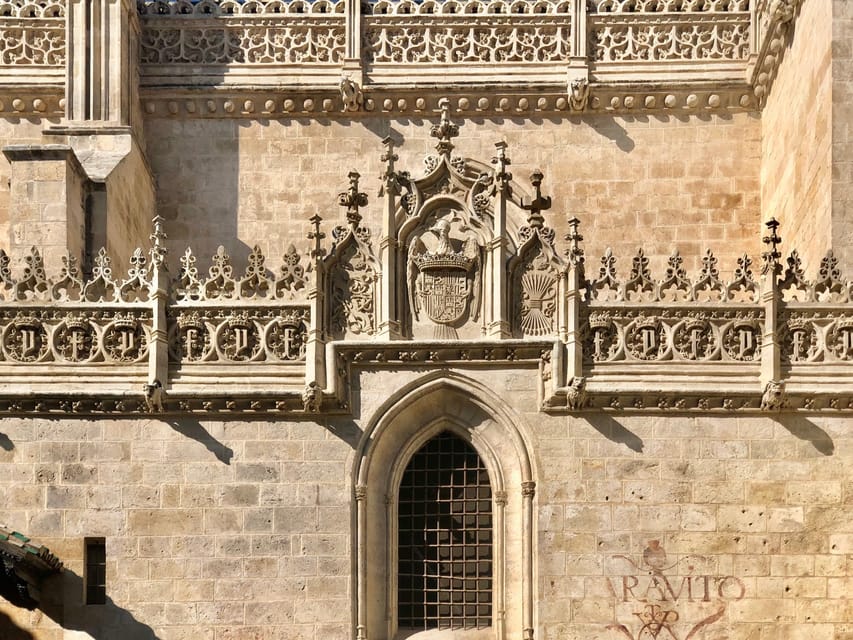
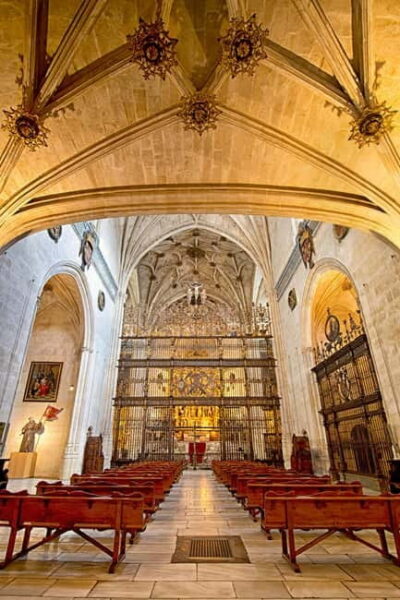
The tour starts with a pickup at your pre-set meeting point, then heads straight to one of Granada’s emotional anchors: the Royal Chapel. This is the final resting place of the Spanish monarchy that helped reshape the country—Queen Isabella and her husband, King Ferdinand. Even if you don’t consider yourself “a chapel person,” it’s hard not to feel the weight of the place. This isn’t just architecture; it’s a message written in stone.
What you’ll get here is guided explanation, not just ticket access. The value of a live guide is that you can connect what you see with why it was placed here, and how rule and religion became intertwined in Granada. The chapel is also one of the places where you need to follow the rules strictly: no photos or video are allowed inside the Royal Chapel. So I’d treat your phone like it’s on airplane mode for part of the visit—keep it away and focus.
One practical thing to plan for: chapel time moves more slowly than outdoor sightseeing. You’ll want comfortable shoes, and you’ll also want to be mentally ready for a quieter, more reflective stop.
Granada Cathedral: a giant symbol you can actually understand
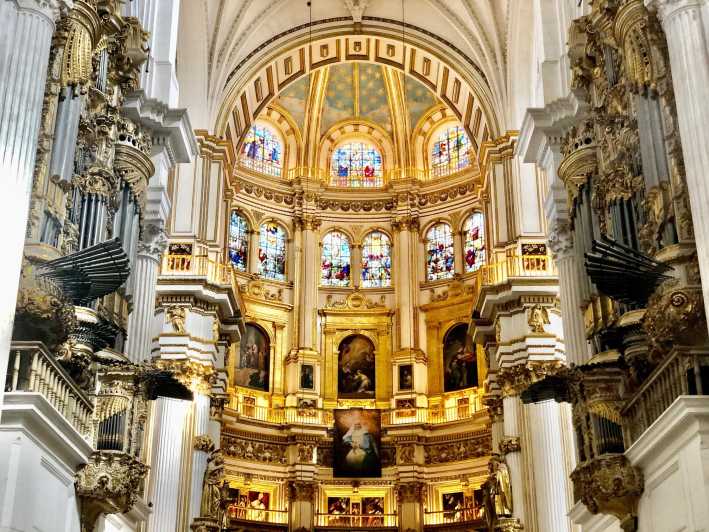
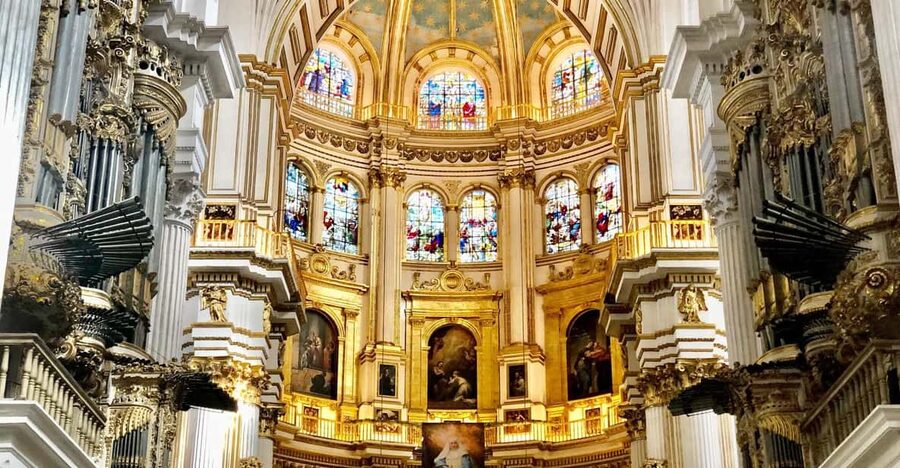
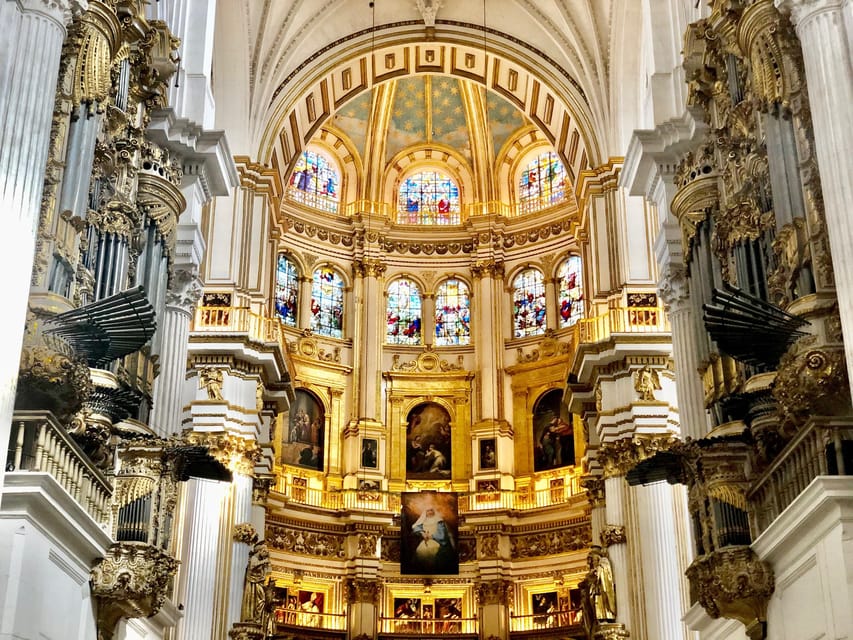
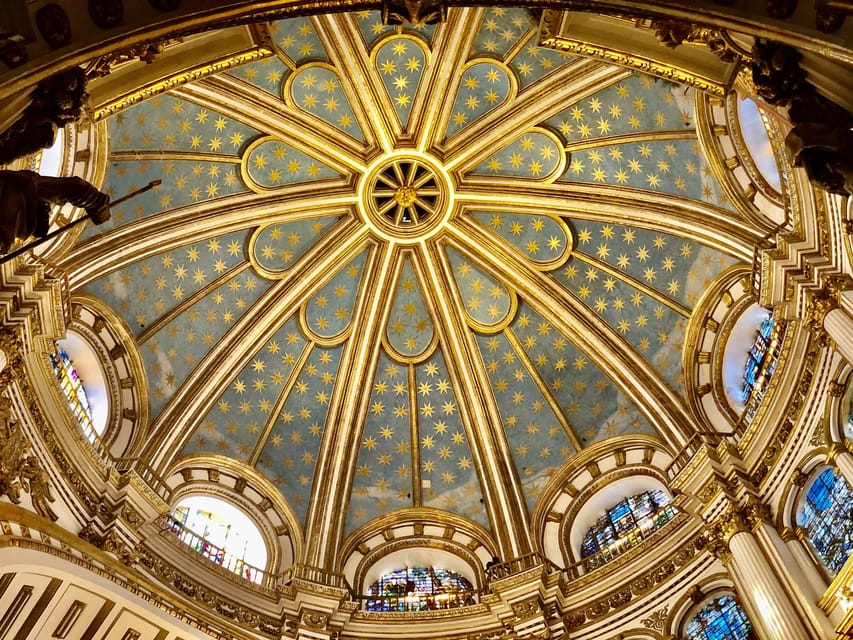
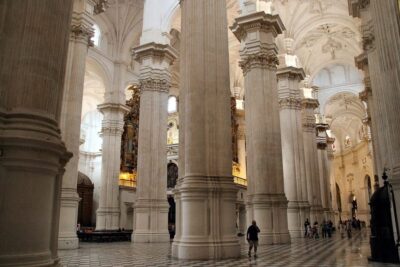
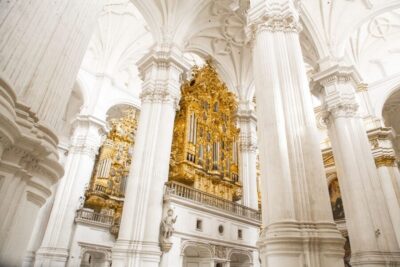
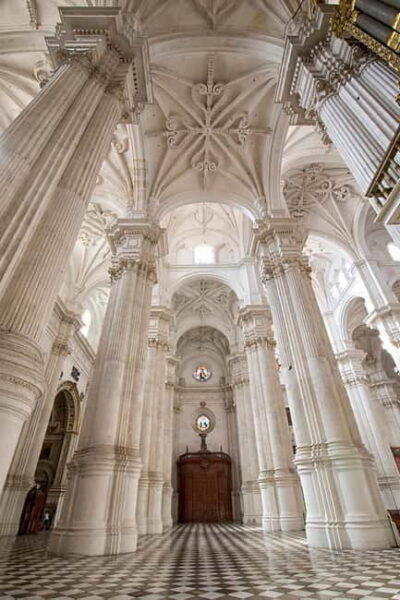
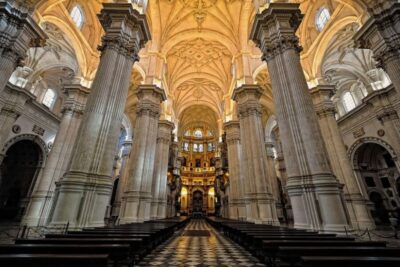
After the Royal Chapel, the itinerary shifts to Granada Cathedral—one of the biggest cathedrals in Spain and a major symbol of Christianity in the country. If you’ve ever looked at a big church and thought, Okay, but what am I supposed to notice, this stop is exactly where a good guide matters.
The tour framing is helpful: it explains Granada’s transitional process from the medieval era of Muslim dominance to the modern Christian influence you see in the city today. That means the Cathedral isn’t presented as an isolated monument. It’s part of a larger story of how power, belief, and public space changed.
At this stage, you’ll also feel the “skip-the-line” advantage more clearly. The Cathedral area is busy, and lines can eat your time fast. With fast entry, you get to spend your energy on the explanation and the key visual details.
A small expectation check
Because this is a cathedral-focused tour, you’ll see fewer “surprise” stops and more of a carefully chosen sequence. That’s not a downside—just a style choice. It’s designed for people who want clarity in a short window, not random wandering.
The Cathedral-to-market connection: Alcaicería and the 15-minute reality check
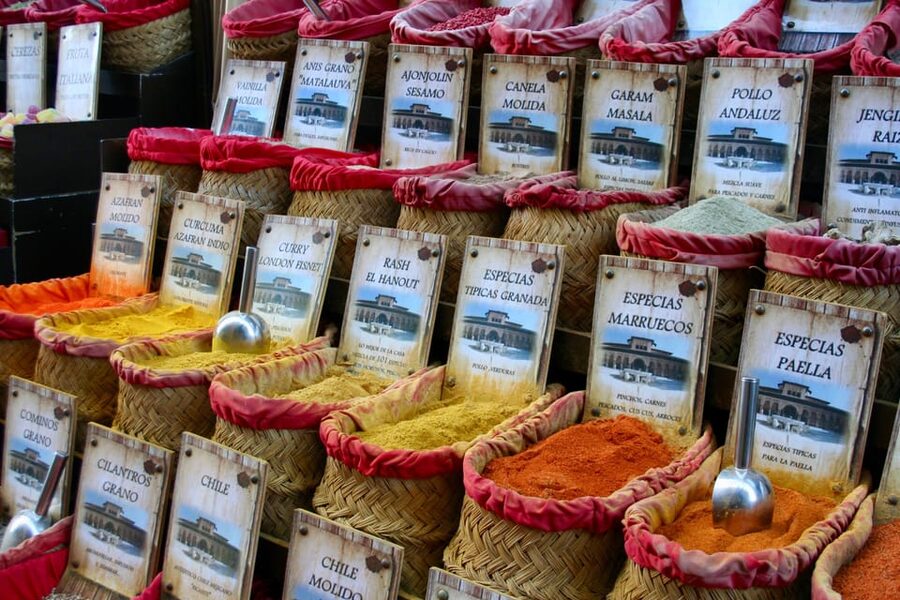
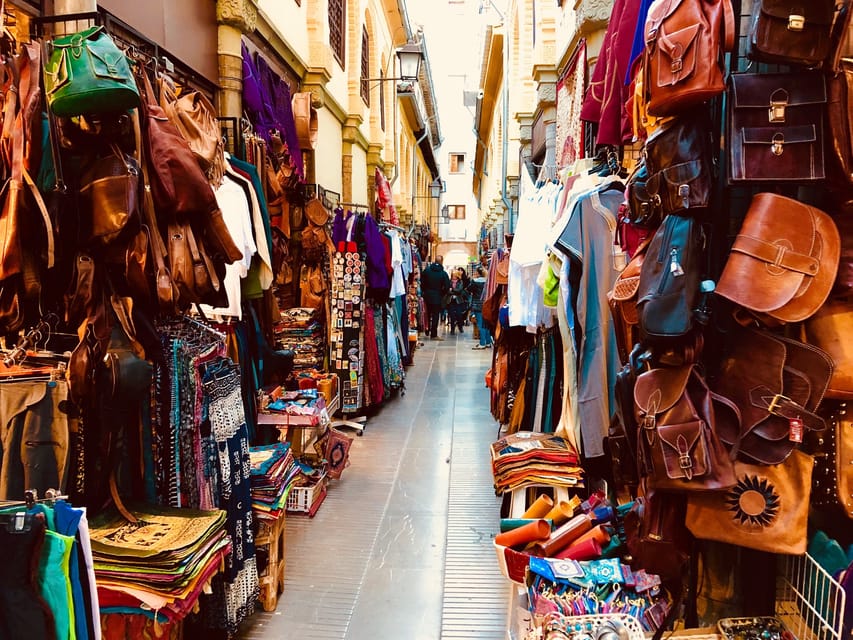
Next up is Alcaicería, a historic Muslim medieval market area. You’ll spend about 15 minutes here, which is short on purpose. In this part of Granada, the goal isn’t to shop or linger for an hour. It’s to get the feel of what the market would have meant in earlier days, and then move on with your guide’s explanation as you walk through the area.
The time limit can be a drawback if you fall in love with the street and want to explore longer. But it can also be a benefit. With only 15 minutes, you’ll still see enough to connect Alcaicería to the tour’s broader theme: Granada wasn’t always a Christian-majority city in the way you experience it today.
If you want more shopping time, build that into your independent plans after the tour. Treat Alcaicería on this route like a quick orientation stop, not your main market outing.
Plaza de Isabel La Catolica: the monument that links Isabella to Columbus
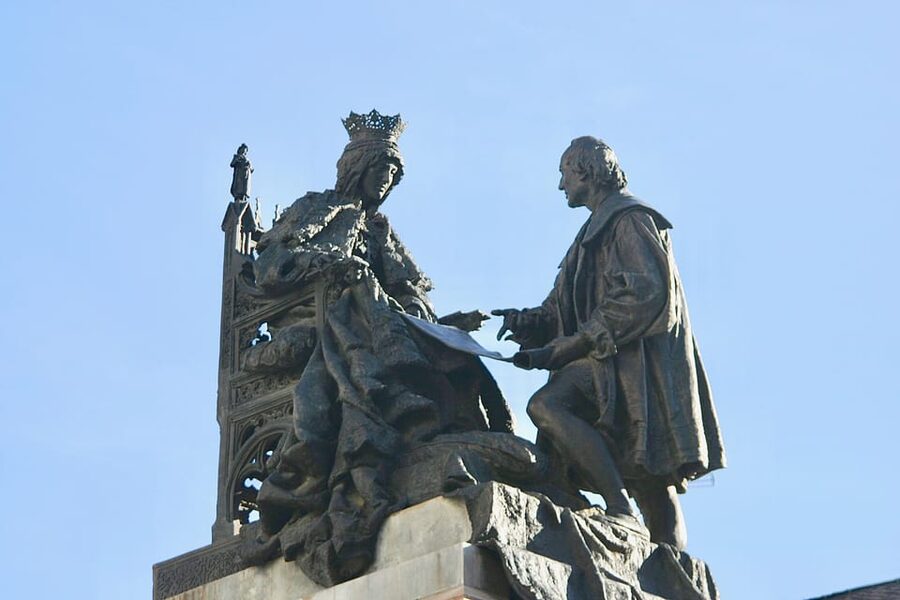
Towards the end, you visit Plaza de Isabel La Catolica, where a monument commemorates Queen Isabella’s meeting with Cristopher Columbus. This is a short stop, but it does an important job: it makes the historical figures from the Royal Chapel feel less abstract.
When a tour connects the monarchy’s resting place with the public memory of major exploration and political influence, it helps your brain build a single picture. You stop seeing a series of buildings and start seeing a network of decisions—religion, rule, and world change—played out across locations.
It’s also a good final act because it’s outside-facing. You’ve already handled the quiet intensity of the Chapel and the big scale of the Cathedral. This plaza gives your eyes a break while your guide ties it all back together.
How the guide makes or breaks this tour (and you’ll notice)
The reviews for this experience are extremely consistent about one thing: the guides are friendly, energetic, and willing to answer questions. Names like Gosia / Małgorzata come up repeatedly, and the common thread is how approachable they are. People highlight that the guide doesn’t just recite facts. They shape the visit around your interests and your time limitations.
That matters because a 3-hour tour can go two ways. It can feel rushed, or it can feel thoughtful. The best version is what you’re paying for here: a plan that keeps the schedule tight while still leaving room for real understanding.
So when you book, I’d go in with one or two things you care about—religious transition, key monarchs, architecture, or the idea of how cities change under new power. That helps you get more from the guide’s explanations.
Tour logistics that keep things smooth in the center of Granada
This is a private group experience, so you’re not forced into someone else’s pace. It’s a format that works especially well for history sites where you might want to ask follow-up questions.
The duration is 3 hours, which is a smart length for this particular focus. You get the big two sites (Royal Chapel and Cathedral), plus two supporting city-center moments (Alcaicería and the Plaza). Anything longer might start to feel repetitive for people who aren’t specifically cathedral-and-chapel minded.
You’ll also want to know what’s included versus what isn’t:
- Included: entrance tickets for the Cathedral and Royal Chapel
- Not included: food and drinks
That means you should plan a snack or a drink around the tour. In Granada, midday and late afternoon can get warm. A 3-hour walking-and-standing experience plus religious interiors can make you grateful you brought water for before or after.
What to bring
Bring a passport or ID card, and wear shoes that handle city-center stone. Also: since the Royal Chapel bans photos and video, keep your “picture mindset” ready for a quick switch off.
Price and value: is $141 per person worth it?
At $141 per person for a 3-hour private tour, the “value” question comes down to what you’re avoiding and what you’re buying.
You’re buying:
- Skip-the-line entry to two major sites (Royal Chapel and Granada Cathedral)
- A live guide in Spanish, English, or Polish
- A structured city-center walk that ties monuments together
You’re not buying:
- Food and drinks
- Extra free time for long market browsing
If you’re visiting during peak hours, skip-the-line access can be a real time saver—time in Granada’s center is part of your cost, even when you don’t see it on a receipt. If you hate waiting in lines and you want a coherent explanation without stitching together tickets yourself, this price starts to feel fair.
If you’re traveling with friends and you’d rather roam on your own, you could create a cheaper DIY route. But you’d lose the “why this matters” connections the guide provides across these four key locations.
Who this tour suits best
This tour is a strong match if you:
- Want an easy, structured way to understand Granada’s shift from medieval Muslim rule to Christian influence
- Like being guided through major monuments rather than figuring it out alone
- Prefer a short, focused itinerary that fits into a busy day
It’s not the best fit if you:
- Want lots of free time for shopping or slow wandering
- Are mainly coming for art or food experiences and less for religious/monarch-focused sites
Should you book Granada: Private Cathedral and Royal Chapel Tour?
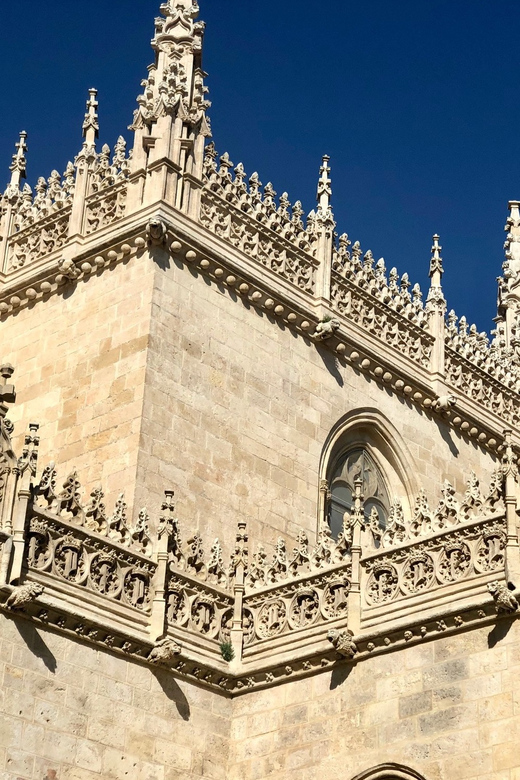
I think this is worth booking when you want clarity fast. The mix of Royal Chapel (Isabella and Ferdinand), Granada Cathedral (big Christian symbol), a quick cultural stop at Alcaicería, and a final tie-in at Plaza de Isabel La Catolica creates a complete arc in just 3 hours.
If you’re the type who asks questions and wants answers on the spot, a private guide pays off quickly. And if you’re photo-happy, remember the Royal Chapel restriction—so be ready to put your camera away for part of the visit.
If you’re only in Granada briefly and you don’t want to waste your precious hours on lines or aimless searching, book this and spend the rest of your time wandering the streets with a better sense of what you’re seeing.
FAQ
How long is the Granada private cathedral and Royal Chapel tour?
The tour lasts 3 hours.
What’s included in the ticket price?
Entrance tickets are included for Granada Cathedral and the Royal Chapel.
Is this tour private?
Yes. It’s listed as a private group, so you won’t be sharing the experience with strangers.
Where does the tour start?
You meet your guide at a pre-determined meeting place you select when booking. The guide picks you up at that meeting point, and the guide name is provided before the visit.
Are photos or videos allowed inside the Royal Chapel?
No. No photos or video recordings are allowed in the Royal Chapel. This restriction does not apply to the other monuments on the tour.
What languages are offered?
The live guide is available in Spanish, English, and Polish.
What should I bring?
Bring a passport or ID card.
Granada Cathedral & Royal Chapel, compared.
 ★ 4.8Cathedral and Royal Chapel Private tour with ticketFrom $170498 reviews
 ★ 4.4Cathedral, Royal Chapel & 5 Monuments Combo TicketFrom $42454 reviews
 ★ 4.83-Hour Cathedral and Royal Chapel TourFrom $45405 reviews
 ★ 4.5Cathedral of Granada Entry TicketFrom $11360 reviews
 ★ 4.8Cathedral & Royal Chapel Skip the Line TourFrom $42250 reviews
 ★ 4.4Royal Chapel of Granada Entry TicketFrom $1168 reviews
 ★ 5.0Royal Chapel and Granada Cathedral Guided TourFrom $4356 reviews
 ★ 4.8Cathedral and Royal Chapel Guided Tour with TicketsFrom $5023 reviews
Browse the lists this tour appears in