
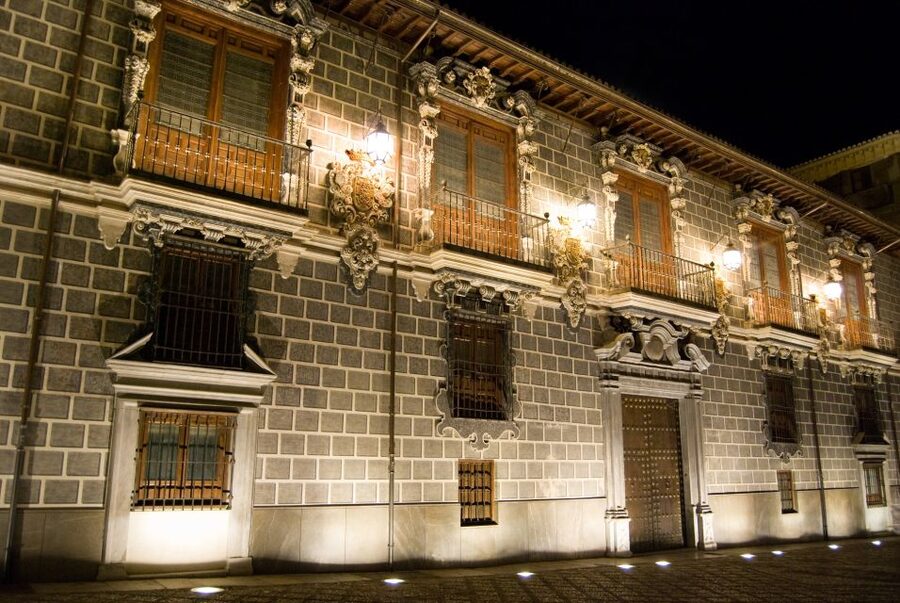
Reviewed · GRANADA CATHEDRAL & ROYAL CHAPEL
Granada: Cathedral and Royal Chapel Guided Tour with Tickets
If you like your history with architecture, start here. This small-group tour takes you into Granada Cathedral and the Royal Chapel, where the story of the Catholic Monarchs is written in stone, paint, and ceremony.
I especially like that you get official guides who walk you through the details you’d miss on your own, and you also get included entry tickets so you’re not hunting for timing.
One thing to plan for: the buildings and floors are not fully accessible, so if you need step-free movement, this probably isn’t your best option.
Why this tour feels different: you’re not just “seeing” monuments, you’re getting the connections—Renaissance vs. earlier Muslim Granada, and why this burial place mattered so much after the end of Islamic rule in the region. And yes, the meeting point is easy to find once you know the landmark.
In This Review
- Key things to know before you go
- Plaza Isabel la Católica: the simple start that keeps your day on track
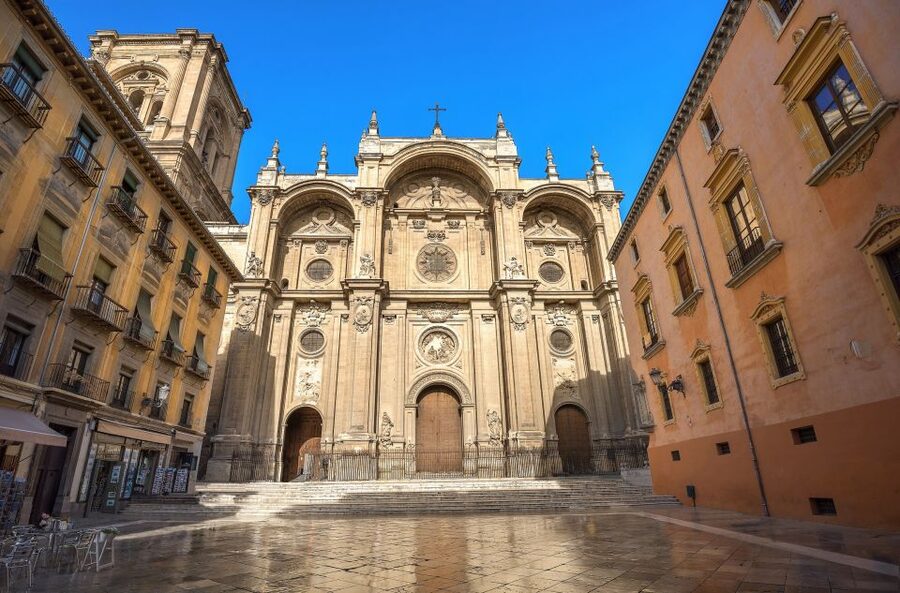
- Granada Cathedral: the first Renaissance church in Spain
- Calle Oficios and the Alcaicería: short stops that add real context
- Royal Chapel of Granada: where Isabel and Fernando are buried
- Photography rules inside the Royal Chapel
- Art details you’ll actually notice (if you know what to look for)
- Guides in the spotlight: what the tour does right (and where it can fall short)
- The one drawback to consider
- Timing and pacing: how the 1-day structure affects your visit
- Tickets included: $50 can be good value here
- Language options: pick the one you’ll actually understand
- Who should book this tour (and who should skip it)
- Should you book Granada Cathedral and Royal Chapel with tickets?
- FAQ
- Where is the meeting point?
- What time do I need to arrive?
- How long is the guided visit?
- What’s included in the price?
- Do I need to print anything?
- What languages are available?
- What should I bring?
- Is this tour accessible for reduced mobility?
- Are there any restrictions on what I can bring?
Key things to know before you go
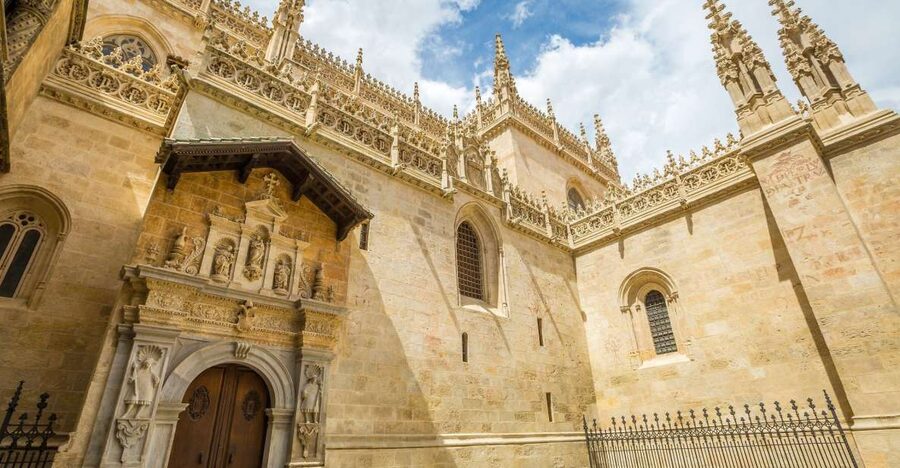
- Official tickets included for both Granada Cathedral and the Royal Chapel
- Small-group pacing with guided time in each main stop
- Choir stalls and major artworks are part of what your guide points out
- Calle Oficios and Alcaicería get quick, useful context between the big monuments
- Royal Chapel photo rules are strict once you’re inside
- Guides run in multiple languages (English, French, Spanish)
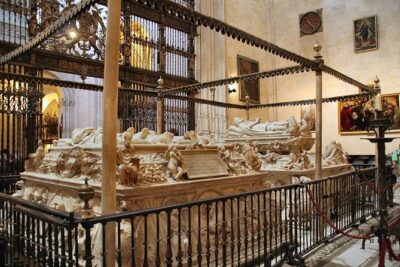
The Cathedral, the Royal Chapel and the tombs of the Catholic Kings
- Granada: Cathedral and Royal Chapel Private tour with ticket
★ 4.8 · 498 reviews - Granada: 3-Hour Cathedral and Royal Chapel Tour
★ 4.8 · 405 reviews - Granada: Cathedral of Granada Entry Ticket
★ 4.5 · 360 reviews - Granada: Cathedral & Royal Chapel Skip the Line Tour
★ 4.8 · 250 reviews
Plaza Isabel la Católica: the simple start that keeps your day on track
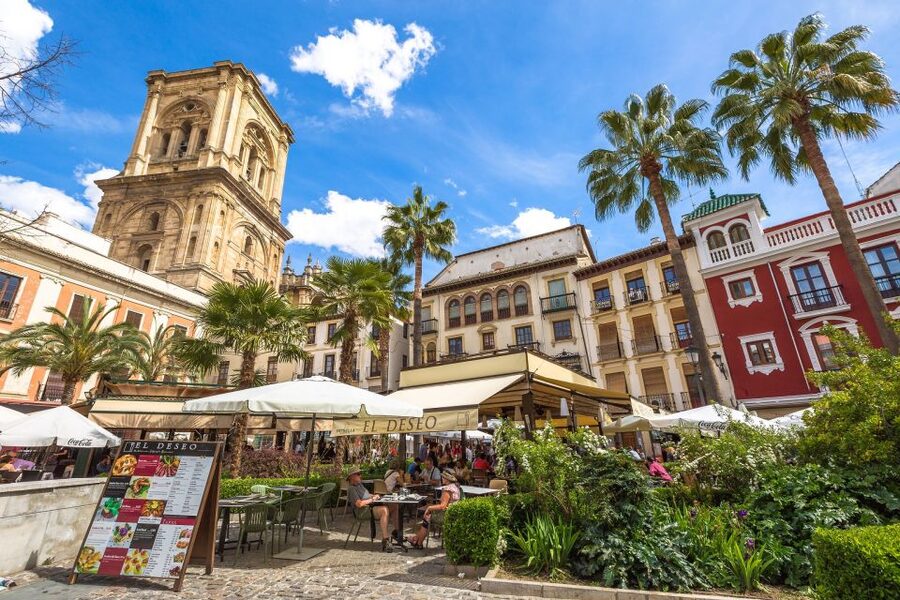
The tour meets at Plaza Isabel la Católica in Granada, behind the Monument of the Capitulations—the statue of Queen Isabella I and Christopher Columbus. It’s a good anchor point because it’s recognizable and central, and it helps you avoid that stressful “where exactly is the group?” moment.
You’ll want to be there 15 minutes early. If you’ve ever arrived late and had to guess which entrance to use, you know that extra time is money well spent—especially with a tight, ticketed schedule. Bring your passport or ID card, and plan to have your reservation document on your phone (no printing required).
The tour is designed for people who can manage walking and stairs in active historic sites. Also note what’s not allowed: no pets, and no luggage or large bags. Pack light so you don’t waste energy wrestling with storage or entry checks.
Granada Cathedral: the first Renaissance church in Spain
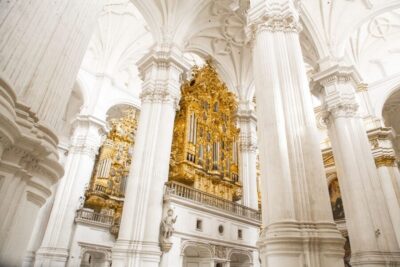
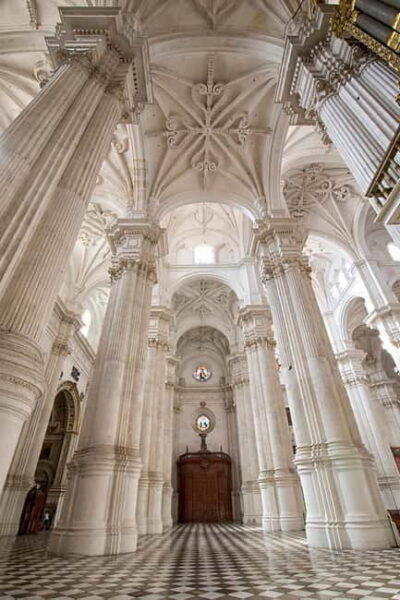
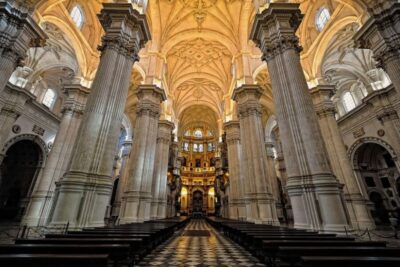
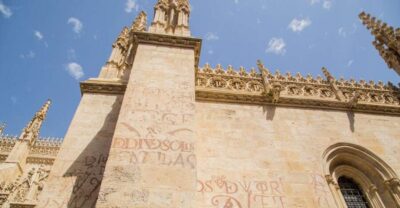
The day’s first major stop is Granada Cathedral, with guided time plus a walk. The big takeaway is that this church is the first Renaissance church in Spain, and it’s also listed as the second largest in the country—so it’s not a “quick peek and move on” building.
What I like about having a guide here is how fast the cathedral turns from big-and-bright to meaningful. You’ll learn what changed when Renaissance ideas reached Granada, and how that shift reads in the design choices. Your guide will also point out specific artistic and architectural features, including elements tied to the cathedral’s interior life, not just the exterior shell.
You’ll also get a guided look at a choir-stall set of Plateresque design—the kind of detail you could stare at for hours without knowing what you’re looking at. With explanations, it becomes easier to spot the style, understand the craftsmanship, and connect it to the broader Spanish Renaissance moment.
And if you’re visiting during busy religious weeks, plan for crowd energy. In one real tour session, the schedule still worked even with Holy Week crowds and masses, and the guide kept things organized and informative.
Practical note: cathedral interiors can be cooler than the street in summer, and often the lighting changes as you move. Wear shoes with grip, especially if the floor looks polished.
Calle Oficios and the Alcaicería: short stops that add real context
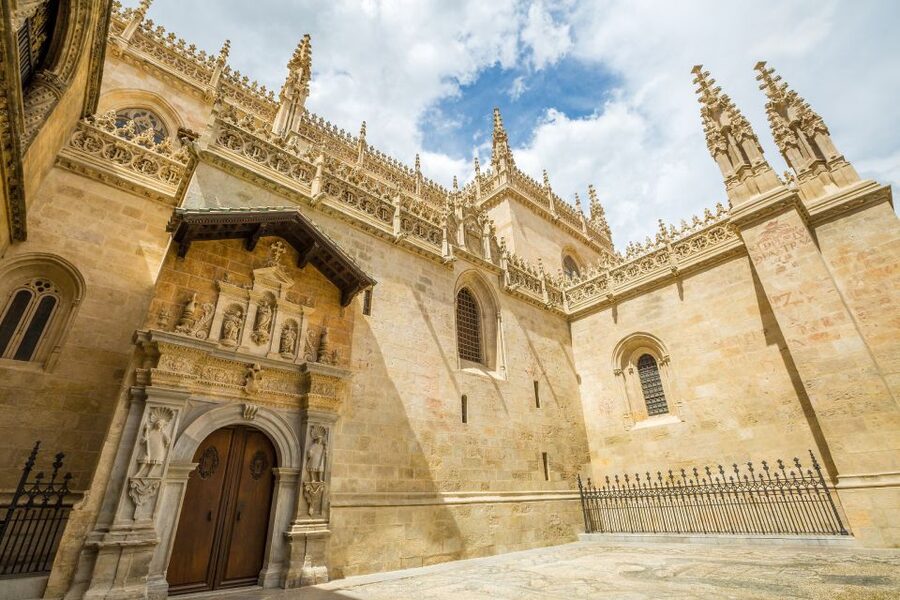
Between the two big monuments, the itinerary includes quick guided walks through Calle Oficios and the Alcaicería area. These aren’t the main headline attractions in the way the cathedral and Royal Chapel are, but they help you understand the city as more than a postcard.
Calle Oficios is the kind of street where you start to feel Granada’s layers—where daily life once happened around trade, craft, and neighborhood rhythms. With a guide’s short explanations, you get a map in your head: here’s how the city functioned, not just how it looked.
Then you pass into the Alcaicería zone. Even in a brief stop, it’s useful because it reinforces how the city’s identity shifted over time—especially the tour’s larger theme of how Granada changed after the Catholic Monarchs reshaped the political and religious landscape. One highlight from the tour description calls out a “new urban model differentiated from Muslim,” and these street-scale stops are where that concept becomes visible rather than abstract.
Because the time here is short, this is best for travelers who like a structured route. If you want to wander freely with zero schedule, you might feel the pressure of “quick looks” rather than full exploration.
Royal Chapel of Granada: where Isabel and Fernando are buried
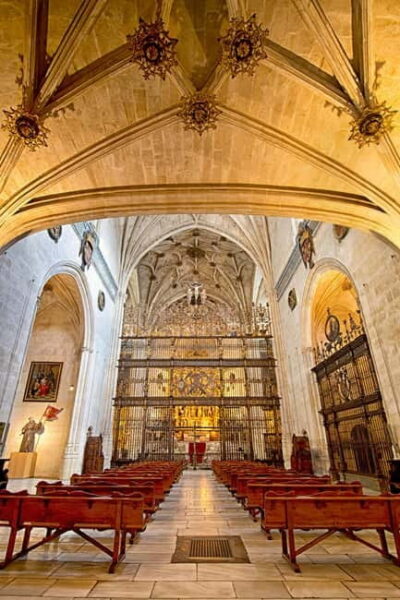
Next comes the heart of the story: the Royal Chapel of Granada, the burial place of Isabel and Fernando, the Catholic Monarchs. The tour frames why Granada was chosen—these rulers unified the kingdoms of the Iberian Peninsula and brought an end to the Islamic invasion, and their final resting place became a statement of power, faith, and new order.
What makes the Royal Chapel worth your attention is how ceremony and symbolism show up as architecture and art. This isn’t just a tomb you look at—it’s a space that carries a strict sense of reverence. In one session, the guide began here and clearly explained the key elements early, right when it matters most.
Photography rules inside the Royal Chapel
One major detail to know: photos are not allowed in the Royal Chapel. That’s not optional. Plan on experiencing it with your eyes and listening for the points your guide emphasizes—especially because guides often discuss meaning that doesn’t translate well from a quick glance.
If you’re the type who loves to document everything, this restriction is a good reminder: bring your attention, not your camera.
Art details you’ll actually notice (if you know what to look for)
One reason people book guided tours of religious monuments is simple: the art is there, but the context is not always obvious. This tour’s focus is the kind of interpretation that makes the time worth it.
You’ll hear about major treasures housed in the buildings, including artworks by well-known artists and specific interior design features like the Plateresque choir stalls. The point isn’t name-dropping; it’s that those details have patterns, styles, and purposes.
With a guide, you’re more likely to notice:
- how the architecture supports the religious function of the space
- how decorative choices relate to Spanish Renaissance identity
- how the Royal Chapel’s symbolism connects to the rulers’ story
Even if you’re not a “museum person,” this is the kind of art tour where the guide’s explanations can turn a 30-second look into a 10-minute understanding.
Guides in the spotlight: what the tour does right (and where it can fall short)
A guided tour lives or dies on the guide. This one tends to score high because the explanations are structured and delivered with energy.
For example, a guide named Christian stands out for being both enthusiastic and prepared. In his approach, you get enough time to look, then he walks you through highlights and also the little-known facts—the kind that make you feel like you learned something even after the obvious big views.
Another guide, Sara, also received praise, especially for making the visit feel well organized and engaging. That matters because Granada Cathedral and the Royal Chapel can feel overwhelming if you’re moving fast and trying to read everything yourself.
The one drawback to consider
There is at least one downside worth taking seriously: one guide’s clothing drew negative attention because it didn’t fit a sacred-space setting, and in that same experience the guide appeared tightly tied to a prepared script, making it harder to answer questions that fell outside it.
That doesn’t mean every guide will be the same, but it does mean you should:
- dress respectfully for religious spaces
- bring your questions, but expect that the tour is a planned narrative
If you’re someone who expects a free-form Q&A, consider that this format is more guided and structured than open-ended.
Timing and pacing: how the 1-day structure affects your visit
This experience is billed as a 1-day option, with a visit described around 1 hour and 15 minutes. Meanwhile, the actual walking schedule lists guided time at the cathedral and Royal Chapel plus short street segments.
So what does that mean for you? It means the itinerary is tight and focused. You’ll spend significant time inside the big monuments, and the street stops are meant to connect the dots rather than let you roam for hours.
This is ideal if you want a productive day without having to plan. It’s less ideal if you prefer slow, long stops with no schedule pressure.
Also, expect a normal Granada reality: church spaces can be busy, and if you’re there during major religious events, you’ll feel the crowds. The good news is the tour approach is built for it—guided time still happens, and you get explanations rather than just standing in a line.
Tickets included: $50 can be good value here
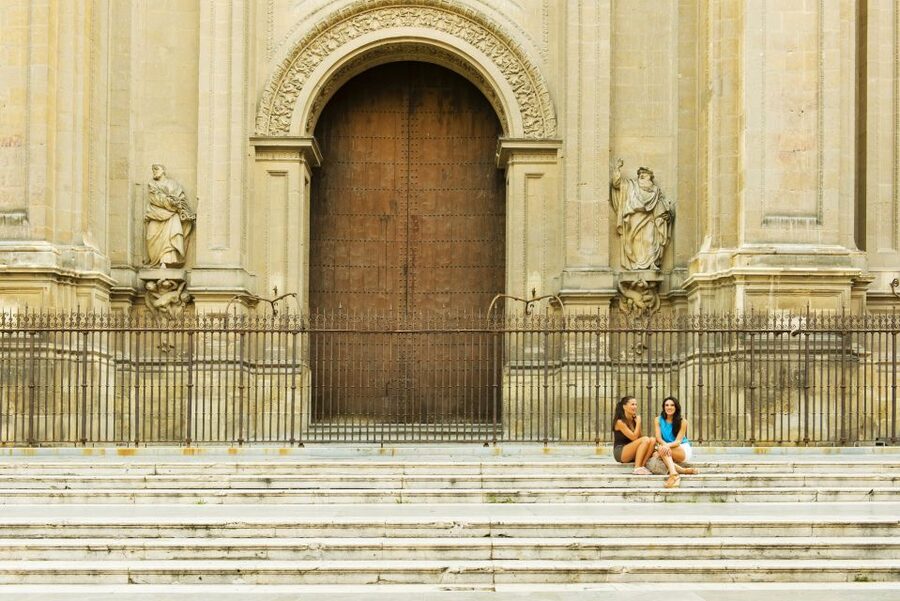
At $50 per person, this is not a budget “see the view” activity. But for what you get—official guide + cathedral ticket + Royal Chapel ticket—the value is more convincing than it sounds at first.
Here’s why: in places like this, ticket lines and timed entry can eat up your day. Having tickets handled lets you focus on what matters: understanding what you’re looking at. The price also supports a guided experience in multiple languages, which is a big quality-of-life factor if your Spanish is rusty.
If you compare this to doing it alone, the main trade is simple: you pay for time-saving and context. If you’re the type who enjoys learning as you look, you’ll feel the payoff. If you’re mainly after architecture photography and quick viewing, you may find the guided narration less necessary.
Language options: pick the one you’ll actually understand
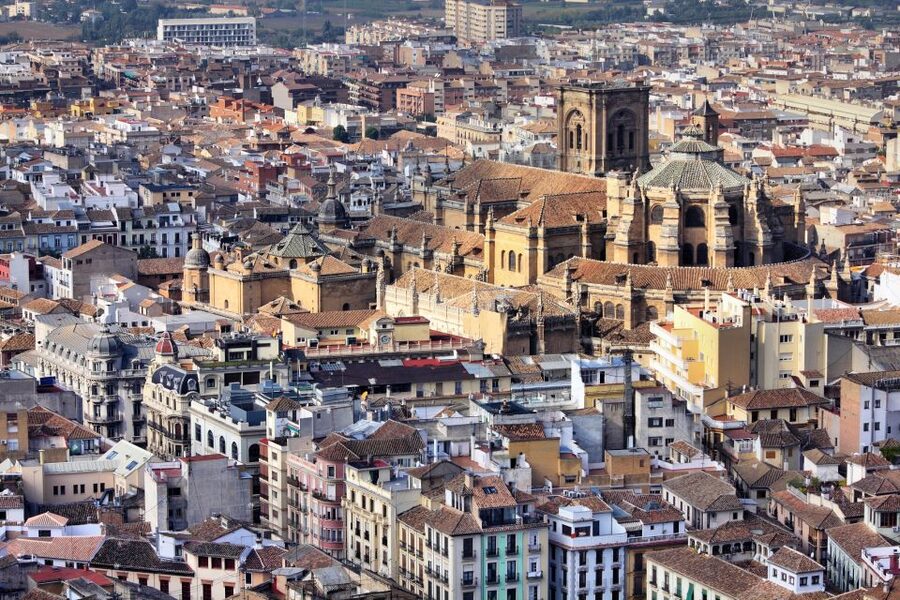
The tour offers live guiding in English, French, or Spanish. This matters more than you might think. Religious monuments are loaded with meaning, and the guide’s explanations are what make the trip click—especially when photography is restricted.
If your Spanish is conversational but not strong, choose English or French. Don’t gamble on “I’ll catch most of it.” You’ll get more from the tour if you can follow the details without translating in your head every sentence.
Who should book this tour (and who should skip it)
This tour is a strong fit if you:
- want a guided, structured introduction to Granada Cathedral and the Royal Chapel
- like art and architecture when someone puts it into context
- want included entry tickets so you can keep your day moving
- prefer a small group experience rather than a huge crowd
You should probably skip it or look for another option if you have mobility limitations. The tour specifically says it is not suitable for people with reduced mobility, because the layout and floor are not fully enabled.
Also, if you travel with pets or bulky luggage, this tour won’t work as-is due to the restrictions on what you can bring.
Should you book Granada Cathedral and Royal Chapel with tickets?
I’d book this tour if you want the two biggest Granada monuments handled properly: guided context, included tickets, and a route that connects Renaissance architecture with the political and religious meaning of the Catholic Monarchs’ burial site.
I would hesitate if you need full accessibility support, dislike structured itineraries, or expect very free-form Q&A. And because the Royal Chapel has strict photo rules, make sure you’re okay with experiencing it without visual documentation.
If your goal is understanding—rather than just collecting photos—this is a high-value way to see Granada’s Cathedral and Royal Chapel in one focused pass.
FAQ
Where is the meeting point?
The meeting point is Isabel la Católica Square (18009 Granada), behind the Monument of the Capitulations (the statue of Queen Isabella I and Christopher Columbus).
What time do I need to arrive?
You must arrive 15 minutes before the visit time at the meeting point.
How long is the guided visit?
The tour is described as a visit of about 1 hour and 15 minutes, with time in both the cathedral and the Royal Chapel plus short guided walks between stops.
What’s included in the price?
The price includes an official guide plus tickets for the Granada Cathedral and the Royal Chapel.
Do I need to print anything?
No. You need to carry your reservation document on your mobile; printing is not required.
What languages are available?
The live guide is available in French, English, and Spanish.
What should I bring?
Bring your passport or ID card.
Is this tour accessible for reduced mobility?
No. The tour is not suitable for people with reduced mobility, as the layout and floor are not fully enabled.
Are there any restrictions on what I can bring?
Pets are not allowed, and luggage or large bags are not allowed.
The Cathedral and the Catholic Kings
- Granada: Cathedral and Royal Chapel Private tour with ticket
★ 4.8 · 498 reviews - Granada: Cathedral, Royal Chapel & 5 Monuments Combo Ticket
★ 4.4 · 454 reviews - Granada: 3-Hour Cathedral and Royal Chapel Tour
★ 4.8 · 405 reviews - Granada: Cathedral of Granada Entry Ticket
★ 4.5 · 360 reviews - Granada: Cathedral & Royal Chapel Skip the Line Tour
★ 4.8 · 250 reviews
Just added to our Granada notebook
- Antequera and Torcal from Granada in a small group up to 7 people★ 4.5 · 3 reviews
- Granada: Alhambra tickets and other attractions★ 5.0 · 3 reviews
- Alhambra and Albaycin Private Tour★ 3.5 · 3 reviews
- Alhambra and Albaicin Private Tour with official Guide★ 3.5 · 3 reviews
- Cathedral and Royal Chapel Premium tour★ 4.5 · 3 reviews
Granada Cathedral & Royal Chapel, compared.
 ★ 4.8Cathedral and Royal Chapel Private tour with ticketFrom $170498 reviews
 ★ 4.4Cathedral, Royal Chapel & 5 Monuments Combo TicketFrom $42454 reviews
 ★ 4.83-Hour Cathedral and Royal Chapel TourFrom $45405 reviews
 ★ 4.5Cathedral of Granada Entry TicketFrom $11360 reviews
 ★ 4.8Cathedral & Royal Chapel Skip the Line TourFrom $42250 reviews
 ★ 4.4Royal Chapel of Granada Entry TicketFrom $1168 reviews
 ★ 5.0Royal Chapel and Granada Cathedral Guided TourFrom $4356 reviews
 ★ 4.4Royal Chapel and Historical Center Walking TourFrom $3121 reviews
Browse the lists this tour appears in