
Reviewed · MONASTERIES & SACRED SITES
Granada: Monastery of La Cartuja Entry Ticket
Quiet Baroque art in a working-monastery vibe. At Monastery of La Cartuja in Granada, you walk through centuries of religious art and architecture, starting with a Plateresque doorway by Juan García de Pradas and ending in hushed courtyard calm. I love how the monastery layout keeps you moving but still feels peaceful, especially once you’re inside the courtyards.
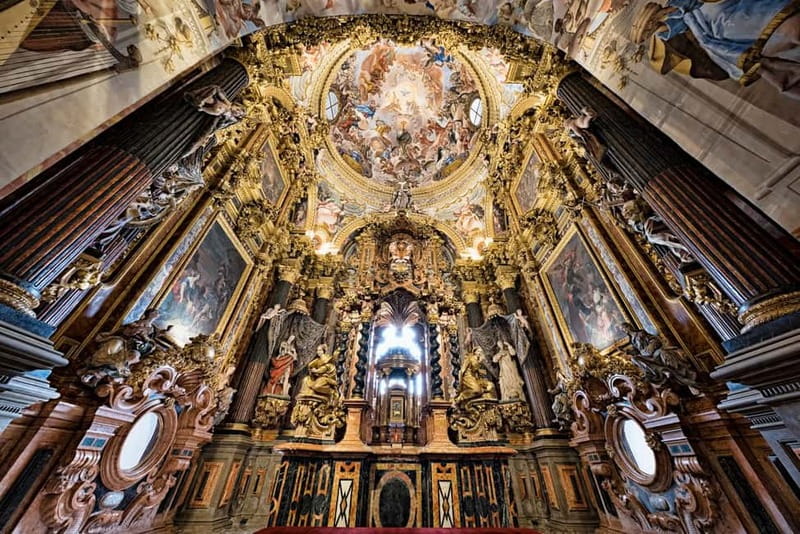
My favorite part is the art itself, because it comes with clear names and details: you’ll see altarpieces by Sánchez Cotán, plus the Sancta Sanctorum created by Francisco Hurtado with frescoes by Antonio Palomino. The church spaces also feel crafted for visual impact, from the Ionic-column neoclassical doorway (with St. Bruno) to the gilded altar-baldachin and elliptical vault.
One drawback to plan around: the visit is not suitable for wheelchair users, so if mobility is a concern, you’ll need an alternate plan in Granada.
In This Review
- Key highlights worth planning for
- Entering La Cartuja through a Plateresque doorway
- The church front: Ionic columns and St. Bruno’s doorway
- Inside the church: altarpieces by Sánchez Cotán
- The presbytery’s elliptical vault and gilded altar-baldachin
- Sancta Sanctorum: Francisco Hurtado and Antonio Palomino’s Church Militant
- Sacristy, refectory, and chapter house: seeing monastic life through art
- Courtyards and the exit through history
- Price and value: is the $11 ticket worth it?
- Practical tips so your visit goes smoothly
- Who this ticket is best for
- Should you book the Monastery of La Cartuja ticket?
- FAQ
- How much is the entry ticket?
- How long is the experience?
- What’s included with the ticket?
- Are there restrictions on photography or phones?
- Is the monastery wheelchair accessible?
- Is the ticket refundable if my plans change?
Key highlights worth planning for
- Plateresque entrance by Juan García de Pradas sets the tone before you even reach the church
- Sánchez Cotán altarpieces including Baptism of Christ and Rest in the Flight into Egypt
- Sancta Sanctorum by Francisco Hurtado with frescoes by Antonio Palomino
- Neoclassical church doorway featuring Ionic columns and an image of St. Bruno
- Monastic rooms with real-world context: sacristy, refectory, and chapter house
- A quiet courtyard finish that makes the whole visit feel slow and reflective
Granada's monasteries and sacred corners, off the main trail
- Granada: Sacromonte Abbey Entry Ticket with Audio Guide
★ 4.2 · 50 reviews - Granada: Monastery of La Cartuja Entry Ticket
★ 4.7 · 25 reviews - Granada: Monastery of San Jerónimo Entry Ticket
★ 4.1 · 21 reviews - Granada: Church of San Nicolas and Tower Access Ticket
★ 4.7 · 3 reviews
Entering La Cartuja through a Plateresque doorway
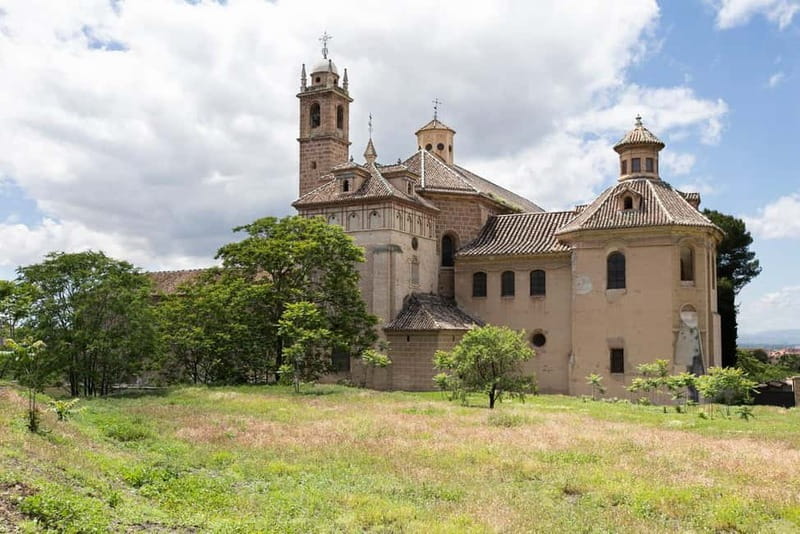
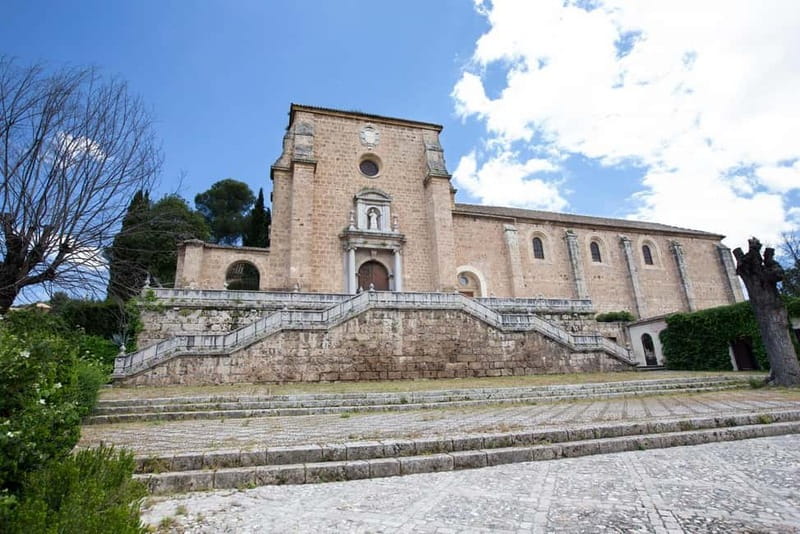
This ticket is a focused, one-day way to experience one of Granada’s most art-heavy religious stops. You enter through the Plateresque doorway crafted by Juan García de Pradas, and right away you get a hint of what the monastery does best: it mixes ornate design with spiritual calm.
The monastery itself traces back to its founding in 1516, and what you’ll see reflects three centuries of architectural evolution. That matters because you’re not just looking at one “style.” You’re watching different eras of Granada’s religious art ideas take shape in stone.
The church front: Ionic columns and St. Bruno’s doorway
After the entrance, you’ll reach the church’s neoclassical doorway, designed with Ionic columns. It also includes an image of St. Bruno, which is a great way to orient yourself: this isn’t random decoration, it’s part of the monastery’s identity and spiritual focus.
If you like religious architecture, take a moment here just to study the transition. The doorway acts like a reset button between the “outside world” feeling and the main visual program inside.
Inside the church: altarpieces by Sánchez Cotán
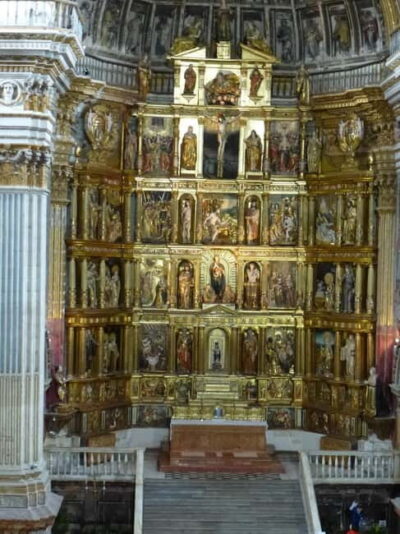
Once you’re in, the centerpieces are the altarpieces by Sánchez Cotán. The visit highlights works including Rest in the Flight into Egypt and Baptism of Christ. Even if you aren’t an art specialist, these titles help you follow what you’re seeing, because they anchor the scenes in Christian narrative you can recognize.
These aren’t flat, quick sightseeing stops. The monastery is designed so you can linger at key points and let the art and space do their job. You’ll probably notice how your attention gets pulled toward the main altar area and then back out toward surrounding details.
The presbytery’s elliptical vault and gilded altar-baldachin
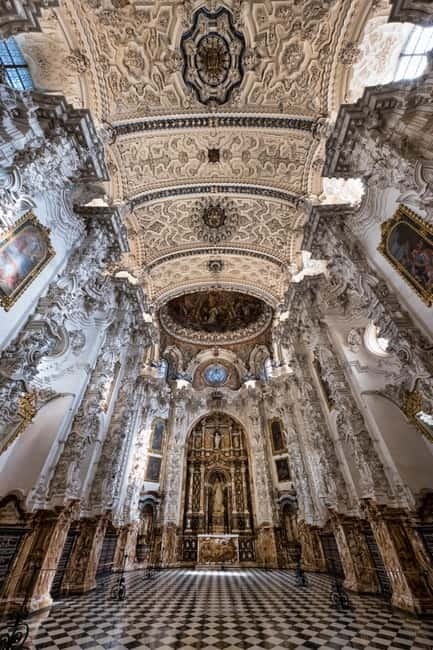
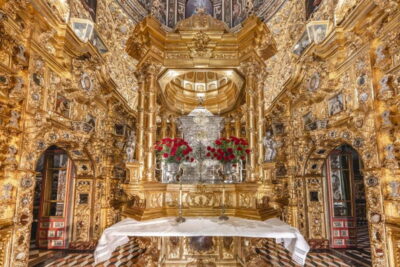
Next comes a space with a very specific visual effect: the elliptical vault of the presbytery and the gilded altar-baldachin. The point isn’t just that it looks impressive. It’s that the architecture and the decoration work together, creating a focused “stage” for sacred space.
If you’re someone who tends to speed through churches, slow down here. This is where the monastery shows you how Baroque-era thinking about sightlines and atmosphere can make a room feel more intentional than grand.
Sancta Sanctorum: Francisco Hurtado and Antonio Palomino’s Church Militant
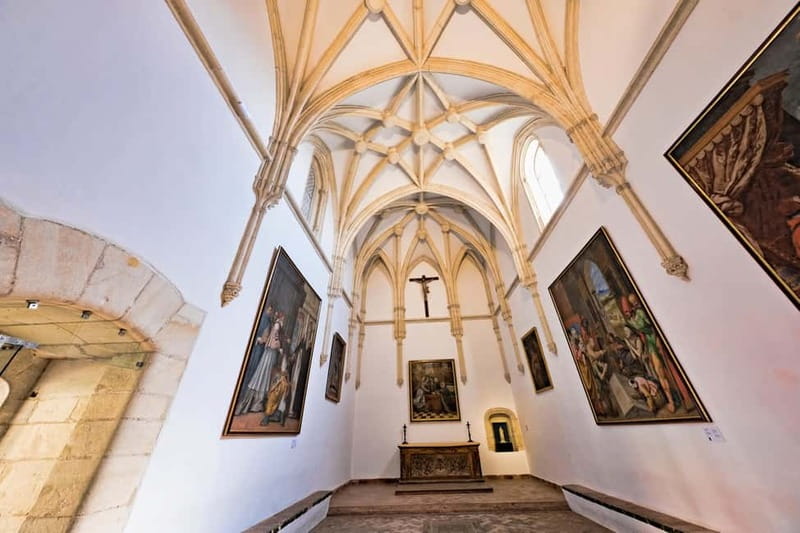
One of the most memorable stops is the Sancta Sanctorum, created by Francisco Hurtado. This is where the monastery’s art program gets especially dramatic, because you’ll see frescoes by Antonio Palomino depicting the triumph of the Church Militant.
What I like about this section is the clarity of the concept. You’re not just looking at religious imagery—you’re seeing a declared theme. That theme helps you interpret what you’re seeing instead of treating it like background ornament.
If you’re short on time, this is a “don’t skim” room. Give it your full attention for a few extra minutes. The rest of the monastery moves at a quieter pace, but this is the moment where the visuals turn louder.
Sacristy, refectory, and chapter house: seeing monastic life through art
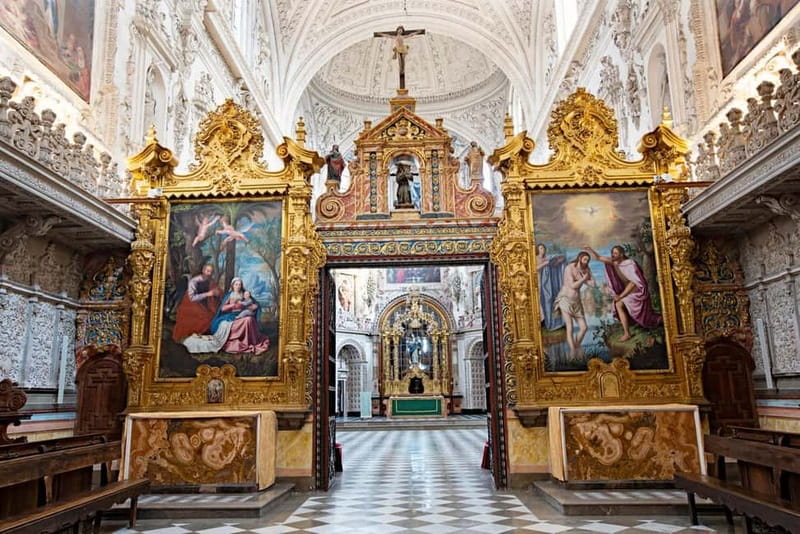
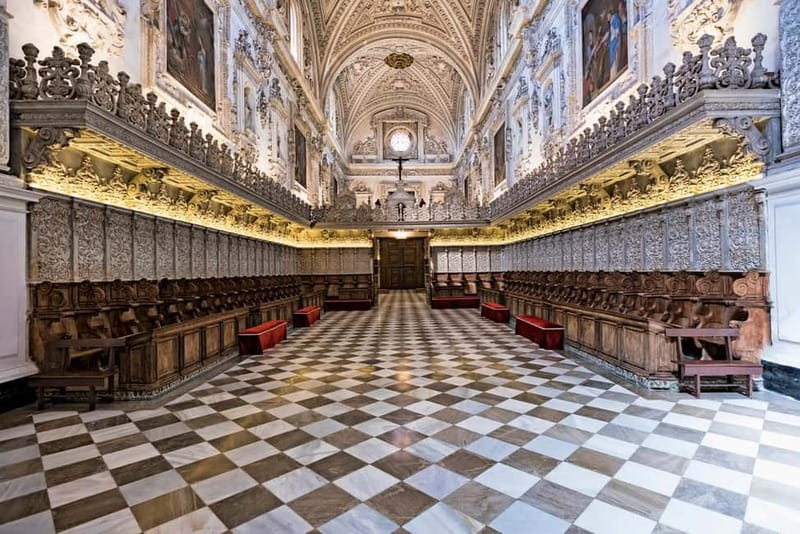
After the big art moments, the monastery shifts into explanation mode—without becoming boring. The sacristy, refectory, and chapter house each offer unique insights into the lives of the Carthusian monks.
Here, the art matters because it gives atmosphere to everyday religious functions. The sacristy is tied to preparing for worship, the refectory relates to communal meals, and the chapter house connects to how the community gathers and organizes itself. You’re not just sightseeing rooms. You’re reading them as parts of a daily rhythm.
You’ll also encounter artworks by Vicente Carducho and Sánchez Cotán in these spaces. That pairing is useful: it helps you see how different artists contributed to the monastery’s visual identity across rooms, not only in the church proper.
Courtyards and the exit through history
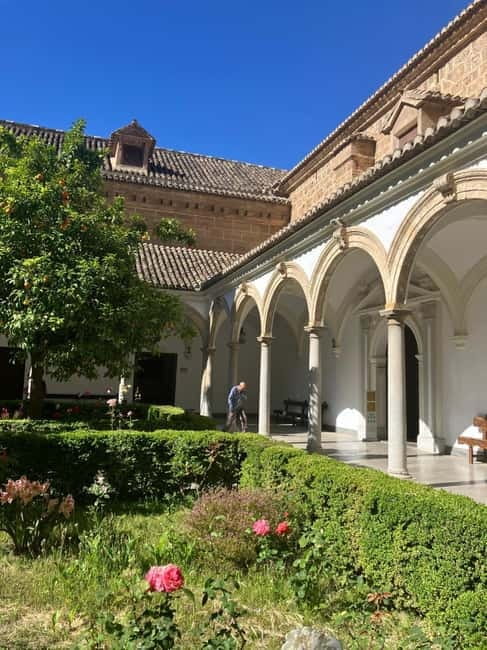
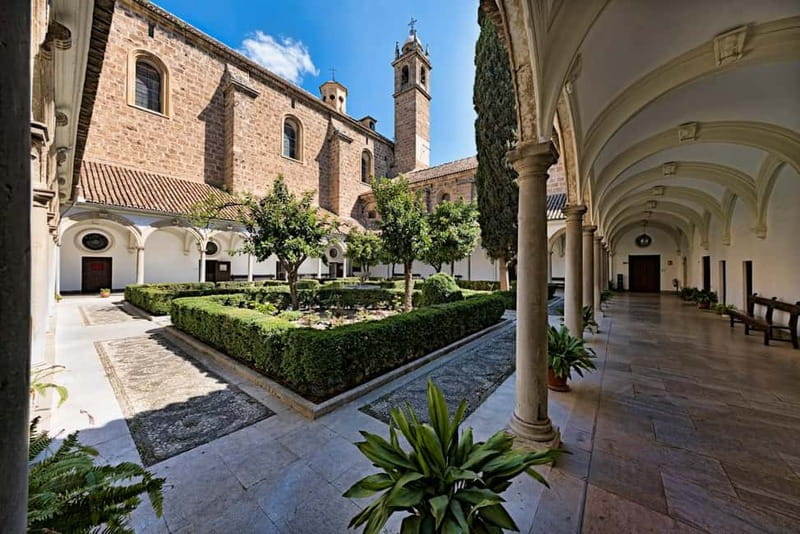
The visit closes with a return to quiet. You’ll reflect in the tranquil courtyard before exiting through the same historic doorway you entered through.
This courtyard moment is more than a pleasant pause. It changes how you feel after the art-heavy interiors. It helps your brain reset from “look at masterpieces” mode into “actually breathe” mode, which is exactly what these kinds of monasteries are good at.
Price and value: is the $11 ticket worth it?
At about $11 per person, this ticket is strong value if you care about art and architecture more than crowds and quick photo stops. You get entry to the monastery plus an audio guide app on your smartphone, which is a big deal when the spaces include specific works and named artists.
It also helps that the experience is built around a coherent route: entrance doorway → church and altarpieces → presbytery effects → Sancta Sanctorum → monastic rooms → courtyard. You’re not buying into a random shuffle; you’re buying into a designed sequence.
That said, it’s a ticket type you should treat seriously because it’s non-refundable. If you’re the type to switch plans last minute, double-check your timing before you lock anything in.
Practical tips so your visit goes smoothly
A few rules can trip people up if you ignore them:
- No flash photography
- No smoking
- No pets (assistance dogs allowed)
- Cellphones are listed as not allowed
That last one matters because the audio guide is provided via a smartphone app. The safest approach is to use your phone only for the audio and follow whatever on-site staff instructions you’re given. Bring your phone charged, and keep your focus on the rooms rather than constant screen time.
Also, this visit isn’t set up for wheelchair users, so if your group includes someone with mobility needs, plan accordingly.
Finally, the ticket is valid for 1 day, and starting times depend on availability—so you’ll want to check the schedule ahead of time instead of assuming you can roll in anytime.
Who this ticket is best for
This is ideal for you if:
- You love Baroque and religious art that names artists and specific works
- You want a quiet, self-paced feeling inside a major Granada landmark
- You enjoy architecture as much as paintings and sculpture
You might not love it as much if:
- You need full wheelchair accessibility
- You rely heavily on cellphones for everything during a visit
- You’re hoping for a guided tour style explanation in real time (a personal guide isn’t included)
Should you book the Monastery of La Cartuja ticket?
Book it if you want a high-value art-and-architecture hour (or more) in Granada’s calmer side, with Sánchez Cotán and Palomino-style masterworks in clear sightlines. The $11 price is fair for what you get: entry to a landmark monastery plus an audio guide app that helps you connect rooms to specific artwork.
Skip or reconsider if accessibility is a must for your group, or if you’re likely to need constant phone access or on-demand flexibility. If those aren’t issues, this ticket is a smart, rewarding way to experience Granada beyond the big city buzz.
FAQ
How much is the entry ticket?
The price is listed as $11 per person.
How long is the experience?
It’s valid for 1 day. You’ll also need to check available starting times.
What’s included with the ticket?
You get entry to the Monastery of La Cartuja of Granada, an audio guide app on your smartphone, and a booking fee.
Are there restrictions on photography or phones?
Yes. Flash photography is not allowed, and cellphones are listed as not allowed. Smoking and pets (except assistance dogs) are also not allowed.
Is the monastery wheelchair accessible?
No. It’s listed as not suitable for wheelchair users.
Is the ticket refundable if my plans change?
No. The activity is non-refundable.
Granada's Monasteries and Quiet Corners
- Granada: Basilica of San Juan de Dios Ticket & Audio Guide
★ 4.6 · 336 reviews - Granada: Sacromonte Abbey Entry Ticket with Audio Guide
★ 4.2 · 50 reviews - Granada: Monastery of San Jerónimo Entry Ticket
★ 4.1 · 21 reviews - Granada: Church of San Nicolas and Tower Access Ticket
★ 4.7 · 3 reviews
Just added to our Granada notebook
- Antequera and Torcal from Granada in a small group up to 7 people★ 4.5 · 3 reviews
- Granada: Alhambra tickets and other attractions★ 5.0 · 3 reviews
- Alhambra and Albaycin Private Tour★ 3.5 · 3 reviews
- Alhambra and Albaicin Private Tour with official Guide★ 3.5 · 3 reviews
- Cathedral and Royal Chapel Premium tour★ 4.5 · 3 reviews
Monasteries & Sacred Sites, compared.
 ★ 4.6Basilica of San Juan de Dios Ticket & Audio GuideFrom $11336 reviews
 ★ 4.2Sacromonte Abbey Entry Ticket with Audio GuideFrom $850 reviews
 ★ 4.1Monastery of San Jerónimo Entry TicketFrom $1121 reviews
 ★ 4.7Church of San Nicolas and Tower Access TicketFrom $53 reviews
Browse the lists this tour appears in