
Reviewed · MONASTERIES & SACRED SITES
Granada: Monastery of San Jerónimo Entry Ticket
A monastery visit feels like time travel. The Monastery of San Jerónimo in Granada turns you from city noise into stillness, starting in the Compass transition area.
I especially love the way the ticket route strings together everyday monastic spaces with big, serious art, so it feels lived-in rather than just sightseeing.
One thing to weigh: the rules are strict (including no cellphones), and online booking can add cost via a booking fee.
In This Review
- Key points before you go
- First You Pass the Compass: From City Noise to Monastery Quiet
- Processional Cloister and Gothic Daily Life
- Refectory and the Profundis Room: Meals and Memory
- Chapter Rooms and the Sacristy: The Great Captain’s Image
- Church of the Immaculate Conception: Diego de Siloé’s Facade and Artworks
- Empress Cloister: A Courtyard You Can See, Not Enter
- Value and Logistics for a $11 Ticket in Granada
- A Quick History Lesson That Makes the Rooms Make Sense
- Who This Monastery Visit Fits Best
- Should You Book This Entry Ticket?
Key points before you go
- Compass entrance sets the mood fast, moving you from bustle to quiet.
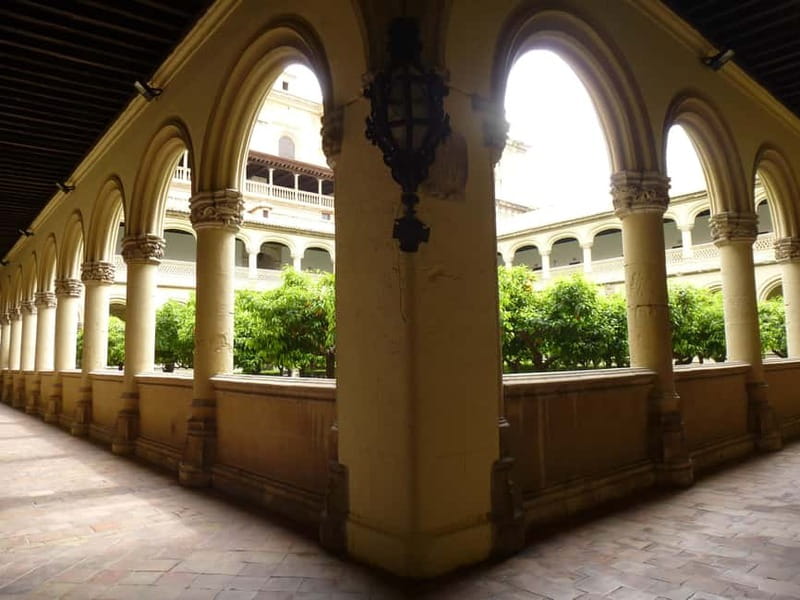
- The Processional Cloister shows Gothic architecture tied to how monks actually moved through their day.
- Don’t miss the Profundis room and refectory areas, which help you picture monastic routines.
- The Church of the Immaculate Conception is the main payoff, linked to Diego de Siloé’s work.
- The Empress Cloister is described but not included in the accessible circuit.
Granada's monasteries and sacred corners, off the main trail
- Granada: Sacromonte Abbey Entry Ticket with Audio Guide
★ 4.2 · 50 reviews - Granada: Monastery of La Cartuja Entry Ticket
★ 4.7 · 25 reviews - Granada: Monastery of San Jerónimo Entry Ticket
★ 4.1 · 21 reviews - Granada: Church of San Nicolas and Tower Access Ticket
★ 4.7 · 3 reviews
First You Pass the Compass: From City Noise to Monastery Quiet
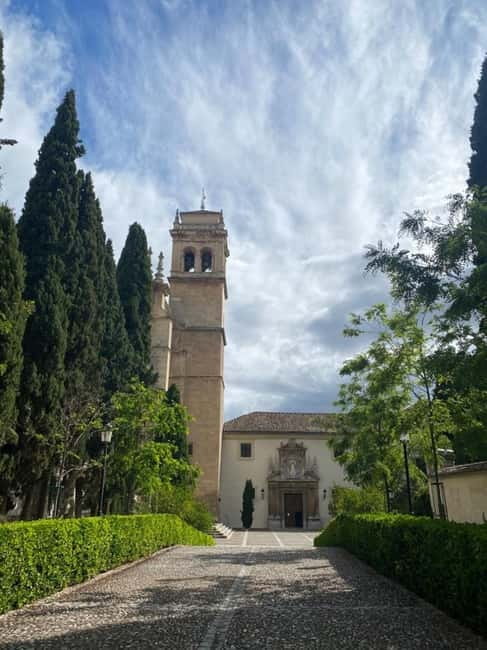
The visit starts in a place that’s more than an entry hall. The Compass is designed as a buffer between Granada’s street world and the monastery’s silence. That small architectural idea matters because the whole site is about rhythm: you slow down, and the buildings do the rest.
You’ll also get your first taste of why this monastery has such a strong visual identity. It’s not just a church plopped into a complex. The church façade is a key theme right from the start, credited to major artists including Diego de Siloé, Martín Díaz de Navarrete, and Pedro de Orea. Even before you reach the church interior, you’re being guided toward the most iconic views.
The practical takeaway: plan for a calm pace. This is a place where lingering is part of the experience. If you rush, you miss the way the route teaches your eye what to notice.
Processional Cloister and Gothic Daily Life
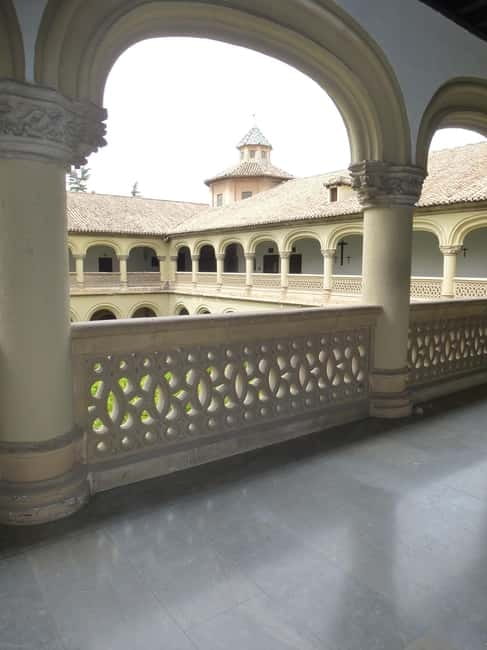
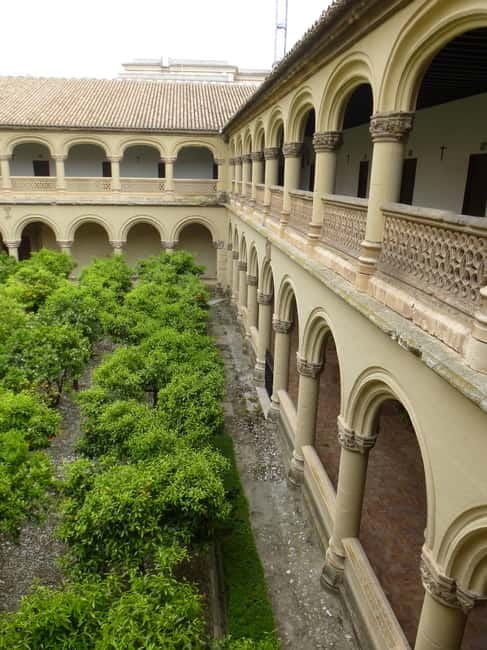
Next comes the Processional Cloister, the Gothic core of the monastery’s life. This is the area where the monks spent a lot of their time, and it shows you the logic of the complex. Think of it as a hub: movement and routine were built into the architecture.
What I like about this stop is how it makes the monastery feel functional. You’re not only looking at beauty; you’re watching how the space organizes movement. Cloisters are built for walking, pausing, and returning—so when you’re standing in the right place, the architecture starts to explain itself.
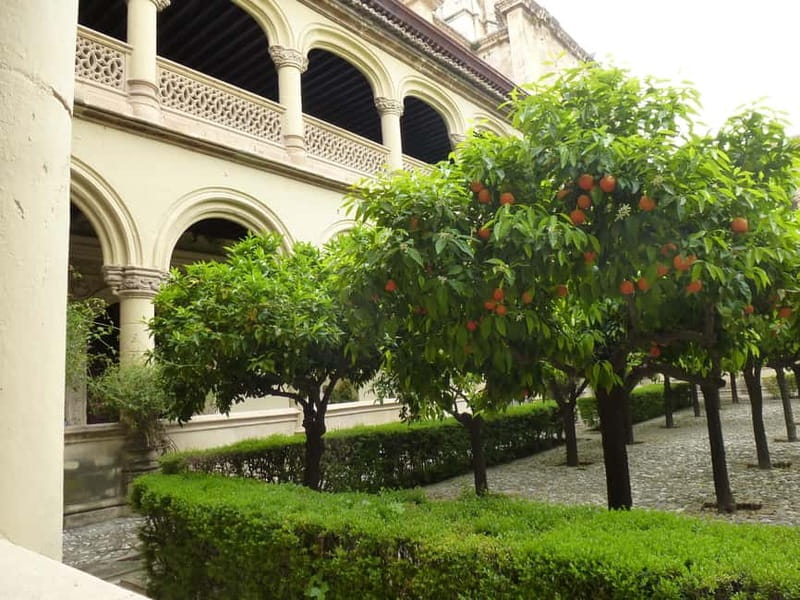
From here, you can see the Empress Cloister in the distance, even though you cannot enter it as part of the standard visitor circuit. You’ll be pointing your eyes toward a courtyard connected to history and power, which gives the main cloister more context.
A small note on expectations: this is a monastery that still matters to a religious community. In other words, it isn’t a theme park. Keep your voice down, take your time, and treat the spaces respectfully.
Refectory and the Profundis Room: Meals and Memory
After the main cloister, the route shifts into more intimate, behind-the-scenes monastic areas like the refectory and the profundis room. These rooms help you understand the monastery as a lived routine, not only a big church.
The refectory is where communal meals happened, so it’s the natural place to picture daily life: tables, rhythm, conversation—or the lack of it. The profundis room is tied to reflection and remembrance, giving the site a more emotional, spiritual layer. Together, these spaces balance the more public-feeling views you get from cloisters and the church.
If you love travel that connects architecture to human behavior, this part of the visit is where you’ll feel it. You’re learning the monastery’s schedule through the layout itself. It’s also a nice break if you’ve been doing nonstop Alhambra-style stops all day—this is slower, quieter, and more tactile.
One consideration: there’s a no-food-and-drinks rule. So plan to have something before you arrive, and keep a water bottle outside your visit needs since the rules explicitly ban food and drinks inside the monitored areas.
Chapter Rooms and the Sacristy: The Great Captain’s Image
The ticket circuit continues through two chapter rooms and the sacristy, moving you into spaces where decisions, governance, and sacred objects belonged. Chapter rooms are where community matters were addressed, so even without a guide, the layout helps you imagine the monastery functioning like a small, organized world.
Then comes the sacristy, which is a standout because it’s linked to an image: the Child Jesus of the Battles. The image is described as the one that accompanied the Great Captain in his multiple and victorious war enterprises. That’s not the kind of detail you typically find in a standard church visit, and it adds a surprising dimension to the story—devotion tangled with historical power.
If you’re the type who enjoys art and iconography, this stop is worth your attention even if you’re not a hardcore art historian. Small objects and named images can make a big building feel specific.
Church of the Immaculate Conception: Diego de Siloé’s Facade and Artworks
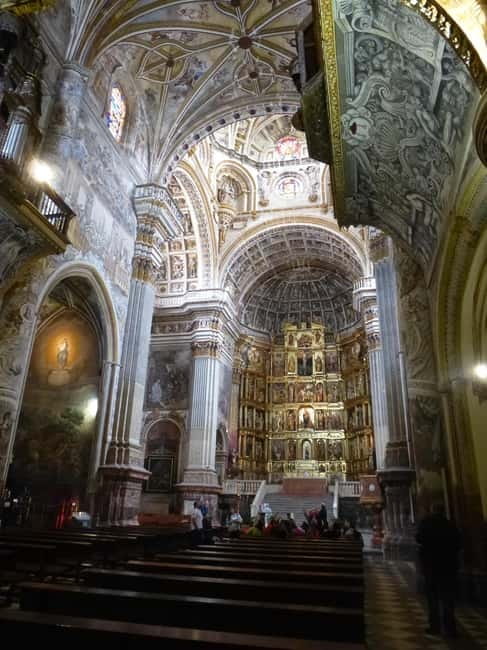
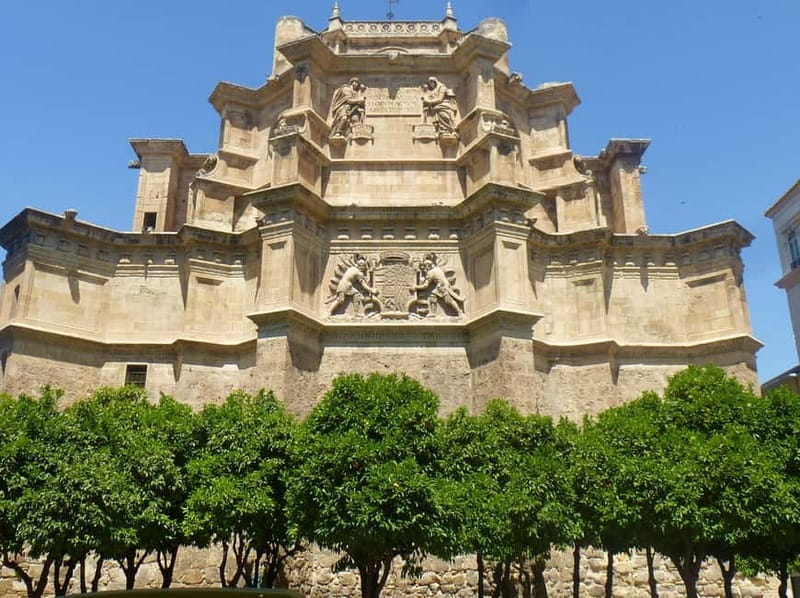
The Church of the Monastery, dedicated to the Immaculate Conception, is the big climax. And it starts with the outside impression: the church façade is credited to artists including Diego de Siloé, Martín Díaz de Navarrete, and Pedro de Orea. Even before you’re inside, the façade has enough presence that you’ll understand why it’s singled out.
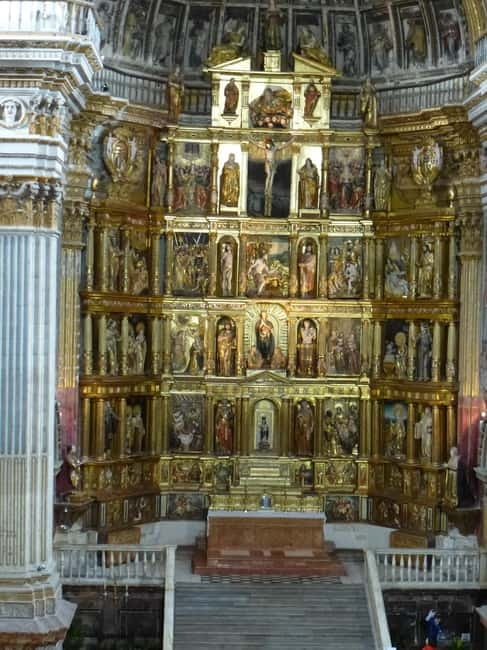
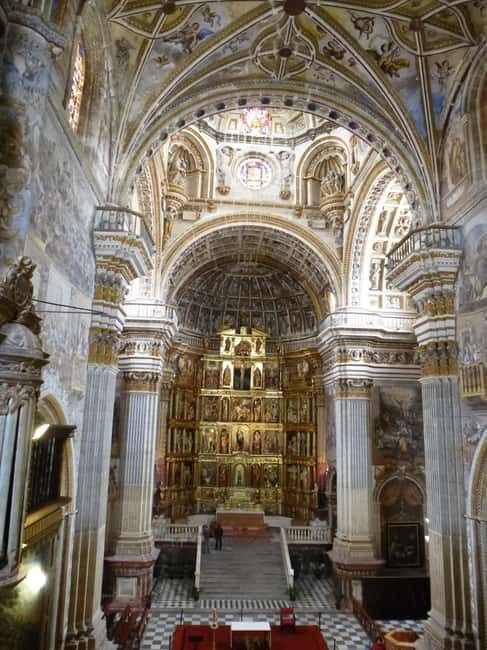
Inside, you’ll find the kind of art and chapel design that rewards patience. The main chapel is Renaissance-style and built by Doña María de Manrique, Duchess of Sessa, intended as the pantheon of her husband, the Great Captain. It was built by Diego de Siloé, following lines proposed by Jacobo Florentino. In plain terms: the space connects patronage, design influence, and major names of the period into one room.
You’ll also see a mannerist altarpiece created by multiple artists, including Juan de Aragón, Lázaro de Velasco, Pedro de Orea, Pedro de Raxis, Bernabé de Gaviria, Vázquez el Mozo, and Rojas. This matters for your experience because it makes the church feel like a collaborative art project rather than one single style stamp. Different hands and talents leave different textures.
How to get more out of this church stop:
- Take a moment to look up and then slowly re-scan the chapel area, not all at once.
- If you’re using the included audio guide app, plan your listening around the big visual zones (facade/chapel/altarpiece) instead of pressing play randomly.
One more thing: the visit rules say cellphones are not allowed. That’s worth flagging because the ticket includes an audio guide app on your smartphone. I can’t tell you how the site enforces this in real life, so treat it as a key rule to follow and let on-site staff guidance steer you. If you do bring your phone for the audio guide, keep it use-focused and ready to comply with any restrictions you’re asked to follow.
Empress Cloister: A Courtyard You Can See, Not Enter
The route doesn’t include access to the Empress Cloister. But you’re not left hanging. From the Processional Cloister, you can see it, and the name comes with a story.
It’s called the Empress Cloister because in 1526 Isabel of Portugal, wife of Charles I of Spain and V of Germany, stayed there for much of her time in Granada. So even without entry, the visual connection gives you a sense of how high-status figures were tied into monastic spaces.
If you’re the kind of visitor who hates incomplete access, you might feel a little cheated here. But honestly, the ability to see it helps you place the monastery’s importance in a broader political and social setting.
Value and Logistics for a $11 Ticket in Granada
The price is listed at about $11 per person, and the ticket includes a booking fee plus an entry ticket and an audio guide app on your smartphone. In theory, that’s a straightforward deal: pay for entry, use the app, walk the set route.
In practice, I’d treat it like this: the monastery is beautiful enough that paying for convenience can be worth it. Several people focused on how stunning the church is, and many noted the peaceful feel and decorations that make the visit feel special.
Still, there’s a real value question. A common theme in the available feedback is that buying online can cost more than buying on site, sometimes by a noticeable percentage. So if you’re the type who likes flexibility and you’re already in Granada, you may want to compare prices at the entrance before deciding.
Also, one important risk shows up in the feedback: a confirmed booking where someone couldn’t get in because a turnstile didn’t open. That’s rare, but it’s a reminder to arrive with time, be ready to show your ticket immediately, and ask staff for help quickly if anything doesn’t work at the entry point.
Finally, note the rule set:
- Smoking is not allowed.
- Food and drinks are not allowed.
- Pets are not allowed, with assistance dogs permitted.
- Cellphones are not allowed.
- The visit isn’t suitable for wheelchair users.
For most people, that won’t be a problem. For some, the cellphone rule versus smartphone audio guide is the one detail to plan around.
A Quick History Lesson That Makes the Rooms Make Sense
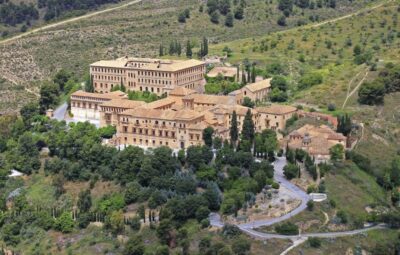
The monastery’s story helps you interpret what you’re seeing. It was founded by the Catholic Monarchs in 1492 in the camp they established in the nearby town of Santa Fe. When the monks realized the original site wasn’t ideal, the monastery moved to Granada, and construction began in 1503 in its current location—eventually taking the name Real Monasterio de la Concepción de Nuestra Señora de Granada.
The Hieronymite monks lived there starting in 1521, remaining until the disentailment under Mendizábal in 1835. After that, the building was used as a barracks. In the 1960s it was ceded again to the Order of St. Jerome, and after restoration it returned to its original function.
Today, the monastery is occupied by Hieronymite mothers who moved from the nearby Monastery of Santa Paula, which has been converted into a hotel. That continuity of occupation is why the visit feels different from purely “museum” sites. You’re walking through a functioning religious environment.
If you take just one historical idea with you, take this: the architecture was shaped by shifting fortunes. War, politics, confiscation, restoration, and renewed religious life all left marks on the site’s identity. The result is a building that doesn’t feel frozen.
Who This Monastery Visit Fits Best
This ticket is a great match if you like:
- Historic religious sites where daily-life spaces matter, not just the church.
- Artful churches with credited names like Diego de Siloé and the broader Renaissance-to-Mannerist mix.
- Quiet stops that break up an intense Granada schedule.
You might want to think twice if:
- You need wheelchair access, since it’s listed as not suitable for wheelchair users.
- You rely on your phone throughout a visit and aren’t comfortable with the cellphone restriction.
- You’re hoping for a guided tour, because a guided experience isn’t included—this is self-guided with the audio app.
Should You Book This Entry Ticket?
Yes, I’d book this ticket if you’re prioritizing the Church of the Immaculate Conception, the cloisters, and the monastic spaces that make the site feel real. The church is the major payoff, and the route includes the exact rooms that help you understand how the monastery worked: cloister, refectory, profundis room, chapter rooms, sacristy, and church.
If you’re price-sensitive, do a quick check: online booking may add a fee, and some people have noted that on-site tickets can be cheaper. And if you’re planning to use the audio guide app on your smartphone, treat the no-cellphones rule as a key detail—follow what staff and signage require, even if it changes how you listen.
For a calm, art-focused half-to-full day slot in Granada, this is a solid use of time and money.
Granada's Monasteries and Quiet Corners
- Granada: Basilica of San Juan de Dios Ticket & Audio Guide
★ 4.6 · 336 reviews - Granada: Sacromonte Abbey Entry Ticket with Audio Guide
★ 4.2 · 50 reviews - Granada: Monastery of La Cartuja Entry Ticket
★ 4.7 · 25 reviews - Granada: Church of San Nicolas and Tower Access Ticket
★ 4.7 · 3 reviews
Just added to our Granada notebook
- Antequera and Torcal from Granada in a small group up to 7 people★ 4.5 · 3 reviews
- Granada: Alhambra tickets and other attractions★ 5.0 · 3 reviews
- Alhambra and Albaycin Private Tour★ 3.5 · 3 reviews
- Alhambra and Albaicin Private Tour with official Guide★ 3.5 · 3 reviews
- Cathedral and Royal Chapel Premium tour★ 4.5 · 3 reviews
Monasteries & Sacred Sites, compared.
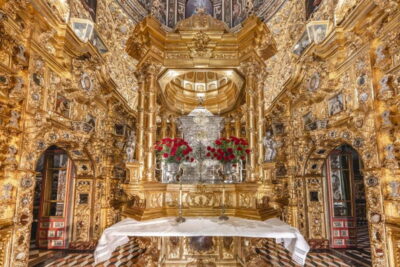 ★ 4.6Basilica of San Juan de Dios Ticket & Audio GuideFrom $11336 reviews
 ★ 4.2Sacromonte Abbey Entry Ticket with Audio GuideFrom $850 reviews
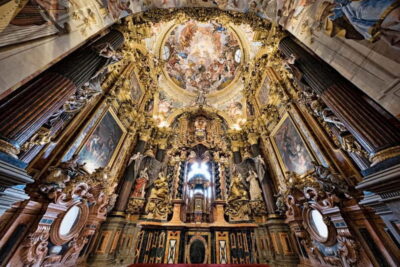 ★ 4.7Monastery of La Cartuja Entry TicketFrom $1125 reviews
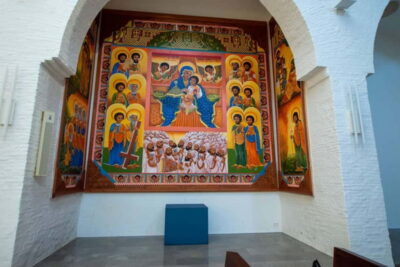 ★ 4.7Church of San Nicolas and Tower Access TicketFrom $53 reviews
Browse the lists this tour appears in