
Reviewed · HISTORICAL TOURS
Water paths. Private adventure and history tour
Water in Granada feels like a secret code. This tour reads that code by walking along working waterways, from legend-filled corners near the Alhambra to cooling forest springs. I especially like how the route is tied to real uses of water in the city, and I like that you get a small-group feel with a guide who keeps you moving and thinking. One heads-up: the path is up-and-down with sloping slopes, so comfortable shoes and decent mobility matter.
The setting helps, too. You spend real time along channels and forest edges near the Alhambra, not just stopping for views and heading back. And the guide angle is smart: it’s not only history, it’s how water shaped daily life, including the system behind fountains, springs, and ditches.
If you want a totally flat, stroller-friendly stroll, this isn’t it. And if you rely on hearing or visual support, the route isn’t designed for that.
In This Review
- Key things to know before you go
- Granada’s Water Path Adventure: history you can walk through
- Cuesta de los Chinos: legends beside an artificial river
- The Alhambra border: how the palace was supplied with water
- La Silla del Moro: medieval space planning without the ruins
- Cerro del Sol: a forest bridge of roads and ditches
- Fuente del Avellano and Romayla ditch: pure, healing water and shade
- Pace and footing: 3 hours that require smart shoes
- Private by design: small group time with guides like Jose and Mikael
- What makes the price feel fair for this kind of tour
- Who should book this Water Paths tour
- Should you book Water Paths in Granada?
- FAQ
- How long is the Water Paths private adventure and history tour?
- What time does the tour start, and where is the meeting point?
- Is this a private tour?
- How physically demanding is the route?
- Is it suitable for reduced mobility, or for people with hearing or visual impairment?
- Is the tour recommended for children?
- What happens if the weather is poor?
Key things to know before you go
- It’s water-focused history, not a generic highlights walk: you’ll see fountains, springs, and ditches tied to how Granada functioned.
- A small group with real guide time: the tour emphasizes personal contact and coexistence with the environment.
- Forest edge near the Alhambra: you walk through green areas that feel worlds away from the main sights.
- Public water points are part of the route: pillars and fountains are built into the experience.
- Moderate walking with uneven ground: sloping paths and ditches mean you’ll want good grip shoes.
Digging deeper into Granada's Moorish and Christian past
- Segway Your Way Through Granada’s History: The Ultimate Ride
★ 5.0 · 334 reviews - Albayzín y Sacromonte, Unesco Heritage Neighborhoods
★ 5.0 · 250 reviews - Granada: Historic Center and Lower Albaicin Walking Tour
★ 4.7 · 136 reviews - Granada: 3-hour Historical Tour by Segway
★ 5.0 · 104 reviews
Granada’s Water Path Adventure: history you can walk through
This is one of those tours where the theme actually matters. Granada is famous for the Alhambra, sure, but what makes it click is understanding how water made the whole system work. Instead of treating water as scenery, this walk treats it like infrastructure: where it came from, where it went, and why people built the city around it.
You’ll cover several “water paths” over about 3 hours, moving through natural and artificial waterways. The pace is guided and purposeful. You’re not just collecting facts; you’re seeing the physical route water took, which makes the historical uses much easier to understand on the ground.
And there’s a practical side. Because the route loops back to the same starting point, you’re not juggling transport. It’s a straightforward plan for an evening start, and the timing fits well with a light dinner before or after.
Cuesta de los Chinos: legends beside an artificial river
You start on the Cuesta de los Chinos, where the walk is accompanied by a small artificial river. This is a strong “warm-up” stop because it sets the mood: you’re not jumping straight into the big monuments, you’re learning how water stories and water systems overlap.
Expect a mix of guided storytelling and the physical experience of water’s presence. That artificial river detail is key. It signals that Granada’s water story isn’t only about streams and springs outside the city. Humans shaped flows inside the urban fabric, and this stretch helps you see that idea early.
There’s no paid admission at this stop, so you can treat it as an easy entry point into the whole theme. If you like tours that begin with context instead of spectacle, this start clicks.
The Alhambra border: how the palace was supplied with water
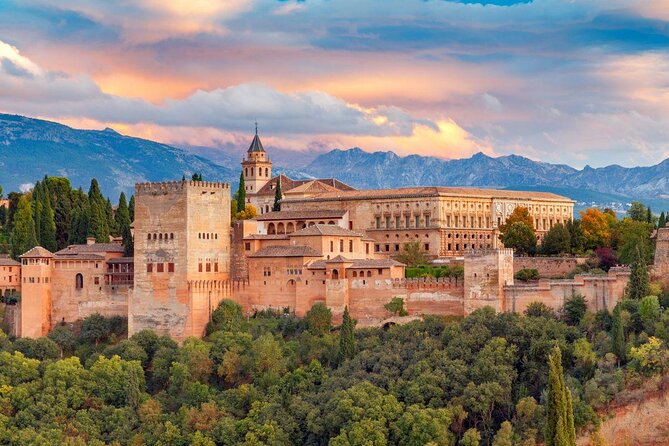
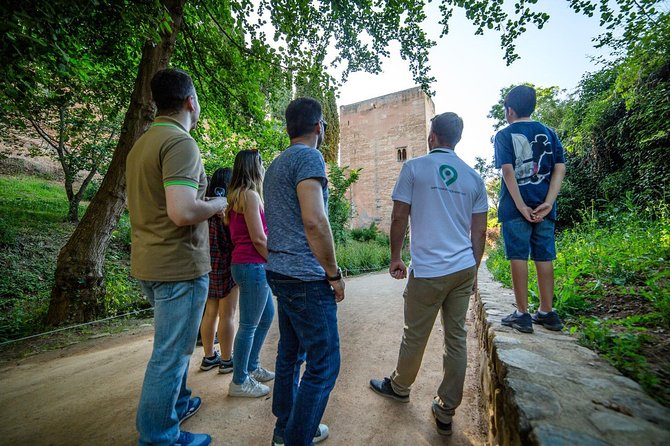
Next, you move to the eastern edge of the Alhambra at the foot of its wall. This section is focused, and that’s a good thing. You’re learning how the Alhambra was supplied with water and what that water was used for, without needing to go inside to get the point.
Standing at the base of the Alhambra wall changes your perspective. From that angle, it’s easier to connect the idea of a fortress-palace with the reality of daily logistics. Water isn’t decorative here. It’s essential, and the system behind it is what keeps life going.
You’ll spend around 20 minutes in this zone, enough time to understand the concept and still have energy for what comes next. It also keeps the tour balanced: you’re getting monument-adjacent views and a clear explanation without turning the walk into an overcrowded attraction circuit.
La Silla del Moro: medieval space planning without the ruins
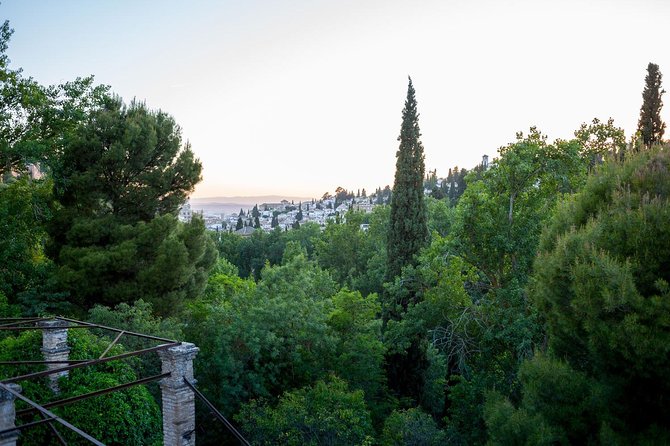
Then you climb to La Silla del Moro. Here, the point isn’t ruins or deep site exploration. You don’t access the archaeological remains. Instead, you learn the organization of space in medieval times and the infrastructure that supported it.
This is an important nuance. Not every part of a viewpoint needs to be about climbing into a paid archaeological area. Sometimes the lesson is in the layout: how people engineered routes, how the city and countryside related, and why certain areas mattered for movement and control.
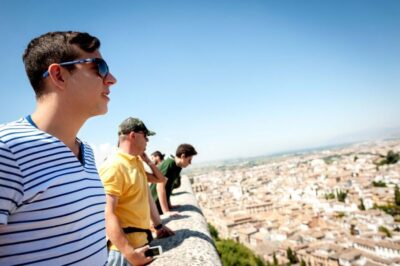
You’ll also get a wide-eye moment. The stop is short, about 10 minutes, but it’s designed to help you “read” the city from above before you go back down into ditches and forest paths. If you like history that explains the why, this section is a quick payoff.

Cerro del Sol: a forest bridge of roads and ditches
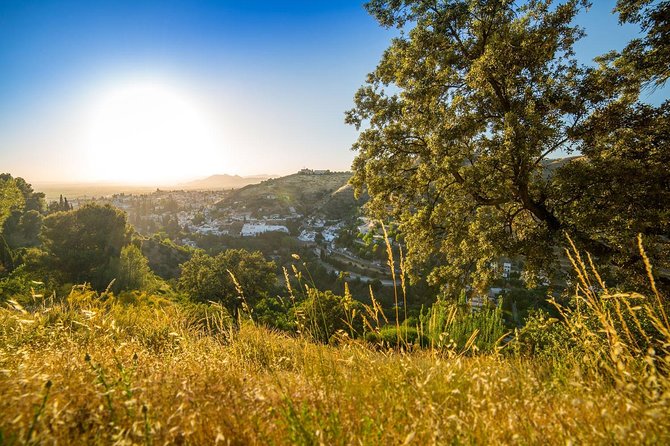
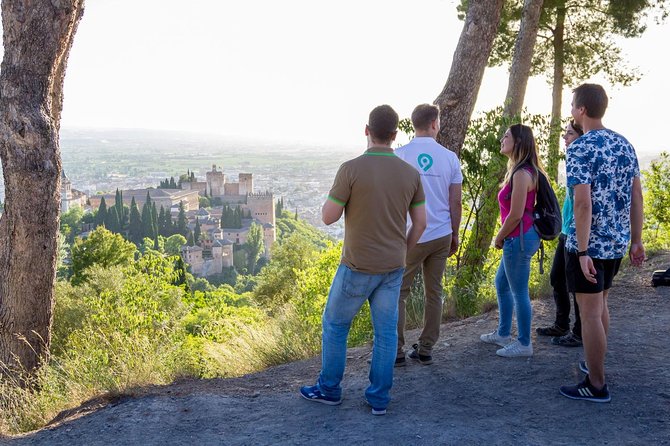
Cerro del Sol is the highlight of the adventure, and the plan reflects that. You enter a labyrinth of roads and ditches, then step into a lush forest area that acts like a bridge between countryside and city.
This is where the tour becomes physical in a more interesting way. The ditches and side paths aren’t random. They match the theme: water control wasn’t only for big palaces and formal fountains. It was also embedded in the daily movement of land and people.
You’ll spend about 30 minutes here, which feels like the right amount of time to slow down and absorb the environment. The forest edge matters because it gives you a break from the heavier monument zones. It also makes the water theme feel believable, not just educational.
One consideration: because the terrain includes ditches and mixed paths, you’ll want to walk with attention. The goal is enjoyment, not power-walking. If you’ve got good shoes, you’ll be fine.
Fuente del Avellano and Romayla ditch: pure, healing water and shade
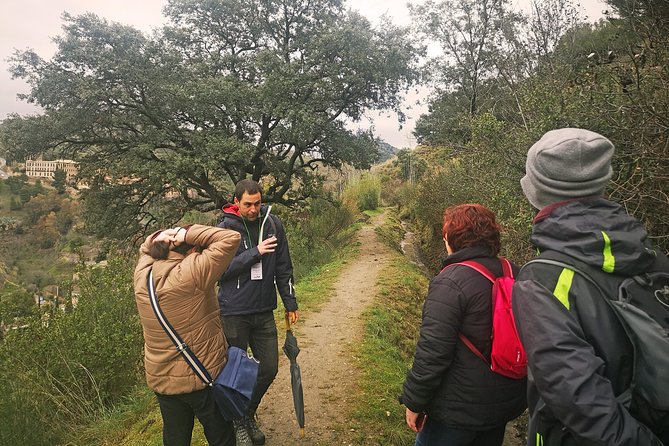
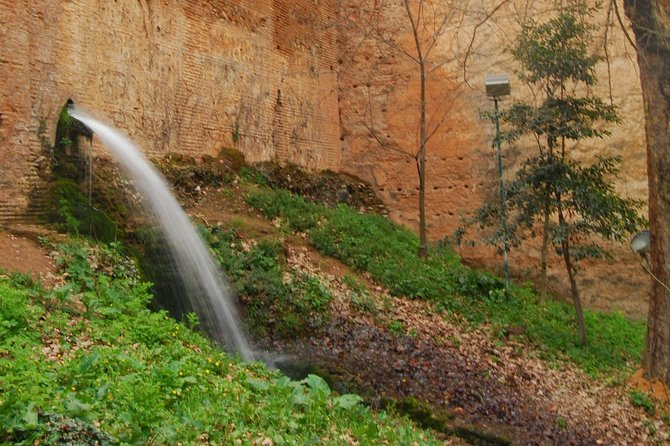
After the forest stretch, you reach Fuente del Avellano, described as a mythical source of pure and healing waters. Even if you don’t treat that language literally, it signals the emotional and practical purpose of this stop: water here feels fresh, cool, and tied to long memory.
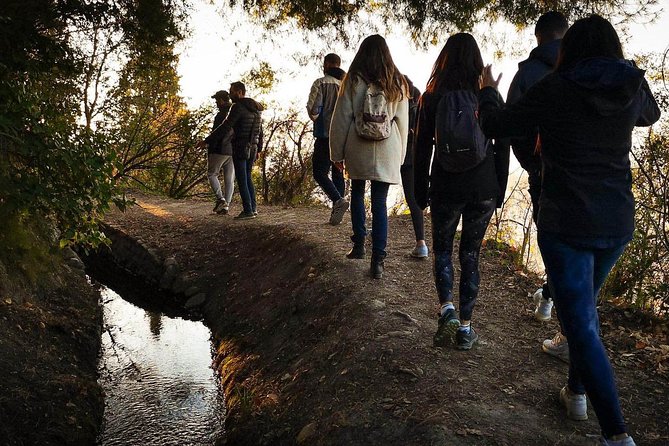
You then continue along the ditch of Romayla. This is the kind of segment that makes the whole tour click. Ditches and channels can sound technical on paper, but walking beside them shows how water management shapes a whole area’s feel and habitability.
This stop is brief, about 10 minutes, but it functions like a reset. By the time you’re finished, the tour’s lesson is clearer: Granada’s water system isn’t one landmark. It’s a chain of points that connect forest, city, and daily life.
Also, the route includes public water pillars and fountains. That means you’re not only looking at water history in theory. You’re passing working public water features as part of a guided story.
Pace and footing: 3 hours that require smart shoes
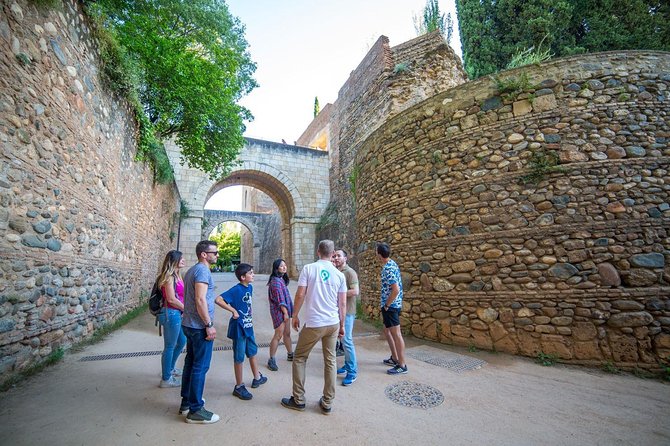
This tour lasts around 3 hours and is built for people with moderate physical fitness. The route includes sloping slopes, and you’ll cross uneven ground, including areas near ditches.
My advice is simple:
- Wear comfortable shoes with grip.
- Bring a water bottle and take it slow on the steps and dips.
- If you get tired easily uphill, plan to pace yourself right from the start.
The guide handles the route timing, but you’re still responsible for your footing. This isn’t a sit-on-a-bus kind of history experience.
The tour also isn’t suitable for reduced mobility, and it’s not designed for hearing or visual impairment. If you fall into those categories, it’s worth choosing a different Granada format that matches your needs.
Private by design: small group time with guides like Jose and Mikael
This is a private tour/activity, so it’s only your group. That alone changes the feel. You’re less likely to get rushed, and you can ask questions without talking over a crowd.
From the guides’ style, the emphasis seems consistent: professionalism, punctuality, and strong historical storytelling. I’ve seen mention of guides like Jose, praised as an excellent historian who blends knowledge with enjoyment, and Mikael, noted for watching logistics so the experience runs smoothly.
That matters because water systems can sound confusing until someone explains the practical logic in plain language. With a small group, the guide can tailor explanations to your pace and level of curiosity.
What makes the price feel fair for this kind of tour
At $109.90 per person, the price isn’t “cheap,” but it doesn’t feel inflated for what you get. You’re paying for a focused theme, a specialized guide, and a 3-hour walk that includes multiple meaningful water-related stops near major landmarks.
The tour also includes mobile tickets, which usually makes entry and verification simpler. Add the fact that it’s booked fairly often about 17 days in advance on average, and you’ll see the practical value: you’re paying for a slot that gives you guided access to places and explanations you might otherwise miss.
If you’re the type of traveler who enjoys learning how cities actually work—rather than collecting only photo spots—this feels like money well spent.
Who should book this Water Paths tour
This fits best if you:
- Like history that connects to real daily life
- Enjoy walking with a clear theme and a guide who explains systems
- Want something calmer and more unusual than a standard Alhambra tour circuit
- Prefer small-group attention over big-group tours
It’s also a great match for people who already know the basics of the Alhambra but want the next layer: the water supply and how Granada’s people used it over time.
Should you book Water Paths in Granada?
Book it if you want Granada to make sense through its water infrastructure. This tour is especially worth it when you’re curious about how an urban system functions and you enjoy walking through green, quieter stretches near major sights.
Skip it if you need fully flat terrain, if your mobility is limited, or if you’re looking for a quick “see the famous stuff” outing. The route is active, thematic, and physically involved enough that you should treat it like a real walk, not a casual promenade.
If you’re comfortable with sloping paths and you like history you can map onto the land, this is one of the more distinctive ways to experience Granada after the main highlights.
FAQ
How long is the Water Paths private adventure and history tour?
It lasts about 3 hours.
What time does the tour start, and where is the meeting point?
The tour starts at 6:00 pm. The meeting point is Fuente del Paseo de los Tristes, Albaicín, 18010 Granada, Spain. The activity ends back at the meeting point.
Is this a private tour?
Yes. It’s a private tour/activity, and only your group participates.
How physically demanding is the route?
You should have moderate physical fitness. The tour crosses sloping slopes, so wear comfortable shoes and be ready for uneven ground.
Is it suitable for reduced mobility, or for people with hearing or visual impairment?
No. The route is not suitable for people with reduced mobility, or for people with hearing or visual impairment.
Is the tour recommended for children?
It’s not recommended for children under 7 years because it lasts about 3 hours.
What happens if the weather is poor?
The experience requires good weather. If it’s canceled due to poor weather, you’ll be offered a different date or a full refund. You can cancel up to 24 hours in advance for a full refund as well.
Granada's History, Further In
- Segway Your Way Through Granada’s History: The Ultimate Ride
★ 5.0 · 334 reviews - Albayzín y Sacromonte, Unesco Heritage Neighborhoods
★ 5.0 · 250 reviews - Granada: Historic Center and Lower Albaicin Walking Tour
★ 4.7 · 136 reviews - Granada: 3-hour Historical Tour by Segway
★ 5.0 · 104 reviews - Granada: Historical City Center Guided Segway Tour
★ 5.0 · 57 reviews
Just added to our Granada notebook
- Antequera and Torcal from Granada in a small group up to 7 people★ 4.5 · 3 reviews
- Granada: Alhambra tickets and other attractions★ 5.0 · 3 reviews
- Alhambra and Albaycin Private Tour★ 3.5 · 3 reviews
- Alhambra and Albaicin Private Tour with official Guide★ 3.5 · 3 reviews
- Cathedral and Royal Chapel Premium tour★ 4.5 · 3 reviews
Historical Tours, compared.
 ★ 5.0Segway Your Way Through Granada’s History: The Ultimate RideFrom $59334 reviews
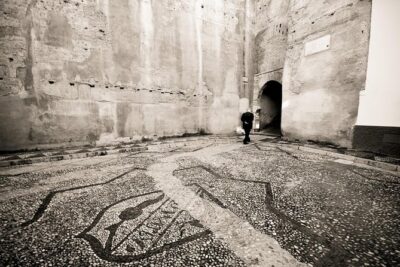 ★ 5.0Albayzín y Sacromonte, Unesco Heritage NeighborhoodsFrom $21250 reviews
 ★ 4.7Historic Center and Lower Albaicin Walking TourFrom $16136 reviews
 ★ 5.03-hour Historical Tour by SegwayFrom $83104 reviews
 ★ 5.0Historical City Center Guided Segway TourFrom $8157 reviews
 ★ 5.0Tapas&Tours with Leo – Tasting Culture and HistoryFrom $4135 reviews
 ★ 4.5Private Jewish History TourFrom $31232 reviews
 ★ 4.0Skip the Line Get Your Alhambra Ticket Now and Step into HistoryFrom $8122 reviews
Browse the lists this tour appears in