
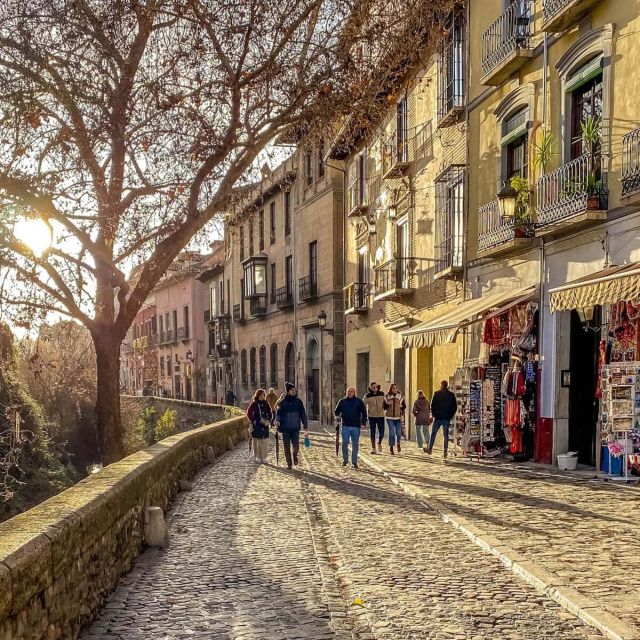
Reviewed · ALBAICíN & SACROMONTE WALKS
Granada in full: Historic Centre, Albaicín & Sacromonte
Granada can change your mood fast. In just 150 minutes, this walk links Islamic and Christian roots with some of the city’s most memorable viewpoints, then ends in the famous cave area of Sacromonte.
I like two things a lot here. First, you get a smart mix of major landmarks and everyday neighborhood streets, from the Cathedral and Royal Chapel to the Alcaicería Arab market area. Second, the guide’s style tends to be energetic and easy to follow, and the tour comes with an audio system so you can actually hear the story while you’re walking.
One thing to plan for: Granada is hilly. Expect stairs and steep cobblestones in the Albaicín, and the tour isn’t suitable for wheelchair users or people with mobility impairments.
In This Review
- Key highlights you should care about
- Why Granada in 150 Minutes Works
- Meeting at Plaza de Alonso Cano (And Finding Your Guide Easily)
- Historic Centre First: Cathedral, Royal Chapel, and the Arab Market Feel
- Plaza Nueva and Real Chancillería: The City’s Power Centers
- Albaicín Start: Cobblestones, Whitewashed Walls, and the City’s Origin
- Madrasa Stop: Islamic Education in Stone
- Mirador de Los Carvajales and Plaza de San Nicolás: When the Photos Match the Feeling
- Cármenes and the Typical Carmen House: How Hill Life Works
- Sacromonte: Caves, Flamenco District Energy, and the End of the Story
- Paseo de los Tristes: A Soft Landing After the Hill Climb
- Price and Value: Is $23 Fair for This Amount of Walking?
- Audio System Included: A Small Detail That Helps a Lot
- When the Weather Turns (And How to Stay Comfortable)
- Who Should Book Granada in Full
- Should You Book This Tour or Plan a DIY Day?
- FAQ
- Where does the tour start?
- How long is the tour?
- What language is the tour in?
- What does the tour include besides walking and viewpoints?
- Is there an audio system?
- What areas does the tour cover?
- Is the tour suitable for wheelchair users or people with mobility impairments?
- Is the tour mostly flat?
- What’s the price and can I cancel?
Key highlights you should care about
- Historic Centre to Albaicín in one smooth story, not a random hit list
- Best miradors timed for photo stops, including Mirador de Los Carvajales and Plaza de San Nicolás
- Typical carmen house visit, a real taste of how people live on the hill
- Sacromonte caves and flamenco district, with the right atmosphere as you arrive
- Audio system included, a small detail that makes the whole experience better
More walks through the Albaicin lanes and up to Sacromonte
- Granada: Albaicín and Sacromonte Guided Sunset Walking Tour
★ 4.9 · 2,962 reviews - Sacromonte: Flamenco Show at Cuevas Los Tarantos Tickets
★ 4.5 · 2,051 reviews - Granada: Flamenco Show in Albayzín – Jardines de Zoraya
★ 4.7 · 1,375 reviews - Albaicin & Sacramonte Electric Bike Tour in Granada
★ 5.0 · 1,044 reviews
Why Granada in 150 Minutes Works
Granada is one of those cities where you can feel the layers almost immediately. You’re not just seeing buildings. You’re seeing how the city formed, shifted, and re-shaped itself over time. This tour compresses that into a short, very walkable route that focuses on the places that help you understand Granada fast.
The key is pacing. The tour is only 150 minutes, so it moves briskly, with guided chunks at the main stops and shorter viewing moments on the streets. If you like your tours light on logistics and heavy on atmosphere, this format fits.
Also, the route is designed so you don’t just stand in one spot. You get movement, views, and story beats in the same few hours. It’s the kind of walking tour that helps you get your bearings fast—then you can wander on your own later.
Meeting at Plaza de Alonso Cano (And Finding Your Guide Easily)
You’ll start at Plaza de Alonso Cano. The meeting point is easy to spot: the official guide accreditation hangs around the guide’s neck, and there’s a white umbrella. That matters more than people think, especially in older city centers where streets bend and look similar.
This tour runs with a local guide and is in English. Based on past experiences with the guides who lead this route—names like Marta and Julian show up as examples—the guiding style is usually energetic, informative, and tuned to keeping people engaged even if it’s cloudy or drizzly.
One practical note: bring comfortable shoes. You’ll be walking through historic streets and dealing with uneven surfaces.
Historic Centre First: Cathedral, Royal Chapel, and the Arab Market Feel
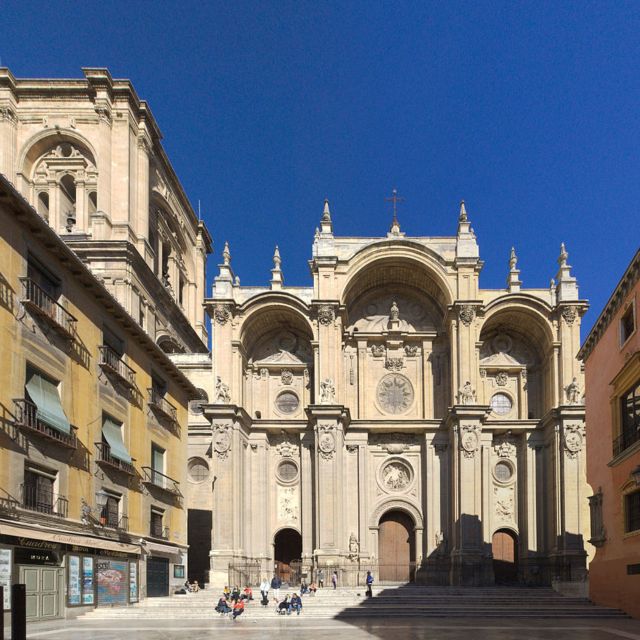
The tour begins in the historic center, where the mix of cultures becomes visible right away. You start with a guided look around the area near the Granada Cathedral, then move into plazas that act like social living rooms for the city.
Here’s what I’d focus on as you go:
- Granada Cathedral: Even if you’re not a “church person,” the building anchors the Christian era of Granada. You’ll get a short guided orientation (about 10 minutes), which helps you know what you’re looking at instead of staring blankly.
- Capilla Real (Royal Chapel): A guided visit (around 15 minutes) adds context around why this site matters and how it fits into the broader city story.
- Plaza Bib-Rambla: A quick stroll through this central square (about 5 minutes) is a good reset point, plus it gives you a feel for how Granada moves at street level.
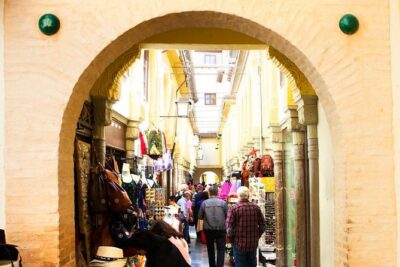
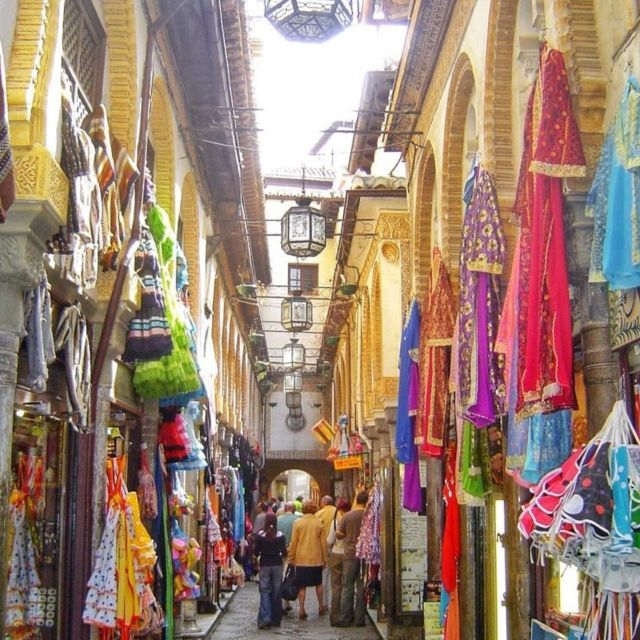
- Alcaicería area: This is the Arab market zone, and it’s one of the best places on the tour to notice how Granada’s Islamic past is still “in the walls,” not just in textbooks. Expect a guided walk and stop time (around 10 minutes).
I like starting with these stops because they teach you a map in your head. After that, the hill areas make more sense, and your photos come out better because you know what view you’re aiming for.
Plaza Nueva and Real Chancillería: The City’s Power Centers
From the market and chapel zone, you’ll move toward Plaza Nueva, including a longer guided/photo stretch (about 20 minutes). This is a smart stop because it’s both a sight and a viewpoint platform for thinking about Granada’s history. You’ll also get a look at Real Chancillería (around 10 minutes) and nearby church areas like Iglesia de San Gil y Santa Ana (a shorter guided walk, about 5 minutes).
What makes this part valuable is how it connects the dots. You’re seeing:
- official buildings tied to power and administration
- church sites that became central after Christian rule solidified
- plazas that still function as gathering points today
If you tend to think history is “old and separate,” this section helps you see it as a living structure. Granada’s old places still set the rhythm of the city.
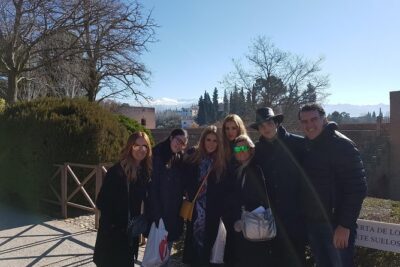
Granada's miradores and old streets, one more loop
Albaicín Start: Cobblestones, Whitewashed Walls, and the City’s Origin
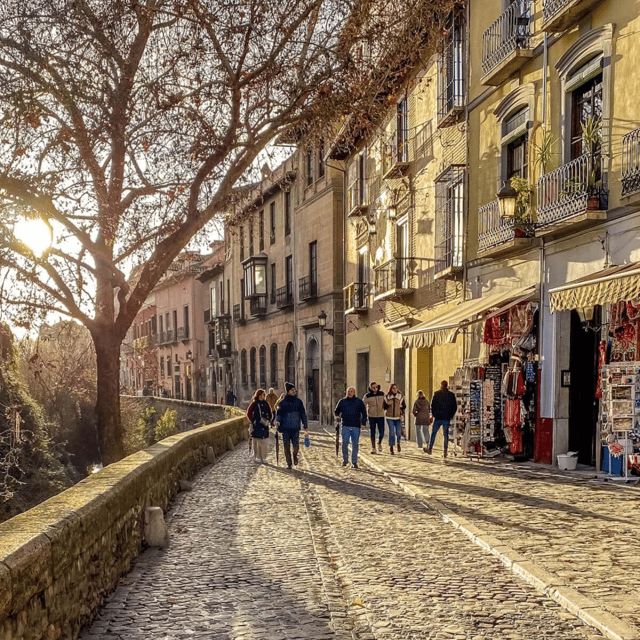
Then you climb into Albaicín, widely considered Granada’s oldest quarter. This is where the tour’s character shifts from landmark gazing to neighborhood wandering.
The Albaicín part works because it’s visually distinctive. You’ll notice:
- cobblestone streets (watch your step)
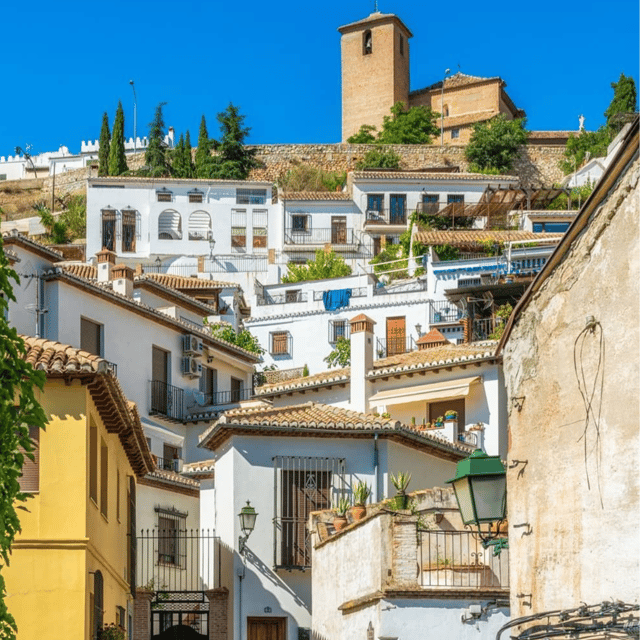
- whitewashed houses
- the feeling of a hillside settlement shaped by the terrain
You’ll also pass through street segments like Calle Gran Vía de Colón before key viewpoints. These transitions matter. They show you the actual texture of walking in Granada, not only the postcard stops.
Timing here is important. The route has photo stops and guided moments, but the walking portion is real. Plan to take it slow where you need to, and don’t try to outrun the stairs. In my book, a half-second pause at the right corner gives you better photos than sprinting uphill.
Madrasa Stop: Islamic Education in Stone
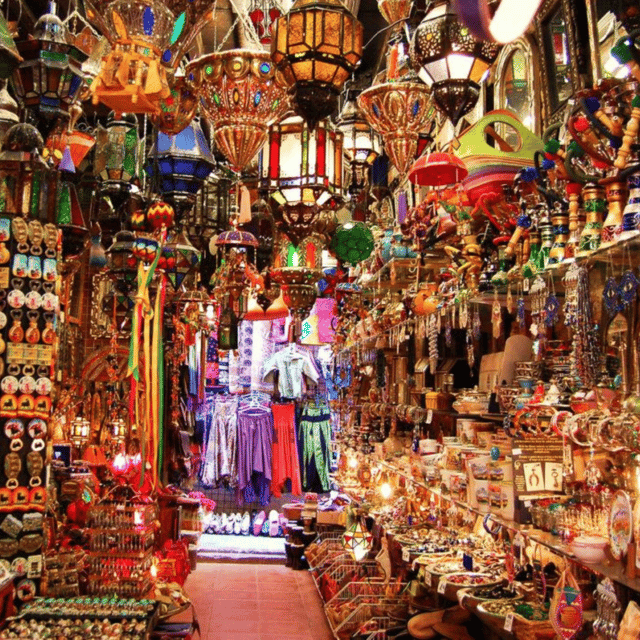
You’ll include a visit to the Madrasa (antiguo colegio islámico), with guided time and sightseeing (about 10 minutes). This is one of the more meaningful stops on the route because it shifts the story from conquest and architecture to everyday civic life.
A madrasa isn’t just an old building. It’s tied to learning, training, and the kind of intellectual culture that shaped Granada for centuries. Even with short stop time, the guide helps you understand what you’re looking at and why it mattered in the city’s early identity.
For many first-time visitors, this is the moment Granada stops being only pretty and starts becoming understandable.
Mirador de Los Carvajales and Plaza de San Nicolás: When the Photos Match the Feeling
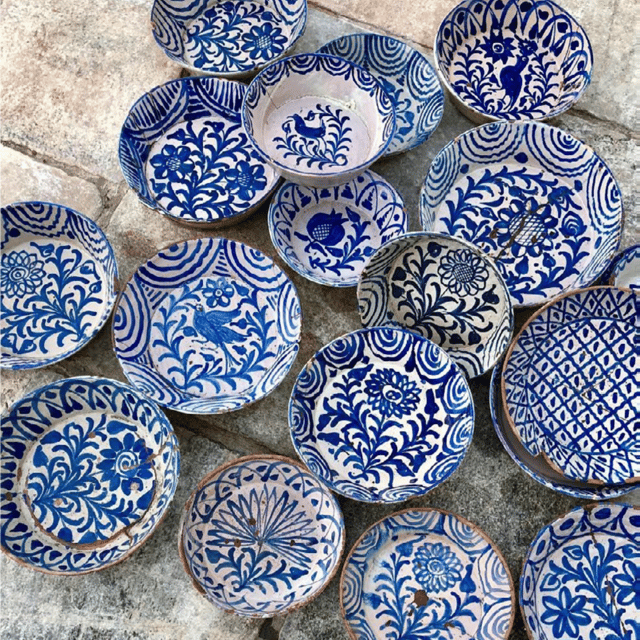
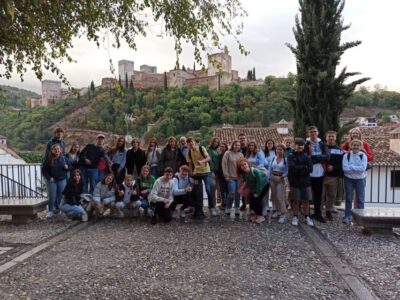
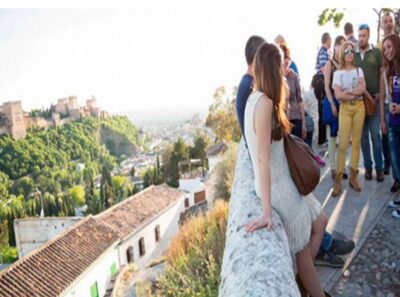
Next comes viewpoint time, and Granada does viewpoints right. You’ll stop at Mirador de Los Carvajales first, with a longer guided/photo moment (about 15 minutes). Then you’ll reach Plaza de San Nicolás, with a break and more free time (around 20 minutes).
Here’s the practical advantage of doing viewpoints with a guide:
- You get the best angles without guessing.
- You’re not stuck watching other people from the wrong spot.
- You hear what to notice in the view, not just that it’s “nice.”
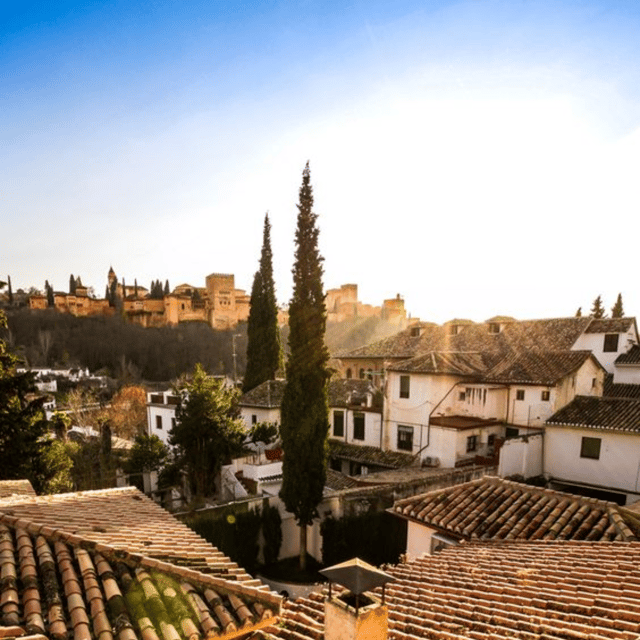
Plaza de San Nicolás is famous for a reason. The area gives you a sense of Granada’s layers spreading outward—old neighborhoods below, the city’s historic core nearby, and the hill geography making the whole scene feel connected. Even if the light isn’t perfect, the viewpoint still lands.
Photo tip: bring a small cloth or wipe for your phone/camera if it’s been raining or misty. In Granada, weather can change fast, and smudges become very obvious against bright stone and sky.
Cármenes and the Typical Carmen House: How Hill Life Works
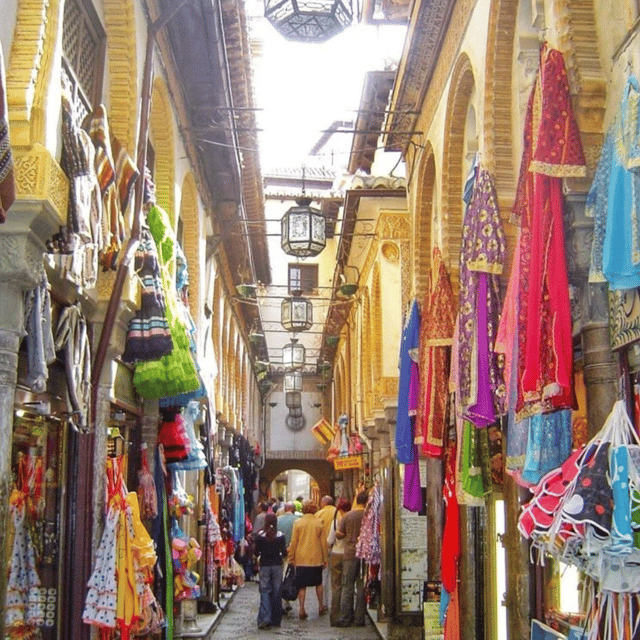
This tour includes a stop in the Cármenes area and a chance to see a typical carmen house. In Granada, a carmen is more than a style—it’s tied to how people used gardens and living spaces on a slope.
Why I think this is worth it: you’re not only touring monuments. You’re seeing how the city is lived in. A viewpoint might make you say wow. A carmen house makes you say, oh, that’s how it fits together.
Because the tour is short, you won’t get a long, slow museum-style experience here. But the guided look is designed to give you the idea quickly: hill design, home layout, and the way greenery and stone often share space in this part of town.
Sacromonte: Caves, Flamenco District Energy, and the End of the Story
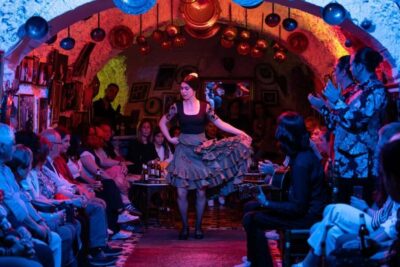
Finally, you move into Sacromonte, the flamenco and cave district. The tour includes Cuevas del Sacromonte, plus guided time and free time (about 20 minutes at that end segment).
This is where the atmosphere changes again. Sacromonte feels different from the historic center and the tidy viewpoints of the Albaicín. The caves and the neighborhood energy make the cultural story feel more immediate.
Also, this is a strong finish because it matches the tour theme: Granada from its origins to its expressive culture. If you’ve been thinking the day is mainly about architecture, Sacromonte brings the human side forward—how people perform, gather, and keep traditions alive.
Paseo de los Tristes: A Soft Landing After the Hill Climb
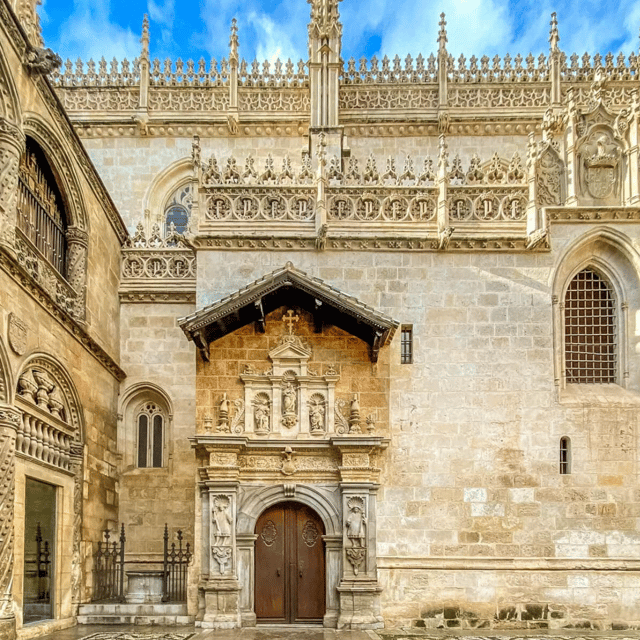
Your tour finishes at Paseo de los Tristes, a classic riverside walk connected with one of Granada’s most romantic city sections, especially around the Darro River area.
Ending here is a nice choice. It gives you a calmer moment after hills and viewpoints. It’s also a good place to regroup before you decide what to do next—whether you want to keep walking, find dinner, or just sit for a bit and let Granada sink in.
Price and Value: Is $23 Fair for This Amount of Walking?
At about $23 per person for 150 minutes, this is solid value if you want:
- an English-speaking local guide
- a structured route across three big areas (Historic Centre, Albaicín, Sacromonte)
- viewpoint stops that help you frame your photos
- included guided time inside key sites
You’re not paying for transportation on this one, which is a big part of why the price stays reasonable. Instead, you’re paying for someone to connect the city story to what you’re seeing while you walk.
The only “cost” is your energy. This isn’t a sit-and-watch tour. It’s a hop-on-foot plan with hills and stairs, so if you’re sensitive to walking, the value math changes.
Audio System Included: A Small Detail That Helps a Lot
One detail I really appreciate: the tour includes an audio system. In dense old streets with crowds, wind, and hills, it’s easy to miss the guide’s explanations. This makes the story stick better, and it helps you enjoy the walk instead of constantly straining to hear.
If you’re hard of hearing or you just hate lip-reading, this feature matters.
When the Weather Turns (And How to Stay Comfortable)
The tour can work in rain, and it’s short enough that discomfort won’t dominate the entire day. But you should still be prepared.
What I recommend:
- Wear shoes with decent grip for cobblestones.
- Bring a light rain layer if the forecast looks messy.
- Keep water handy, especially if you’re climbing repeatedly in the Albaicín area.
And remember: this is a hillside city. If your day includes walking tours elsewhere, make this your main one, not your second heavy hike.
Who Should Book Granada in Full
This tour is a great fit if you:
- want a first-time orientation to Historic Centre + Albaicín + Sacromonte
- love viewpoints and photo stops, but also want context
- prefer a guide who keeps things lively and easy to follow
- like the idea of seeing a typical carmen house rather than only monuments
It’s not the right choice if you:
- use a wheelchair or need step-free routes (the tour is not suitable for mobility impairments)
- can’t handle steep, cobbled streets and stairs
Should You Book This Tour or Plan a DIY Day?
Book it if you want structure and speed, and if you’re comfortable with hills and walking. At $23 for 150 minutes with an English guide, key landmarks, miradors, a carmen house stop, and an ending by Paseo de los Tristes, you get a lot of Granada in one go.
Skip it if you need a slower pace or step-free access. Granada is gorgeous, but this route is built for movement, not for rolling slowly.
FAQ
Where does the tour start?
It starts at Plaza de Alonso Cano, where you’ll find the official guide with accreditation and a white umbrella.
How long is the tour?
The duration is 150 minutes.
What language is the tour in?
The tour is in English.
What does the tour include besides walking and viewpoints?
It includes visits to major sights such as the Cathedral, Royal Chapel, Madrasa, and Real Chancillería areas, plus a typical carmen house stop and Sacromonte cave district time.
Is there an audio system?
Yes. An audio system is included so you can hear the guide better.
What areas does the tour cover?
It covers Granada’s Historic Centre, then the Albaicín neighborhood, and finishes in Sacromonte, ending at Paseo de los Tristes.
Is the tour suitable for wheelchair users or people with mobility impairments?
No. The tour is not suitable for people with mobility impairments or wheelchair users.
Is the tour mostly flat?
No. Granada is hilly, especially in the Albaicín, so you should expect inclines and stairs.
What’s the price and can I cancel?
The price is $23 per person. You can cancel up to 24 hours in advance for a full refund.
If you want, tell me your travel month and your walking comfort level, and I’ll suggest the best time of day to do this route and how to pair it with dinner near where it ends.
Granada's History, Further In
- Segway Your Way Through Granada’s History: The Ultimate Ride
★ 5.0 · 334 reviews - Albayzín y Sacromonte, Unesco Heritage Neighborhoods
★ 5.0 · 250 reviews - Granada: Historic Center and Lower Albaicin Walking Tour
★ 4.7 · 136 reviews - Granada: 3-hour Historical Tour by Segway
★ 5.0 · 104 reviews - Granada: Historical City Center Guided Segway Tour
★ 5.0 · 57 reviews
Granada's Miradores and Old Streets
- Private Alhambra Highlights Tour Including the Nasrid Palaces
★ 5.0 · 423 reviews - Granada City Center and Albaicin Private Tour
★ 5.0 · 181 reviews - Granada: Historic Center and Lower Albaicin Walking Tour
★ 4.7 · 136 reviews - Granada: Panoramic Tour by Segway
★ 5.0 · 114 reviews - Granada Highlights Tour with Tapas Breaks by Electric Bike
★ 5.0 · 111 reviews
Up Through the Albaicin and Sacromonte
- Granada: Albaicín and Sacromonte Guided Sunset Walking Tour
★ 4.9 · 2,962 reviews - Sacromonte: Flamenco Show at Cuevas Los Tarantos Tickets
★ 4.5 · 2,051 reviews - Granada: Flamenco Show in Albayzín – Jardines de Zoraya
★ 4.7 · 1,375 reviews - Albaicin & Sacramonte Electric Bike Tour in Granada
★ 5.0 · 1,044 reviews - Granada: Albaicin and Sacromonte E-Bike Tour
★ 4.9 · 852 reviews
Just added to our Granada notebook
- Antequera and Torcal from Granada in a small group up to 7 people★ 4.5 · 3 reviews
- Granada: Alhambra tickets and other attractions★ 5.0 · 3 reviews
- Alhambra and Albaycin Private Tour★ 3.5 · 3 reviews
- Alhambra and Albaicin Private Tour with official Guide★ 3.5 · 3 reviews
- Cathedral and Royal Chapel Premium tour★ 4.5 · 3 reviews
Albaicín & Sacromonte Walks, compared.
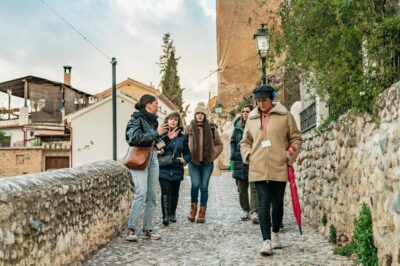 ★ 4.9Albaicín and Sacromonte Guided Sunset Walking TourFrom $172,962 reviews
 ★ 4.5Sacromonte: Flamenco Show at Cuevas Los Tarantos TicketsFrom $332,051 reviews
 ★ 4.7Flamenco Show in Albayzín – Jardines de ZorayaFrom $221,375 reviews
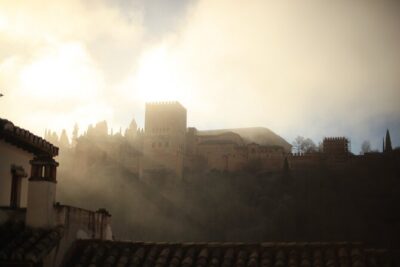 ★ 5.0Albaicin & Sacramonte Electric Bike Tour in GranadaFrom $541,044 reviews
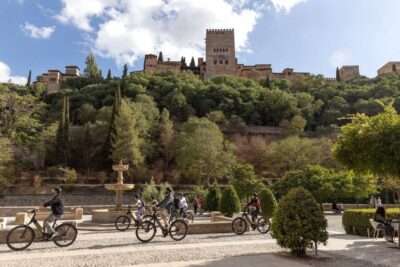 ★ 4.9Albaicin and Sacromonte E-Bike TourFrom $53852 reviews
 ★ 4.7Albaicín and Sacromonte 2.5-Hour Walking TourFrom $23777 reviews
 ★ 4.7Los Amayas Cave Flamenco Show in SacromonteFrom $26684 reviews
 ★ 4.5Albaicín and Sacromonte Walking TourFrom $18665 reviews
Browse the lists this tour appears in