
Reviewed · ALPUJARRA VILLAGE DAY TRIPS
From Granada: Alpujarra Mountain Villages Tour
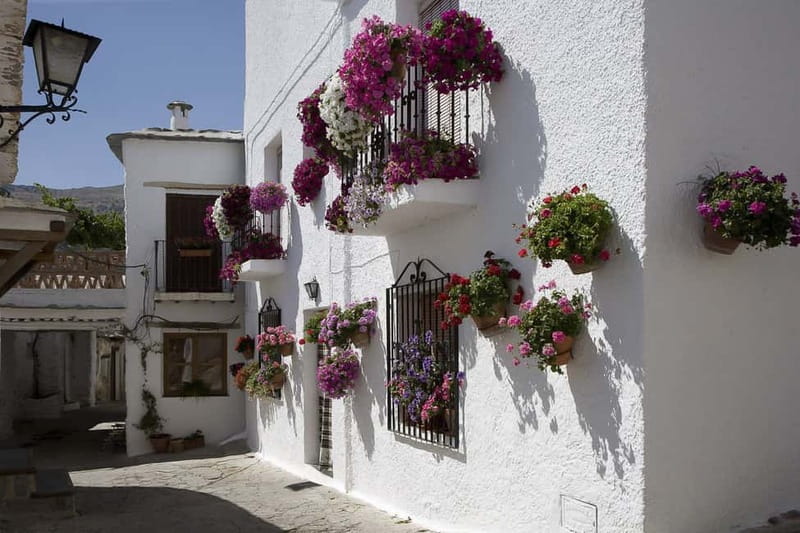
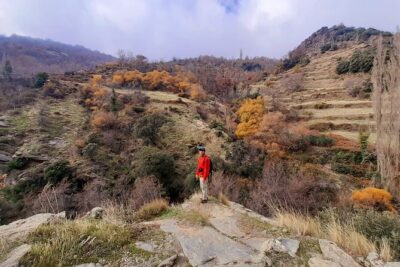
White villages rise from Sierra Nevada foothills.
This Granada-to-Alpujarra day trip turns a long drive into a string of high-mountain stops—Lanjarón, Pampaneira, Trevélez, Capileira—plus spring-water breaks and time to wander. I like that the day balances guided context with free time in the villages, so it doesn’t feel like you’re glued to a schedule.
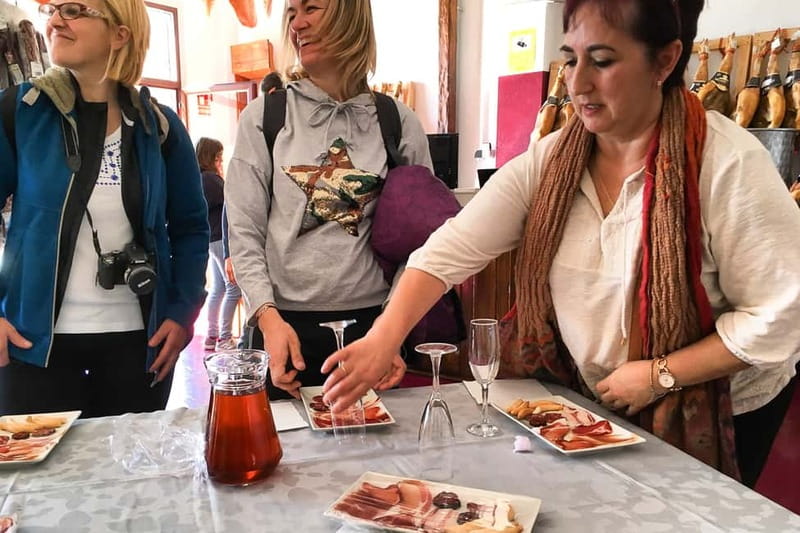
For me, the biggest selling point is the food-and-water side: ham tastings and a traditional Alpujarreño-style meal when you book it, alongside mineral-water heritage tied to the region’s daily life. One drawback to plan for: the roads are winding and the day runs 8–10 hours, so if you get motion sickness or run cold on buses, pack accordingly.
In This Review
- Key things I’d circle before you go
- La Alpujarra in one day: why this route works
- Granada hotel pickup + a winding-coach reality check
- Lanjarón: mineral-water heritage and a classic first stop
- Pampaneira: free time in a white village (and how to use it)
- Portugos and Fuente Agria: the spring stop people remember
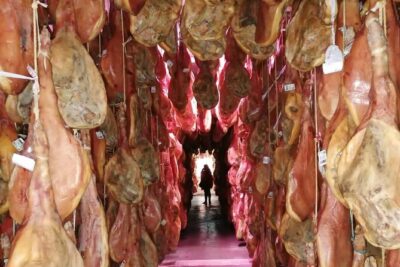
- Trevélez: Spain’s highest village and the ham side of life
- Capileira: mountain views and a calmer break before the meal
- Traditional Alpujarreño food: lunch option vs. tastings only
- Crafts and shopping breaks: jarapas, doilies, baskets, and carpets
- How long is the day, and where timing can feel tight
- Who this tour suits (and who might want a different plan)
- Should you book the Granada to Alpujarra tour?
- FAQ
- How long is the Granada to Alpujarra mountain villages tour?
- Where does the tour pick you up in Granada?
- Which villages and stops are included?
- Is lunch included?
- Do you get tastings on the tour?
- What languages is the guide available in?
- Is there an option for a private group?
- What should I bring?
- Is it cancellable if my plans change?
- Can I reserve without paying right away?
Key things I’d circle before you go
- Spain’s highest village, Trevélez: famous cured ham and a guided walk to set the scene
- Fuente Agria in Portugos: a proper spring stop where mineral water has local medicinal lore
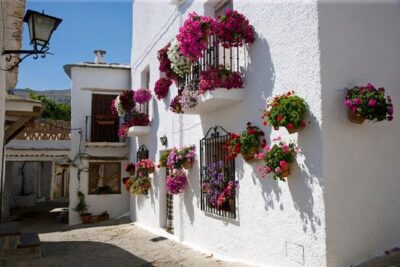
- Mozarabic-style white houses: you’ll see the architecture that helps define Alpujarra villages
- Pampaneira and Capileira free time: real breathing room for views, photos, and coffee
- Optional traditional lunch: included when you choose the meal option, often paired with a drink
- Craft-shopping moments: doilies, straw baskets, and colorful woven pieces show up during the drive
The white villages of the Alpujarra, high above Granada
- From Granada: Alpujarra Mountain Villages Tour
★ 4.7 · 298 reviews - From Granada: Alpujarra Villages Guided Day Tour
★ 4.8 · 217 reviews - Premium Scenic Daytrip to Alpujarra Villages from Granada (Max 8)
★ 4.5 · 156 reviews - Las Alpujarras Full-Day Tour with Optional Lunch from Granada
★ 4.5 · 133 reviews
La Alpujarra in one day: why this route works
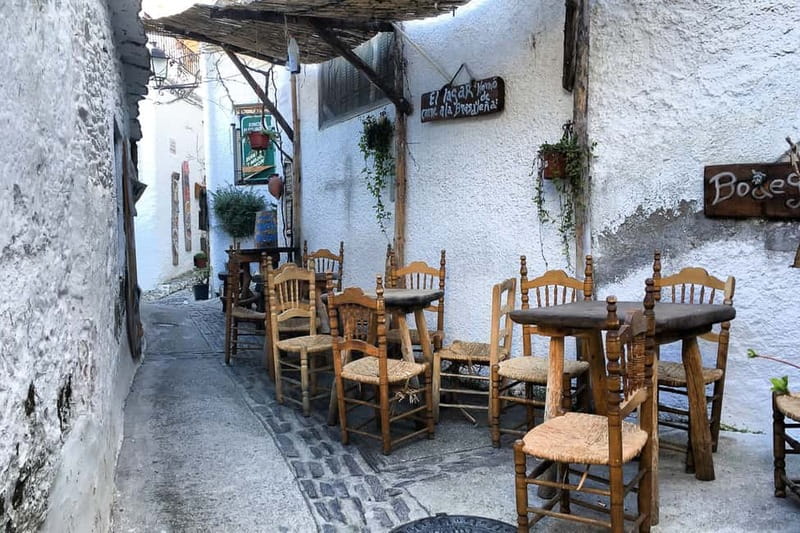
Alpujarra is a long valley running along the southern Sierra Nevada foothills, down toward the Mediterranean side and the Sierra de Gádor. That geography is why the villages feel so dramatic: white buildings dot rugged terrain, then lush green foliage shows up where you’d least expect it. Even if you know Granada’s monuments well, this is a different Spain—one built around hillside farming, water sources, and mountain-weather timing.
What I like about this day format is that it’s built for variety. You get village streets and viewpoints, but you also get the “why” behind them: water is part of daily life here, ham-curing shapes the economy, and traditional crafts still matter. It’s also practical for a short stay. You’re not gambling on rental-car navigation up narrow roads; you’re letting the local driver and guide connect the dots.
Granada hotel pickup + a winding-coach reality check
The tour starts with pickup from several central Granada hotels and ends with drop-off back in the same general area. That matters because Granada traffic and parking can turn a simple morning into a stress test. Once you’re on board, you’ll be traveling by bus/coach, with about an hour of driving early in the day.
The main thing to remember: this is mountain driving. That means lots of curves and elevation changes. If you’re prone to motion sickness, I’d plan ahead—sit toward the front if you can, and bring your usual remedy. Also pack layers. In winter, the mountain air can feel sharp even when Granada is warm, and you may catch snow-topped views on the Sierra Nevada depending on the day.
Lanjarón: mineral-water heritage and a classic first stop
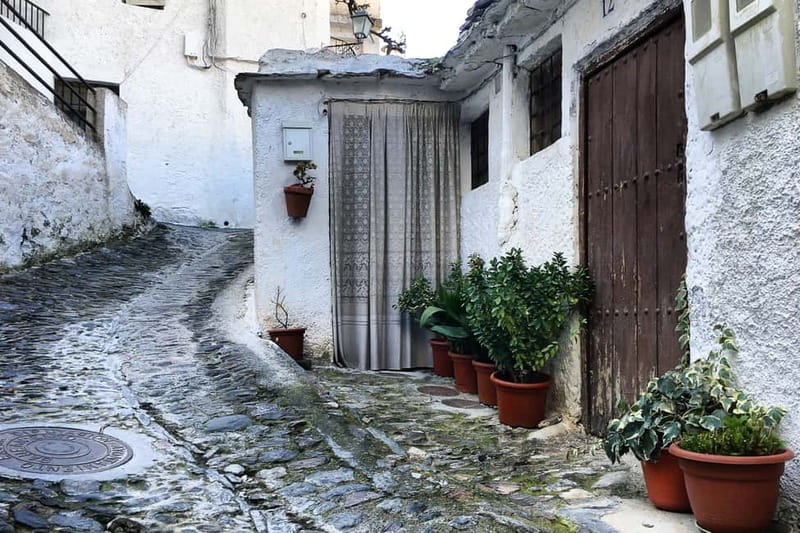
Lanjarón is the first village stop and it’s timed to give you a short, focused visit (about 30 minutes). The region’s identity shows up immediately: water first, then architecture and streets. This is where you’ll connect the dots between the Alpujarra valley and the famous mineral springs.
One neat detail to pay attention to while you’re here is the sense of a historic seaside resort atmosphere tied to water culture. Lanjarón was founded in the 19th century (1843 is specifically noted), and the “water flows through the resort” idea isn’t just a gimmick—it explains why mineral-water bottles and local drinking traditions feel baked into the place, not tacked on for tourists.
Drawback-wise, Lanjarón is a shorter stop. So if you want deep museum time or a long café crawl, plan to treat this as a first taste. Use the half hour for orientation: quick photos, a walk to see how the town sits in the valley, and a drink break if you’re curious.
Pampaneira: free time in a white village (and how to use it)
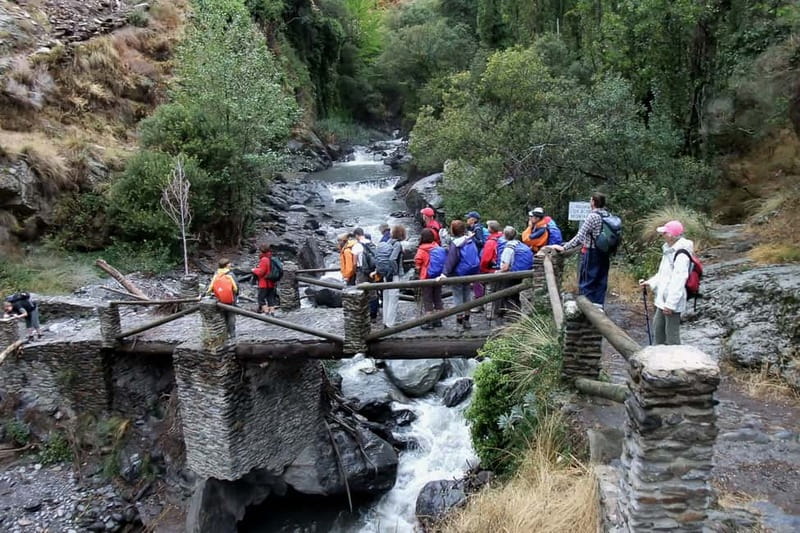
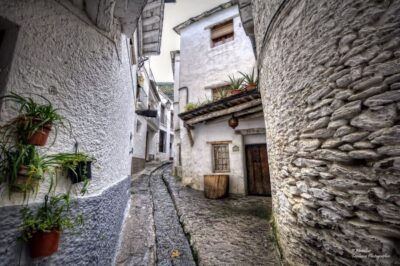
Pampaneira is your big free-time moment (about one hour). This is the time you stop listening for facts and start looking. The Alpujarra villages share that whitewashed look—often linked to Mozarabic-style tradition—so you’ll notice how buildings respond to steep terrain. It’s not just pretty; it’s functional. The village layout, narrow lanes, and hillside structures all make sense once you spend a little time walking.
Here’s how I’d use your hour:
- Start with an easy loop for photos, then head toward any viewpoint areas you can find quickly
- If you like shopping, this is usually where small items are easiest to browse without rushing
- Grab a snack or coffee, even if you think you’ll wait for lunch—mountain walking makes small hunger changes fast
Pampaneira also gives you a rhythm reset. By the time you get there, you’ve done the morning drive and your guide has set context. A free hour here feels like permission to slow down.
Portugos and Fuente Agria: the spring stop people remember
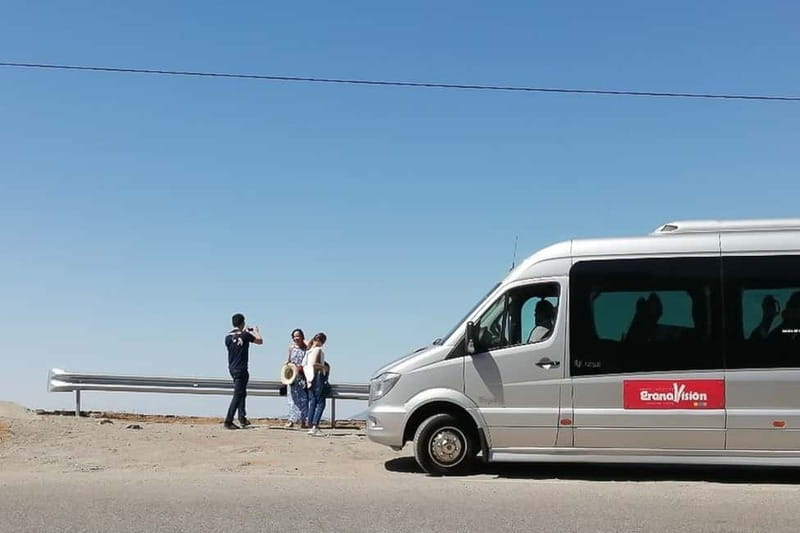
Next comes a must-stop feeling moment in Portugos, at Fuente Agria (the Fountain of Sourness). This is one of those stops that sounds simple until you learn the local reasoning. The water comes from the Sierra Nevada’s mineral sources, and historically it was used medicinally in the Alpujarra for its mineral concentration.
The practical value of this stop is twofold. First, it makes the whole day make sense. Why do people here build around water? Because water shapes health routines, daily schedules, and even local reputation. Second, it’s a break from constant village strolling. It’s a chance to stand still, read the environment, and then move on to the bigger highlight climbs.
If you’re expecting an amusement-park kind of “attraction,” temper that. The charm is in the place itself and the idea behind it—how water has been treated as part of local survival and wellness.
Trevélez: Spain’s highest village and the ham side of life
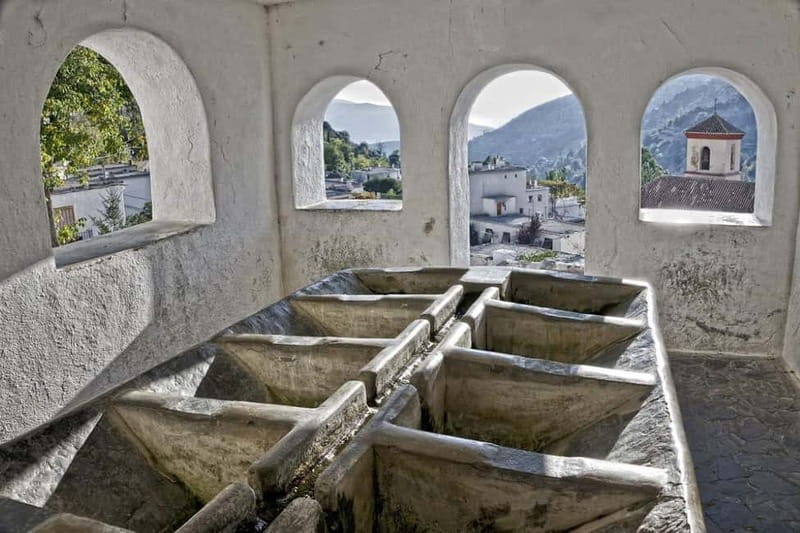
Trevélez is the highlight for many people, and it earns it. You’ll get a guided tour (about an hour), and the big reason is clear: Trevélez is widely known as Spain’s highest village, and cured ham is the star of the story. The mountain conditions here matter because ham-curing relies on specific drying climate patterns. That’s why you’re not just tasting a product—you’re learning how the environment produces it.
During your time in Trevélez, you’ll also have local tasting experiences focused on locally made products. You might see ham and other cured items, and you’ll get the “what to look for” context from your guide. Some days also include extra food moments such as chocolate tastings as a bonus, so keep an open mind when the schedule offers you something additional.
Two practical considerations:
- Trevélez time is guided, so you’ll want your questions ready. Ask about drying conditions, local traditions, or how the village life works.
- Don’t plan your day like it’s a strict sightseeing sprint. Trevélez is also about smelling, tasting, and understanding why the village is famous.
Capileira: mountain views and a calmer break before the meal
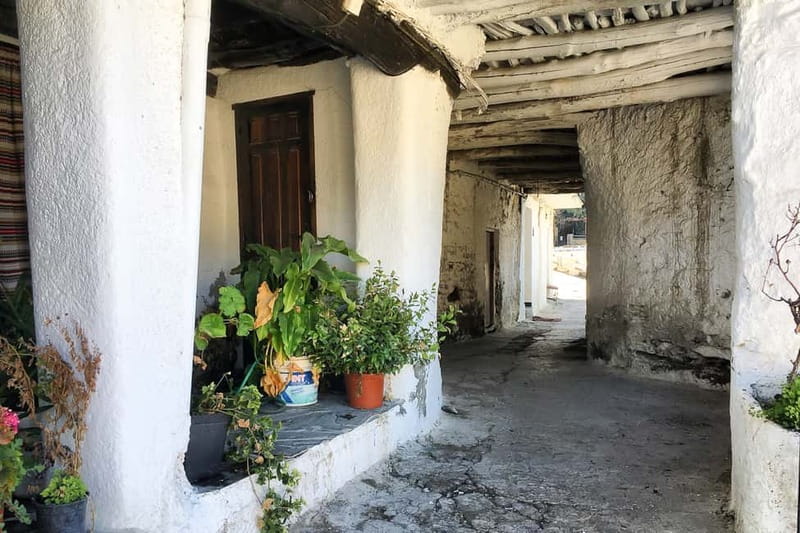
Capileira is your final major village stop, with a break time of about 1.5 hours. This is a viewpoint-heavy part of the day because Capileira sits high and dominates the Barranco del Poqueira valley. If you like a good “pause and look” moment, this is it. You’ll also see how the village clusters in steep terrain—again, not just for aesthetics, but because hillside living forces creativity.
This stop is a great time to do the things you didn’t get to in earlier free time:
- Find a viewpoint for photos
- Take a slower walk and people-watch
- Pick up small crafts if you’re planning souvenirs (without turning the day into a shopping mission)
If you’re booking the traditional lunch option, Capileira is where that meal context often comes together. That lunch, served in a relaxed setting with mountain backdrop energy, is part of why the day feels complete.
Traditional Alpujarreño food: lunch option vs. tastings only
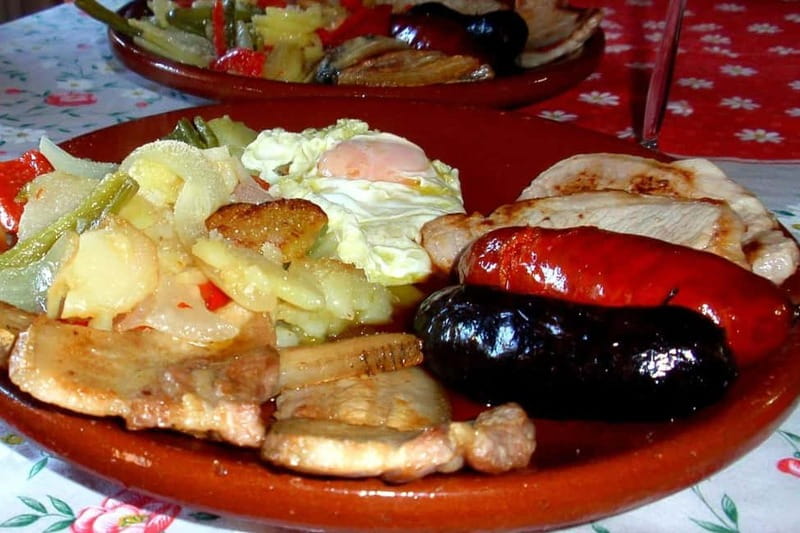
Food is a major part of this tour. Even if you don’t choose the lunch option, the day includes tastings tied to local products. But the tour really clicks when you add the traditional lunch and drink.
When you book the meal option, you’ll get a traditional lunch in the final village, along with a drink. The exact dish can vary by what’s offered, but the intent is consistent: Alpujarreño comfort food that reflects the region’s mountain ingredients and food culture. In addition, you’ll typically get tapas-style tasting experiences tied to cured meats and local pairings.
My advice is simple: if you’re hungry for more than snacks, choose the lunch option. Several people highlight that it’s filling—more than you expect—so plan your walking accordingly and don’t overpack your stomach for breakfast.
If you prefer lighter food, don’t worry—you can treat the tastings as samples and keep lunch as your main meal. The key is to time it right, so you’re not trying to tour villages with a food coma.
Crafts and shopping breaks: jarapas, doilies, baskets, and carpets
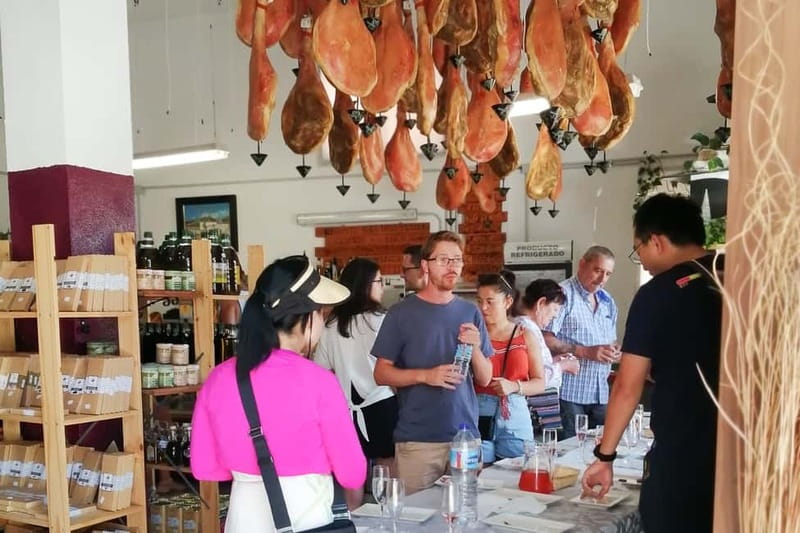
This is also a shopping-friendly day, but it’s not supposed to be a trap. You may stop where locals make or sell traditional items like straw baskets and colorful woven pieces (including doilies and carpet-type textiles). The point here isn’t to pick up a perfect bargain; it’s to see the labor behind what you’re buying.
One craft detail I’d watch for is jarapas—woven goods connected with local weaving traditions. You might also spot mats woven with recycled cotton, depending on the specific shop stop.
If you love authentic souvenirs, this is where you can buy gifts that feel tied to daily life rather than mass tourism. Just keep your budget and your packing situation in mind. Textiles can be heavy once they’re real and durable.
How long is the day, and where timing can feel tight
The tour runs 8–10 hours. That’s long enough that you’ll want to treat the day like a full outing, not a quick detour. The early driving and mid-day village stops stack up, and some parts of the schedule are intentionally paced to reduce stress for the group.
The way to make it work for you:
- Eat something small before pickup if you tend to get hungry early
- Bring water for the walking segments
- Wear shoes that work on uneven, sloped streets
There’s also the “waiting time math.” Stops like Lanjarón and Pampaneira are time-boxed, while Trevélez and Capileira have guided or break structures that help you manage your energy. If you keep your expectations aligned—good photos, short walks, and tastings rather than hours-long wandering—you’ll enjoy it.
And yes, weather matters. In winter, it can be colder and windier in the villages. Pack a warmer layer than you think you need.
Who this tour suits (and who might want a different plan)
This tour is ideal if you:
- Want a countryside day without the hassle of driving through mountainous, curvy routes
- Like guided explanations that connect architecture, food, and water culture
- Want a taste of what life is like outside Granada in the Sierra Nevada orbit
- Appreciate food experiences, especially cured ham and traditional regional meals
It’s also a strong choice after a busy Granada week. You get a break from big-ticket sights and replace it with airier village time and mountain viewpoints.
Who might not love it as much:
- If you hate long days or long coach rides
- If you want lots of free time in a single village rather than short visits across multiple places
- If your perfect travel day is strictly unscheduled and you dislike set stop durations
Should you book the Granada to Alpujarra tour?
I’d book it if you want value that comes from structure. At $80 per person for an all-day itinerary, hotel pickup, a local guide, multiple village stops, and food experiences (including an optional traditional lunch and drink), the day is designed to deliver more than one “pretty stop.” You’re getting context: water lore at Fuente Agria, the ham-making logic at Trevélez, and the viewpoint payoff at Capileira.
If you’re deciding between food-free scenery and a more complete cultural day, this tour leans toward the full package. The best move is to choose the lunch option so you’re not only tasting—so you can actually sit down and enjoy what the day has been building toward.
FAQ
How long is the Granada to Alpujarra mountain villages tour?
It runs about 8 to 10 hours.
Where does the tour pick you up in Granada?
Pickup is from multiple central Granada hotel locations.
Which villages and stops are included?
Key stops include Lanjarón, Pampaneira, Trevélez, Capileira, and a stop in Portugos at Fuente Agria.
Is lunch included?
Traditional lunch and drink are included only if you choose the lunch option.
Do you get tastings on the tour?
Yes. The tour includes tasting Alpujarreño-style food and local products, with ham tasting mentioned as part of the experience.
What languages is the guide available in?
The live guide speaks Spanish and English.
Is there an option for a private group?
Yes, private group availability is listed.
What should I bring?
Bring a passport or ID card.
Is it cancellable if my plans change?
You can cancel up to 24 hours in advance for a full refund.
Can I reserve without paying right away?
Yes, reserve now and pay later is available.
The White Villages of the Alpujarra
- From Granada: Alpujarra Villages Guided Day Tour
★ 4.8 · 217 reviews - Premium Scenic Daytrip to Alpujarra Villages from Granada (Max 8)
★ 4.5 · 156 reviews - Las Alpujarras Full-Day Tour with Optional Lunch from Granada
★ 4.5 · 133 reviews - Alpujarra Private DayTrip from Granada
★ 5.0 · 26 reviews - Alpujarras Day Trip Private or Small Group Tour
★ 4.5 · 12 reviews
Just added to our Granada notebook
- Antequera and Torcal from Granada in a small group up to 7 people★ 4.5 · 3 reviews
- Granada: Alhambra tickets and other attractions★ 5.0 · 3 reviews
- Alhambra and Albaycin Private Tour★ 3.5 · 3 reviews
- Alhambra and Albaicin Private Tour with official Guide★ 3.5 · 3 reviews
- Cathedral and Royal Chapel Premium tour★ 4.5 · 3 reviews
Alpujarra Village Day Trips, compared.
 ★ 4.8From Granada: Alpujarra Villages Guided Day TourFrom $108217 reviews
 ★ 4.5Premium Scenic Daytrip to Alpujarra Villages from Granada (Max 8)From $139156 reviews
 ★ 4.5Las Alpujarras Full-Day Tour with Optional Lunch from GranadaFrom $102133 reviews
 ★ 5.0Alpujarra Private DayTrip from GranadaFrom $38526 reviews
 ★ 4.5Alpujarras Day Trip Private or Small Group TourFrom $15012 reviews
 ★ 4.6From Granada: Day Trip to Trevélez with Ham FactoryFrom $11712 reviews
 ★ 5.0The Unchanged Villages of Alpujarra Small-Group Guided Day TripFrom $3117 reviews
 ★ 4.5Day trip in Trevélez and a visit to ham drying factoryFrom $1366 reviews
Browse the lists this tour appears in