
Reviewed · ALBAICíN & SACROMONTE WALKS
Tour Granada from its Origin; Albaicín
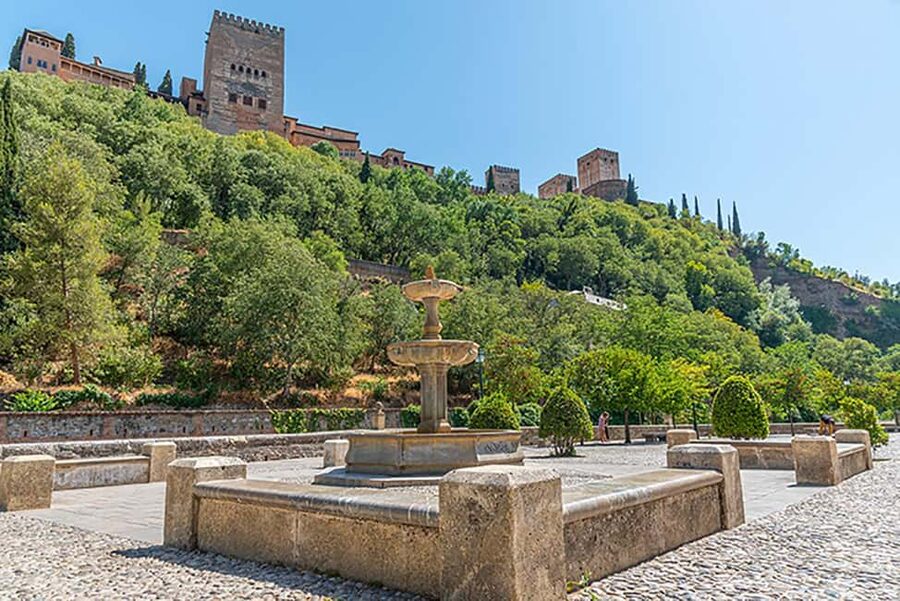
Granada hits you fast, starting with an old city gate. I like how this 2-hour guided walking tour strings together monuments and neighborhoods into one easy story, and I love that you get viewpoint time plus a real look inside a Carmen house instead of just peeking from the street. The main drawback is simple: Granada is hilly, with cobblestones and stairs, so you should wear good shoes and expect a workout.
You’ll meet at Puerta de Elvira with an official/local accredited guide and finish at Plaza Nueva. Guides like Daniel and Marta come through with lots of information without rushing, plus a habit of answering questions and keeping the group engaged, which is a big reason the tour holds a strong 5-star average.
In This Review
- Key things I’d plan around before you go
- A Two-Hour Taste of Granada’s Hilltop Origins
- Meeting at Puerta de Elvira: where your bearings start
- Puerta Monaita and the gates that explain the city
- Mirador de la Lona: a quick photo stop with a payoff
- San Miguel Bajo and Santa Isabel la Real: faith, place, and perspective
- Plaza de San Nicolás: the viewpoint that earns its reputation
- Paseo de los Tristes: walking the city’s mood
- Bañuelo and the texture of old Granada
- Casa Carmen: seeing a typical Granada home
- Plaza Nueva and the Santa Ana area: where the walk lands
- Price and pace: is $17 good value for Granada?
- Who this tour suits best (and who should skip it)
- Practical tips so the hills don’t steal your fun
- The biggest win: a guide who can answer questions
- Should you book Granada from its Origin; Albaicín?
- FAQ
- How long is the tour?
- Where does the tour start and where does it end?
- Is the tour guided in English?
- What’s included in the price?
- Are food and drinks included?
- Is it suitable for wheelchair users or people with mobility impairments?
- What should I bring?
Key things I’d plan around before you go
- A true hilltop walk: expect ups, downs, and stairs on cobblestones.
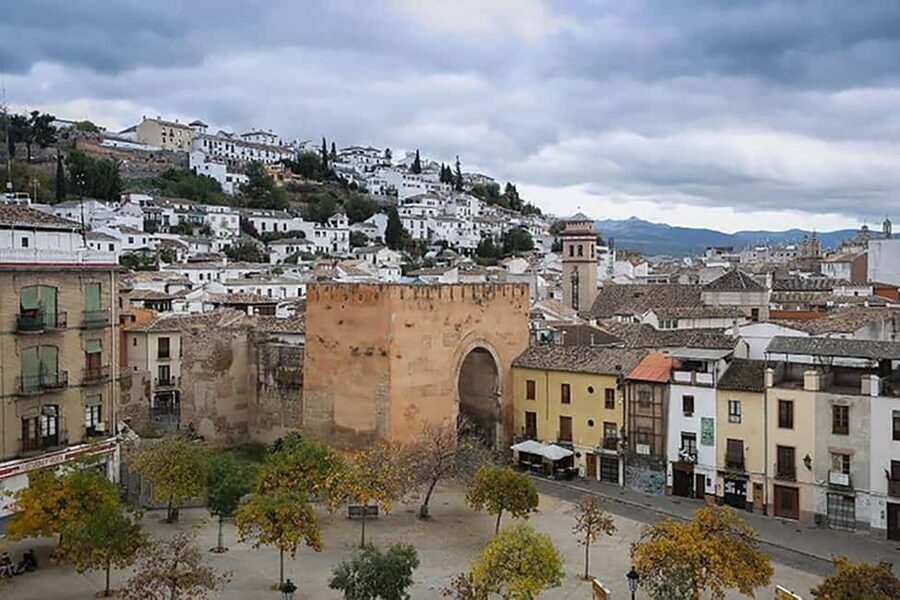
- Viewpoints aren’t afterthoughts: Mirador de la Lona and Plaza de San Nicolás get real photo-and-explain time.
- You’ll see the Albaicín foundations: Puerta de Elvira and Puerta Monaita frame how Granada grew.
- Casa Carmen access: you get inside a typical Carmen house, not just exterior photos.
- History with practical directions: stops connect to the city’s origin and development across civilizations.
- Guide-led extras: recommendations for gastronomy and culture are part of the value, and guides like Marta are praised for sharing extra treats and tips.
More walks through the Albaicin lanes and up to Sacromonte
- Granada: Albaicín and Sacromonte Guided Sunset Walking Tour
★ 4.9 · 2,962 reviews - Sacromonte: Flamenco Show at Cuevas Los Tarantos Tickets
★ 4.5 · 2,051 reviews - Granada: Flamenco Show in Albayzín – Jardines de Zoraya
★ 4.7 · 1,375 reviews - Albaicin & Sacramonte Electric Bike Tour in Granada
★ 5.0 · 1,044 reviews
A Two-Hour Taste of Granada’s Hilltop Origins
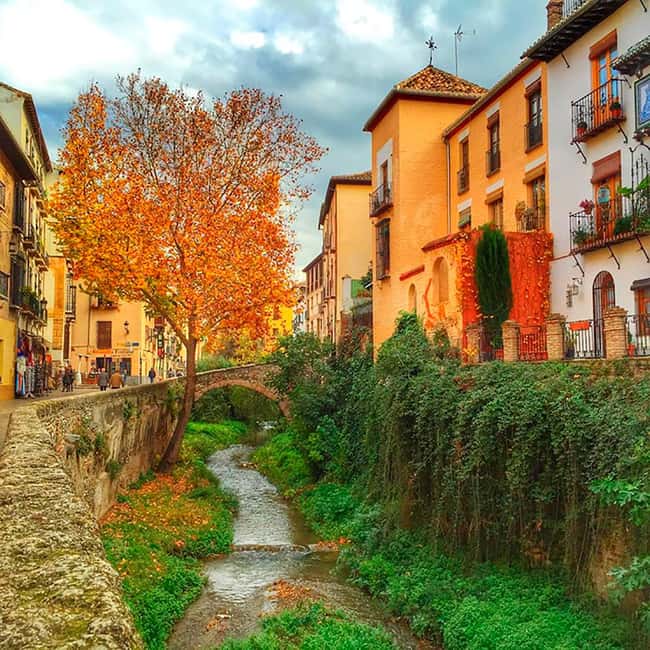
This isn’t a “see everything in Granada” tour. It’s a smart slice that focuses on the city’s origin areas and the Albaicín hill neighborhoods, where Granada’s layers show up in streets, stonework, and sightlines.
In just two hours, you’ll get a walking framework for the city: where to look, why certain buildings matter, and how the miradors shaped daily life. It’s ideal when you’re only here for a short window, or when you want to understand what you’ll later explore on your own.
Meeting at Puerta de Elvira: where your bearings start
You begin right by Puerta de Elvira, one of the city’s gateway points that helps you “read” Granada as a place that grew outward from its historic core. Your guide will have official accreditation and you can spot them easily with it on.
From the first minutes, you’re not just moving between landmarks. You’re learning what to notice while you walk. That makes the rest of the trip faster and more enjoyable, because you’re not wondering what you’re looking at every ten steps.
Puerta Monaita and the gates that explain the city
After the Arc of Elvira, you head to Puerta Monaita. This gate stop is short, but it’s the kind of moment that helps you understand how movement through the city shaped where people lived, prayed, traded, and gathered.
Why it matters: gates are more than pretty stone. They’re the city’s boundaries, and the guide’s job is to show you how those edges became routes through daily life. If you like history but hate lectures, this is a good balance: quick context, then you move on.
Mirador de la Lona: a quick photo stop with a payoff
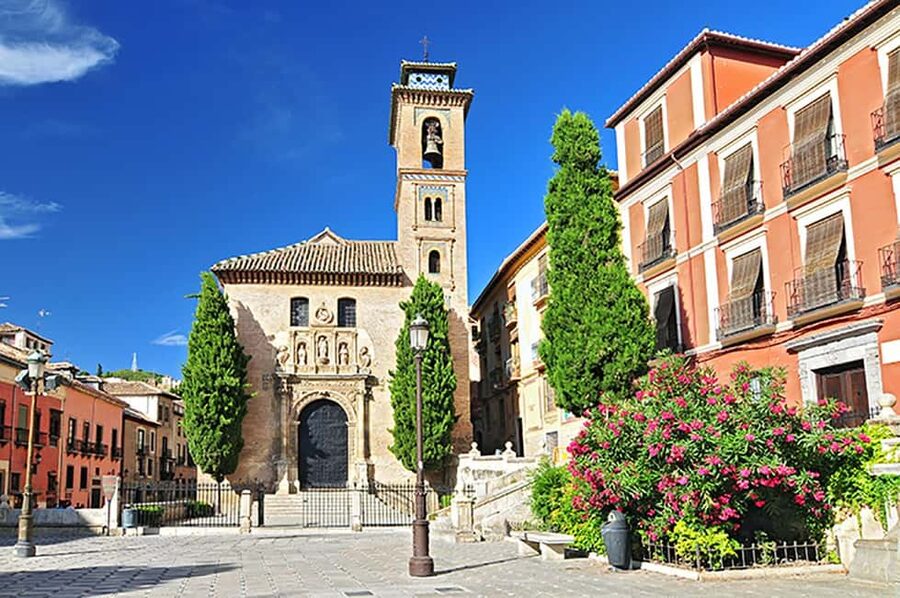
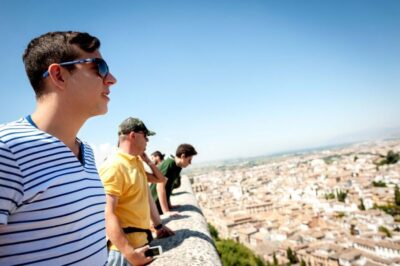
Next comes Mirador de la Lona for photos and sightseeing time. The time here is brief, but it works because the guide uses it to point out what you’re seeing—so your pictures match the story, not just the view.
This is also where you’ll notice the tour’s rhythm: the guide builds in short pauses that don’t derail the pace. You’ll keep walking, but you won’t feel rushed past the best angles.
San Miguel Bajo and Santa Isabel la Real: faith, place, and perspective
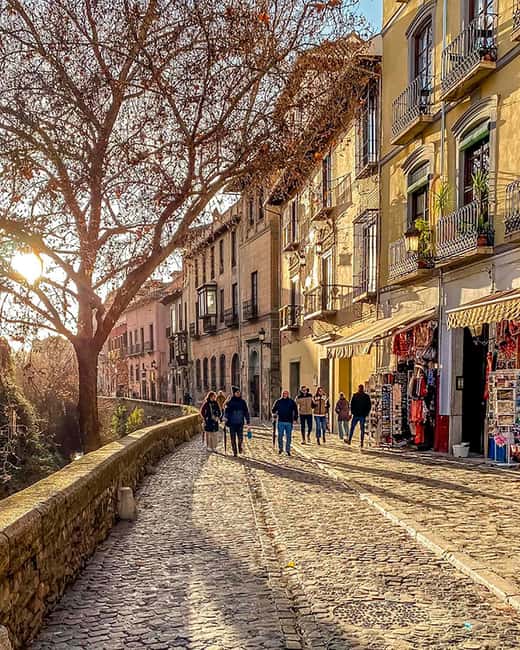
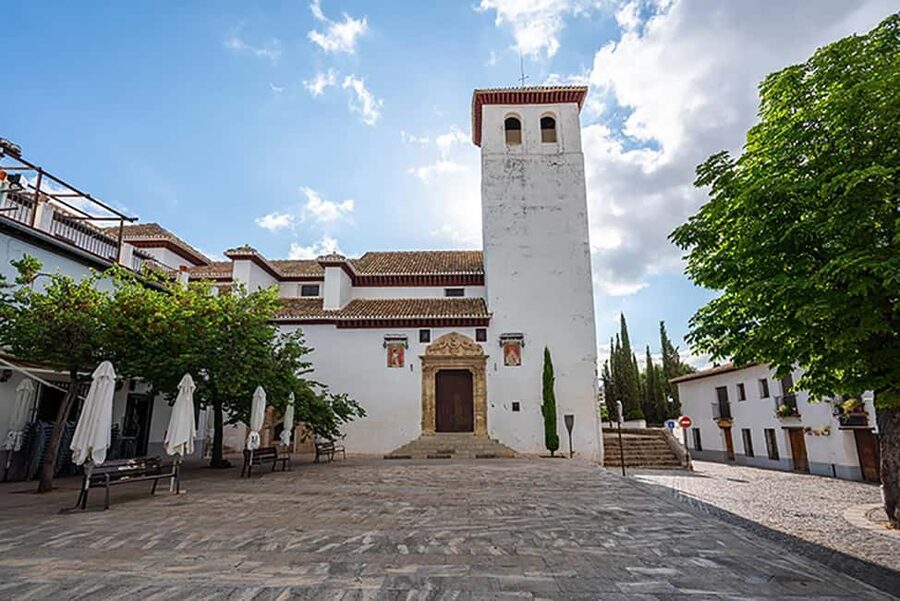
You’ll then visit the Church and Square of San Miguel Bajo and later the Royal Convent of Saint Isabel (often referred to as Santa Isabel la Real). These stops are about more than stopping in front of doors and snapping one photo.
What makes them worth your time is how your guide connects buildings to the neighborhood’s development. Even in a compact tour, you can start to see how Granada’s religious spaces weren’t separate from street life. They shaped the rhythm of the area.
Plaza de San Nicolás: the viewpoint that earns its reputation
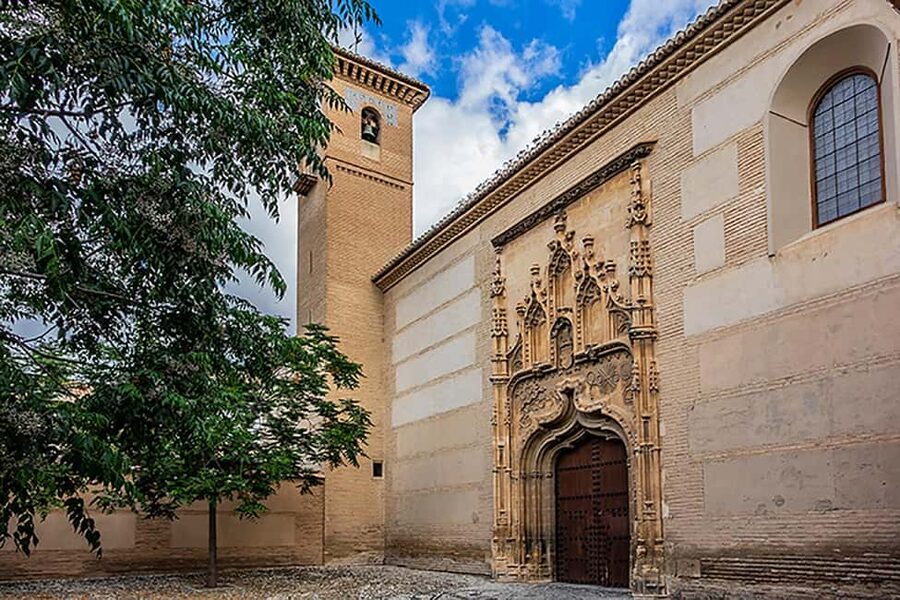
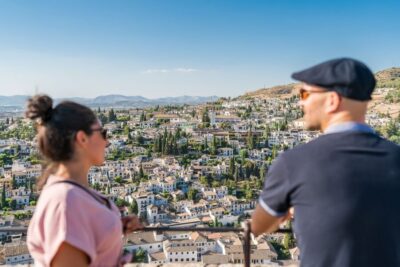
The tour’s big viewpoint moment is Plaza de San Nicolás, including time to see the view and take pictures. This is one of the classic Albaicín outlooks, but the value here is what your guide does around it: they help you orient yourself so the view feels like a map, not just a postcard.
This is also where the best guides shine. Daniel and Marta are both praised for keeping information clear and for answering questions without dragging the group. If you’re the type who always asks why something is where it is, this stop is a great place to do it.
Tip: have your camera ready, but also look up from it. The guide will likely point out details that make you slow down for the right reasons.
Paseo de los Tristes: walking the city’s mood
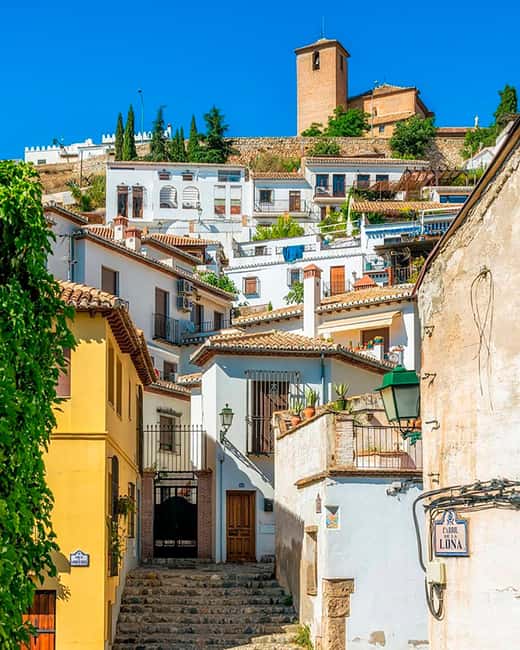
After the viewpoint, you’ll walk along Paseo de los Tristes, with a longer chunk of time built in. This stretch is known for its atmosphere, and on a guided walk it becomes more than scenery.
You’ll get stops and photo moments, plus context tied to the neighborhood’s evolution. This part of the tour is where you start feeling like you’re moving through Granada rather than ticking off sights.
Bañuelo and the texture of old Granada
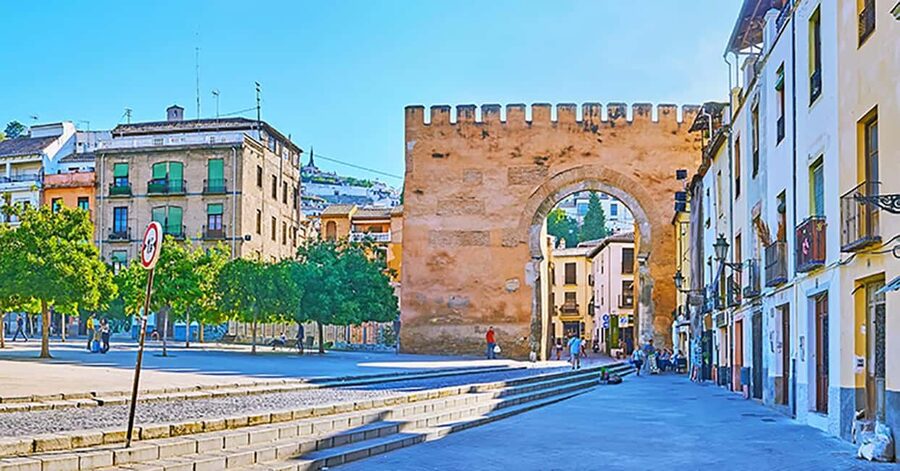
Along the way, you’ll pass the Bañuelo. Even if you don’t spend long staring at a single feature, the point of this stop is to add texture to your mental picture of the area.
A lot of people come to Granada for the dramatic viewpoints and the big monuments. The Bañuelo reminder helps balance that by steering your attention toward smaller, historical elements that still matter to how the neighborhood feels.
Casa Carmen: seeing a typical Granada home
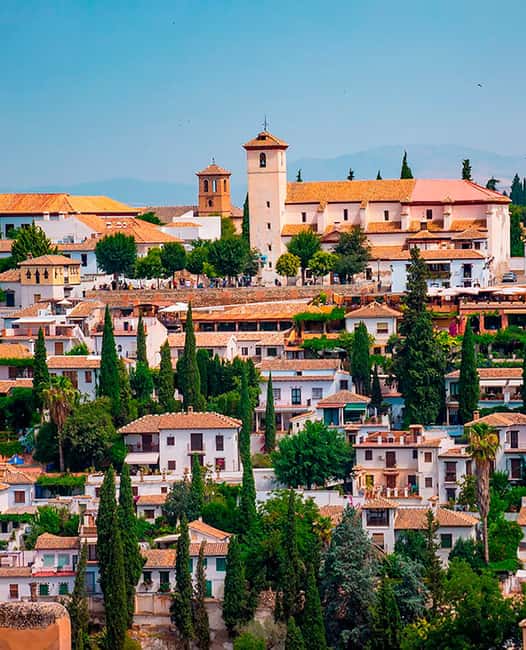
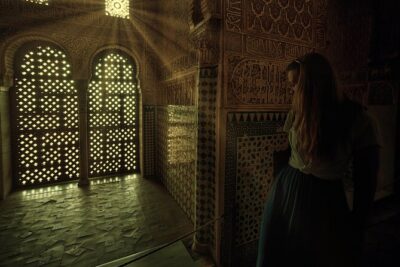
One of the most meaningful inclusions is the visit to Casa Carmen—access to a typical Carmen house. This is a rare kind of stop on short tours, because you’re not just observing from the street. You get inside, which changes how you understand the architecture and the way these houses fit into the hilltop life.
Carmen houses are tied to Granada’s domestic culture: courtyards, gardens, and a layout designed for the terrain. When your guide explains what you’re seeing, it stops being decorative trivia. It becomes a way to understand why Albaicín looks the way it does.
If you care about how people actually lived—how spaces work, not just what’s famous—this is the moment you’ll remember later when you wander on your own.
Plaza Nueva and the Santa Ana area: where the walk lands
The tour finishes near Plaza Nueva, with time to see it as a key hub. Before that, you’ll also pass key landmarks including Iglesia de San Gil y Santa Ana and the Palacio de la Real Chancillería.
These are “power and people” kind of buildings. Churches express belief and community presence. The Royal Chancillería connects to Granada’s official and legal history. On a guided walk, the best part is that you’re not just reading plaques—you’re linking them back to the route you already walked.
When you end in Plaza Nueva, you’ll have a clearer sense of where you are and how to continue your day—whether that means heading toward more sights, grabbing a snack, or simply looping back through the streets with better instincts.
Price and pace: is $17 good value for Granada?
At $17 per person for two hours, the value is pretty strong, especially because you’re not just getting a viewpoint tour. You’re getting:
- an official local guide
- focus on Albaicín and Centro Histórico
- access to Casa Carmen
- gastronomy and culture recommendations
That “access” piece matters. A tour that only stands outside buildings can feel like sightseeing. Here, the Casa Carmen access adds substance for the same short time window.
One thing to factor in is effort. This is walking with climbs. If you’re looking for a totally gentle stroll, you might find the pace and terrain tiring. If you’re okay with hills and want maximum understanding per hour, you’ll feel like you’re getting your money’s worth.
Who this tour suits best (and who should skip it)
This tour is a great match if you want a guided structure for Granada and plan to explore afterward on your own. It’s also ideal if you like asking questions and getting direct answers, since the guides are praised for being attentive and for encouraging questions.
It’s not a good fit for mobility impairments or wheelchair users, and you should think twice if you know you struggle on cobblestones and stairs. In other words, if your legs are reliable, you’ll have a much better experience.
English is the working language for the live guide, so it’s practical if you want the explanations in English rather than relying on your own interpretation.
Practical tips so the hills don’t steal your fun
Granada is hilly, and this route includes cobblestone stretches and stairs. Build your comfort around that, and the tour becomes enjoyable instead of annoying.
Bring:
- comfortable shoes
- water
- camera
- weather-appropriate clothing
And do this on the spot: if you feel like you’re hitting your limit, contact the guide. The tour notes that the guide can recommend the best option if you have difficulty. That kind of flexibility can keep a “stop and suffer” walk from turning into a “we’ll handle it” walk.
The biggest win: a guide who can answer questions
The most consistent praise isn’t just about views. It’s about communication. Daniel is highlighted for giving lots of information without rushing and for answering questions. Marta is praised as attentive and for sharing extra ideas that go beyond the basics, including secret treats and a personal touch.
That matters because walking tours can sometimes feel like memorized scripts. Here, the guide-centered style seems to make the tour feel like a conversation with a local—short, structured, but still human.
If you want the best experience, come with a few questions in your pocket. Why did the city develop here? What should I eat nearby? Which neighborhood should I visit next? Then use the stops—especially Plaza de San Nicolás and the religious sites—to ask.
Should you book Granada from its Origin; Albaicín?
Book it if:
- you have limited time and want a focused introduction to Albaicín
- you want viewpoint time plus Casa Carmen access
- you like guides who explain clearly and answer questions, like Daniel and Marta are known for
Skip or consider alternatives if:
- stairs and uneven cobblestones are a problem for you
- you want a low-effort, mostly flat walk
For most visitors, this is a smart first step in Granada. It gives you a walking map of the city’s origin areas and teaches you what to look for when you go exploring later. In a place made of hills, it’s also a nice way to understand the city without trying to figure everything out alone.
FAQ
How long is the tour?
The tour lasts 2 hours.
Where does the tour start and where does it end?
It starts at Puerta de Elvira and finishes at Plaza Nueva.
Is the tour guided in English?
Yes, it’s a live tour guide in English.
What’s included in the price?
Included are an official local guide, visits to Albaicín and Centro Histórico, access to Casa Carmen, and recommendations for gastronomy and culture.
Are food and drinks included?
No. Food and drinks are not included.
Is it suitable for wheelchair users or people with mobility impairments?
No. It’s not suitable for people with mobility impairments or wheelchair users.
What should I bring?
Bring comfortable shoes, a camera, water, and clothing appropriate for the weather.
Up Through the Albaicin and Sacromonte
- Granada: Albaicín and Sacromonte Guided Sunset Walking Tour
★ 4.9 · 2,962 reviews - Sacromonte: Flamenco Show at Cuevas Los Tarantos Tickets
★ 4.5 · 2,051 reviews - Granada: Flamenco Show in Albayzín – Jardines de Zoraya
★ 4.7 · 1,375 reviews - Albaicin & Sacramonte Electric Bike Tour in Granada
★ 5.0 · 1,044 reviews - Granada: Albaicin and Sacromonte E-Bike Tour
★ 4.9 · 852 reviews
Just added to our Granada notebook
- Antequera and Torcal from Granada in a small group up to 7 people★ 4.5 · 3 reviews
- Granada: Alhambra tickets and other attractions★ 5.0 · 3 reviews
- Alhambra and Albaycin Private Tour★ 3.5 · 3 reviews
- Alhambra and Albaicin Private Tour with official Guide★ 3.5 · 3 reviews
- Cathedral and Royal Chapel Premium tour★ 4.5 · 3 reviews
Albaicín & Sacromonte Walks, compared.
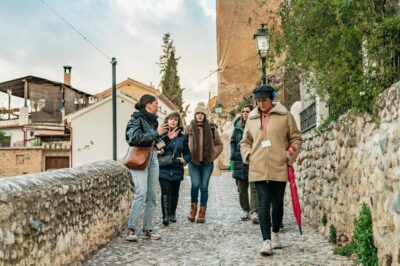 ★ 4.9Albaicín and Sacromonte Guided Sunset Walking TourFrom $172,962 reviews
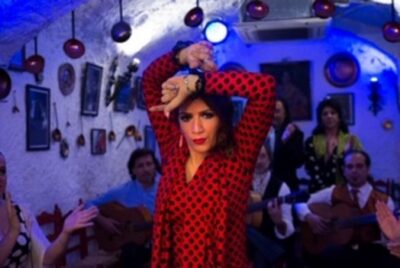 ★ 4.5Sacromonte: Flamenco Show at Cuevas Los Tarantos TicketsFrom $332,051 reviews
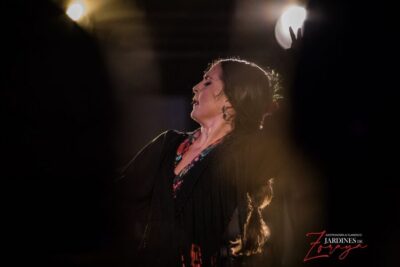 ★ 4.7Flamenco Show in Albayzín – Jardines de ZorayaFrom $221,375 reviews
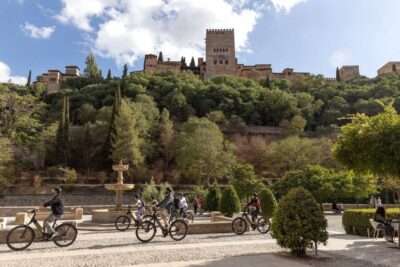
 ★ 5.0Albaicin & Sacramonte Electric Bike Tour in GranadaFrom $541,044 reviews
 ★ 4.9Albaicin and Sacromonte E-Bike TourFrom $53852 reviews
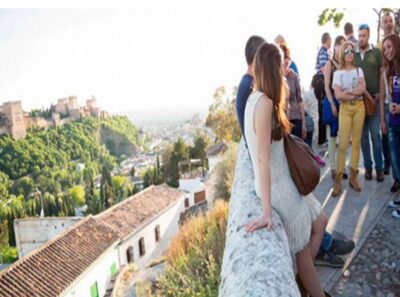 ★ 4.7Albaicín and Sacromonte 2.5-Hour Walking TourFrom $23777 reviews
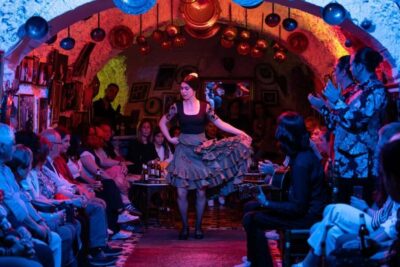 ★ 4.7Los Amayas Cave Flamenco Show in SacromonteFrom $26684 reviews
 ★ 4.5Albaicín and Sacromonte Walking TourFrom $18665 reviews
Browse the lists this tour appears in