
Reviewed · SIERRA NEVADA PEAKS & SKI
Granada: Small Group Tour to Sierra Nevada
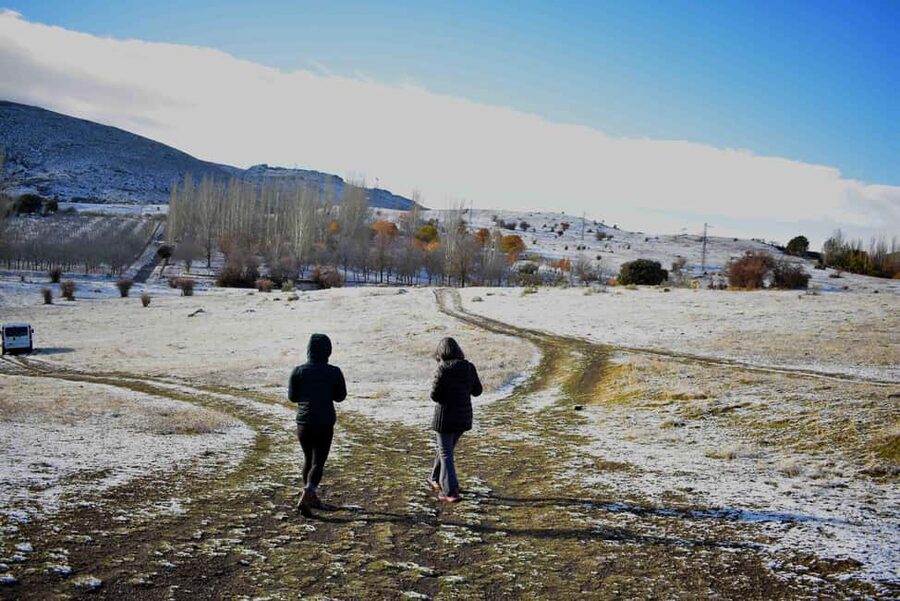
Sierra Nevada feels close enough to touch. This Granada to Sierra Nevada small-group tour takes you toward the north face by van, then off the main road to viewpoints where the mountain’s altitude and atmosphere really hit home. I love the high-altitude drive aspect and the slow, sensory pace that makes flora and fauna feel part of the story, not just sightseeing. One consideration: timing can be less predictable if the transport plan changes, so I’d keep your schedule flexible.
The guide leads in Spanish, English, and Portuguese, and you also get professional photos taken along the way, plus water and a cereal bar for the road. If you’re prone to motion sickness, note that it’s not considered suitable for that, and the terrain won’t work for wheelchair users or people with mobility impairments.
In This Review
- Key highlights I’d pencil in first
- How the north face van ride changes what you see from Granada
- Altitude by road: what reaching the highest drive-allowed point actually feels like
- Reading Sierra Nevada: geography, plants, animals, and seasonal details
- The route rhythm: main road climb, detours, and a return that doesn’t feel rushed
- What you get for $55: value beyond the viewpoint
- Guide impact: what Júlio Ferreira brings to the day
- What to bring for Sierra Nevada: pack like the weather can surprise you
- Who this tour suits best (and who should skip it)
- Booking checklist: timing, expectations, and how to get the best day
- Should you book this Sierra Nevada tour from Granada?
Key highlights I’d pencil in first
- Small group of up to 8: more time to ask questions and stop for the moments that matter.
- Off-main-road detours for views: you’re not just driving past the mountain; you’re getting angles that feel remote.
- Seasonal sensory stops: forests, lagoons, butterflies, goats, migratory birds, and the smell of thyme, rosemary, and lavender.
- Go to the highest road point allowed: the goal is altitude by vehicle, with a payoff in atmosphere and perspective.
- Photos included: a real convenience when you want to focus on the view instead of juggling your phone.
- Practical inclusions for the walk-ready crowd: water, a cereal bar, and walking sticks if you need them.
More trips up into the Sierra Nevada, snow or sun
- From Granada: Sierra Nevada Safari up to 2500 meters high
★ 4.9 · 1,645 reviews - From Granada: Sierra Nevada Safari tour up to 2500 meters high
★ 5.0 · 673 reviews - From Granada: High Sierra Nevada hiking experience
★ 4.9 · 323 reviews - Sierra Nevada Small Group E-Bike Tour
★ 5.0 · 282 reviews
How the north face van ride changes what you see from Granada
This tour is built around one big idea: experience Sierra Nevada from the north face side, not as an abstract map point but as a place with mood, weather patterns, and living detail. You start in Granada and head out by van, initially using the main road to climb as far as vehicles are allowed. That matters because it trades uphill slog for a faster route to high elevation, where the air tends to feel sharper and the views start to make sense.
Then comes the part that often makes these trips feel worth the money: you leave the main road for picturesque spots. That shift is subtle in wording, but it’s huge in experience. On the main road, you tend to see the mountain at a distance. Once you’re off it, you get nearer sightlines, more texture in the terrain, and more chances to pause for photos and short looks around.
The van format also keeps the outing feeling relaxed. You’re not stuck in a big bus with thirty strangers, and you’re not forced into a long trek just to earn the scenery.
Altitude by road: what reaching the highest drive-allowed point actually feels like
The highlight is being at the highest point of the Iberian Peninsula that’s accessible by driving (as far as the road rules allow). I like this approach because it’s not all-or-nothing: you get the altitude payoff without the requirement of a full day of hiking.
What you’re chasing up there isn’t just height. It’s the combination of open air and silence. The tour is described as an activity where you notice your surroundings more carefully—less noise, fewer distractions, and more attention on what’s happening in the vegetation and the broader mountain environment. When you’re at elevation, even small natural changes stand out: light looks different, shadows move more noticeably, and the mountain’s slope and tree line become easier to read.
You’ll also get the mountain as a contrast to other European ranges. Sierra Nevada is high, but it’s its own kind of terrain. If you’ve seen the Alps or the Pyrenees from a distance, this is the moment where you understand that mountain regions can feel familiar and still be completely different.
Reading Sierra Nevada: geography, plants, animals, and seasonal details
The tour is not only about views. Your guide helps you understand the mountain: geography, fauna, and flora—in a way that connects what you’re seeing to why it’s there.
One of my favorite parts of this style of tour is the “watch for it” mindset. You’re told what to look for across seasons, and that makes the trip feel alive rather than scripted. Depending on when you go, you might notice forests, lagoons, and insect life like butterflies. You also may hear or spot signs of animals such as mountain goats, plus migratory birds through the soundscape.
Even the plant notes are part of the experience: thyme, rosemary, and lavender are mentioned as scents you could catch along the way. That’s not a throwaway detail. Smell is memory fuel. When a guide frames the plants you’re passing as real living neighbors instead of roadside decoration, your brain starts mapping the mountain faster.
And yes, the silence part matters. Mountains can feel loud in cities. Up here, the quiet is part of the show. You’ll likely find yourself slowing down naturally—less filming, more looking.
The route rhythm: main road climb, detours, and a return that doesn’t feel rushed
Because the itinerary isn’t built around a long list of named attractions, the pacing is more about the rhythm of leaving and returning. You start with the van climbing toward the highest point accessible by road. Then you break off the main road for picturesque stops, using those detours to give you angles and photo opportunities.
Practically, that means you should expect a mix of:
- time sitting and watching out the windows during the drive,
- time stopping to look and listen,
- and some time on foot where you’ll want closed-toe shoes and outdoor layers.
You end back where you started, so the outing is self-contained. That’s a comfort if you don’t want to coordinate transit afterward.
One timing note from real-world experience: while the duration is listed as 4 hours, there have been cases where the schedule slipped due to a broken bus and the group used a different car. In that situation, the trip ended sooner than expected. That doesn’t mean it will happen to you—but it’s a reason to build a buffer if you’re trying to fit this into a tight day.
What you get for $55: value beyond the viewpoint
At $55 per person for a 4-hour small-group experience, the value comes from what’s included and the format (not just the scenery). Here’s the practical breakdown:
- A small bottle of water plus a cereal bar: helpful when you’re climbing into cooler, drier air where you can feel hungrier faster.
- Walking sticks if needed: nice support if your legs need a hand without requiring you to bring gear.
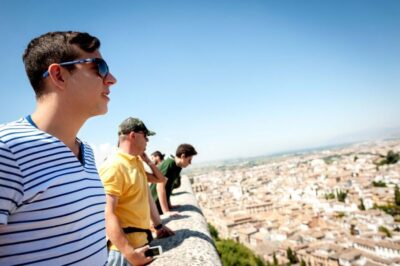
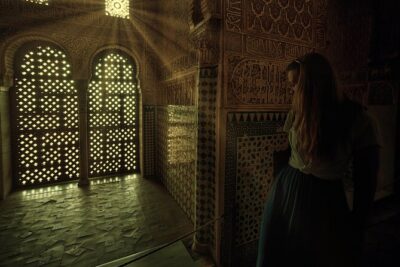
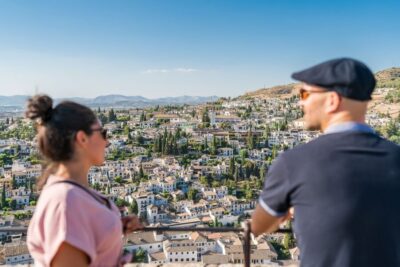
- Photos taken by the tour guide with a professional camera: this is the kind of inclusion that saves time and frustration. You don’t have to turn every stop into a photo production session.
- Civil responsibility insurance and accident insurance: peace of mind matters in mountain terrain.
The small group size (max 8) is also part of the value. In smaller groups, you get more questions answered, more chances for quick adjustments, and less waiting around. And if the guide spots something interesting—birds, insects, plant detail—there’s a better chance the group can see it rather than being rushed along.
Guide impact: what Júlio Ferreira brings to the day
The experience is strongly tied to guide quality, and one name shows up with real clarity: Júlio Ferreira. In the feedback, his style is described as attentive, patient, and enthusiastic—and that combination matters on a short trip. In four hours, you don’t have time for boring pacing. You need someone who can keep the group engaged and also handle questions without making it feel like a lecture.
What I like about this kind of guiding is that it turns stops into learning moments. He’s noted for deep regional knowledge and for being ready to explain interesting facts. That’s exactly what helps a mountain outing feel more like understanding than just driving to a view.
Language support is listed too: Spanish, English, and Portuguese. If you care about explanation depth in a specific language, you’ll be glad the tour is set up for multiple options.
What to bring for Sierra Nevada: pack like the weather can surprise you
Even if you’re traveling in spring or summer, this mountain can still ask for winter-like protection. The guidance is clear: check conditions in Monachil (a reference town) or ask the guide on the day. Then pack accordingly.
A solid packing list for this specific tour includes:
- Comfortable shoes (closed-toe) since you’ll be outside and likely walking on uneven ground.
- Sunglasses and sunscreen, plus biodegradable sunscreen (and biodegradable insect repellent).
- A hat and sunscreen protection for sun at elevation.
- Comfortable clothes that can get dirty, plus outdoor layers you don’t mind adjusting.
- Gloves, which surprises some people until they feel a cold breeze at altitude.
- Insect repellent, also biodegradable.
- Motion sickness prevention if you’re sensitive to winding mountain roads.
The key point: don’t assume the forecast at sea level equals the mountain’s conditions. Elevation changes everything—temperature, wind, and comfort.
Also, if you’re the kind of person who’s fine with a light jacket in the city, I’d still bring more. Days when you think it will be warm enough can still feel chilly once you climb.
Who this tour suits best (and who should skip it)
This is a good fit if you want a high-mountain experience without committing to a full-day hike. You’re getting altitude, nature details, and a guided explanation, all in a compact 4-hour format with a small group.
It’s especially appealing if you like:
- nature-focused travel that includes plants and animals,
- photography but also want a guide to help you look properly,
- seasonal changes and sensory details (smell, sound, and silence).
But there are clear limits. It’s not suitable for:
- wheelchair users or people with mobility impairments,
- people with motion sickness.
If you fall into either category, it’s worth choosing a different style of tour that better matches your needs.
Booking checklist: timing, expectations, and how to get the best day
Here’s how I’d set expectations so the day feels smooth:
- Treat it as a mountain experience, not a strict sightseeing circuit. You’re going to feel the atmosphere and learn the environment.
- Keep a little schedule wiggle room. The route depends on road and transport conditions, and there have been incidents where plans changed.
- Bring the practical items the tour asks for. Sunscreen, hat, closed-toe shoes, and biodegradable repellent aren’t suggestions meant to sound nice. They’re the difference between a comfortable day and a miserable one.
- If you’re unsure about weather, check Monachil or ask the guide before you head out. Even in warmer seasons, you might need extra layers.
And one more tip: with small groups, the guide can shift pacing based on what’s happening in the environment. If you’re flexible and ready to slow down for nature, you’ll get more out of the day.
Should you book this Sierra Nevada tour from Granada?
If you want a high-elevation Sierra Nevada experience with minimal fuss—plus nature talk, seasonal sensory moments, and included water, snack, and photos—this is a smart choice. The small group size is a real quality-of-life upgrade, and the north face approach gives you a different angle than the usual quick views.
I’d skip it (or at least consider alternatives) if you have mobility limits or motion sickness. And if your day is tightly scheduled, give yourself a buffer since transport timing can change if something breaks.
Overall, for a half-day mountain hit in Andalusia, this tour offers good value for the money and a day that feels like you’re actually inside Sierra Nevada, not just passing by it.
Up Into the Sierra Nevada
- From Granada: Sierra Nevada Safari up to 2500 meters high
★ 4.9 · 1,645 reviews - From Granada: Sierra Nevada Safari tour up to 2500 meters high
★ 5.0 · 673 reviews - From Granada: High Sierra Nevada hiking experience
★ 4.9 · 323 reviews - Sierra Nevada Small Group E-Bike Tour
★ 5.0 · 282 reviews - Granada: Alhambra and Sierra Nevada Sunset Views by E-Bike
★ 5.0 · 107 reviews
Just added to our Granada notebook
- Antequera and Torcal from Granada in a small group up to 7 people★ 4.5 · 3 reviews
- Granada: Alhambra tickets and other attractions★ 5.0 · 3 reviews
- Alhambra and Albaycin Private Tour★ 3.5 · 3 reviews
- Alhambra and Albaicin Private Tour with official Guide★ 3.5 · 3 reviews
- Cathedral and Royal Chapel Premium tour★ 4.5 · 3 reviews
Sierra Nevada Peaks & Ski, compared.
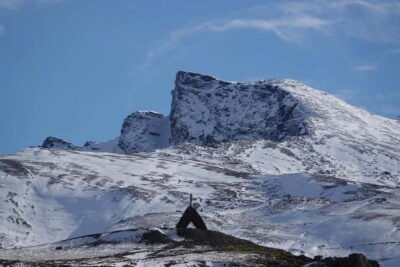 ★ 4.9From Granada: Sierra Nevada Safari up to 2500 meters high1,645 reviews
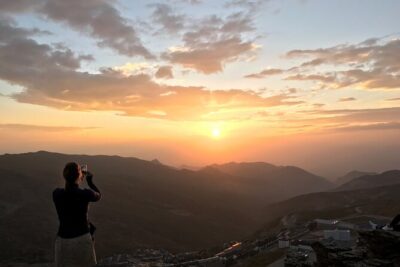 ★ 5.0From Granada: Sierra Nevada Safari tour up to 2500 meters highFrom $102673 reviews
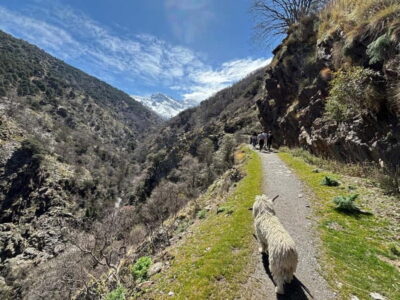 ★ 4.9From Granada: High Sierra Nevada hiking experienceFrom $69323 reviews
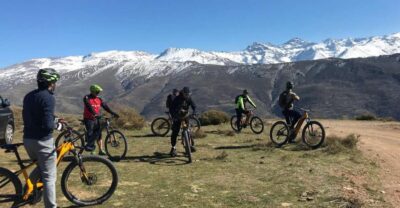 ★ 5.0Sierra Nevada Small Group E-Bike TourFrom $117282 reviews
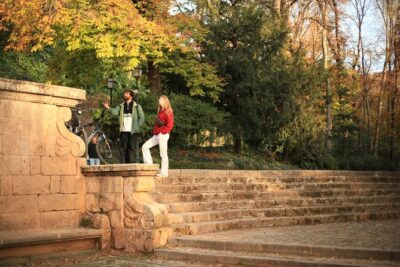 ★ 5.0Alhambra and Sierra Nevada Sunset Views by E-BikeFrom $54107 reviews
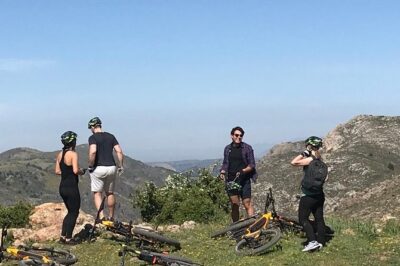 ★ 5.0Sierra Nevada Ebike Tour Small GroupFrom $12389 reviews
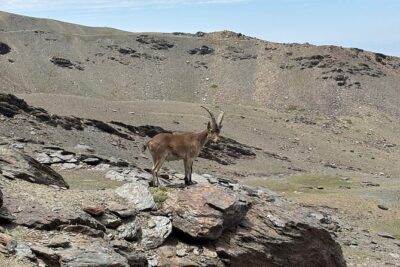 ★ 5.0Hiking experience in the High Sierra Nevada National ParkFrom $7188 reviews
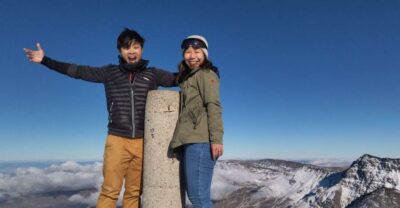 ★ 4.9Sierra Nevada Veleta Peak Trek with LunchFrom $11260 reviews
Browse the lists this tour appears in