
Reviewed · GRANADA
Exhibition Inquisition Instruments of Torture in Granada
If you can handle grim subjects, this is a fast way to see how power used fear. The exhibition takes place in the Palacio de los Olvidados, a restored 16th-century palace in Granada’s lower Albaicín, close to the Darro River and with an eye-level payoff toward the Alhambra.
What I love most is the setting: you’re not inside a generic museum box—you’re in a real old palace along steep, historic streets. I also like that the display focuses on the specific tools used by different inquisitorial courts, including the fact that Spanish ecclesiastical courts were comparatively sparing, with the garrucha (the water/hoist), the guitar, and the rack mentioned as the most-used.
One drawback to consider: it’s small, and based on typical visit lengths you should expect to finish quickly. If you’re hoping for a long, story-heavy history lesson of the Inquisition’s full social context, you may want something else to pair with it.
In This Review
- Key things to know before you go
- Palacio de los Olvidados in Granada: the location does half the work
- What you’ll actually see in “Inquisition, instruments of torture”
- The garrucha, the guitar, and the rack: why naming tools matters
- The pacing: a quick but meaningful stop (and who it suits)
- The value of $9: small ticket, big placement
- What the viewpoint adds: finishing with the Alhambra instead of a dead end
- Practical visit advice: make the most of a short time
- Hours and when to go: catch it before evening closes
- Who should book this and who should pair it with something else
- Should you book it?
- FAQ
- FAQ
- Where is the Palacio de los Olvidados?
- How much does the exhibition cost?
- How long does the visit take?
- Is there a mobile ticket?
- What is included in the ticket price?
- What are the opening hours?
- Can I bring a service animal?
- Is free cancellation available?
Key things to know before you go
- 16th-century palace setting: the building itself adds atmosphere, especially in the Albaicín area by the Darro River.
- A focused exhibition: a selection of instruments tied to inquisitorial courts, both ecclesiastical and civil.
- Specific tools are named: you’ll see references to the garrucha, the guitar, and the rack as commonly used in Spanish ecclesiastical practice.
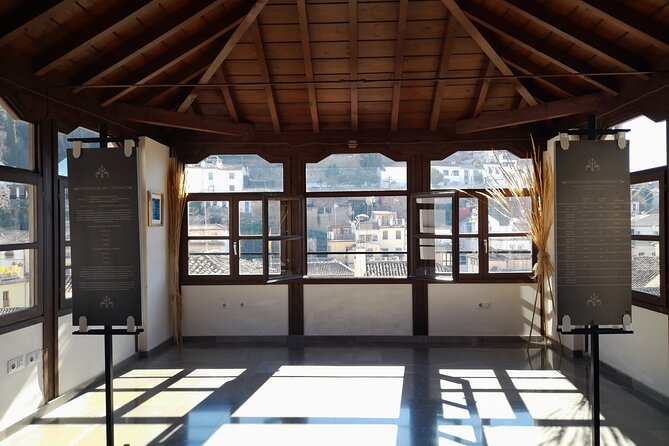
- Built-in viewpoint payoff: the visit ends with a fantastic view overlooking the Alhambra area.
- Short visit window: plan for a quick stop rather than an all-day deep education session.
Granada's museums and collections to duck into
- Granada: Albaicín, Sacromonte & Museum of Caves Walking Tour
★ 4.9 · 244 reviews
Palacio de los Olvidados in Granada: the location does half the work
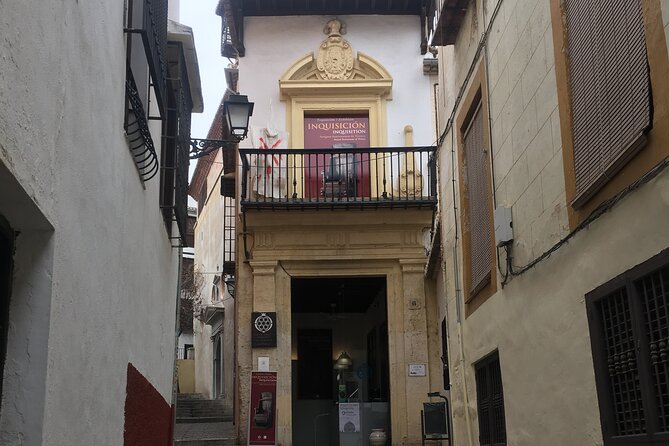
Granada is great at doing two things at once: steep streets and big history. This stop works because it’s placed in the lower Albaicín, on the Santa Inés slope, where the lanes feel like they’ve been holding their breath for centuries. You’re also right in the “almost there” zone—close enough to the Alhambra that you’ll feel the atmosphere without having to commit to an all-day Alhambra plan.
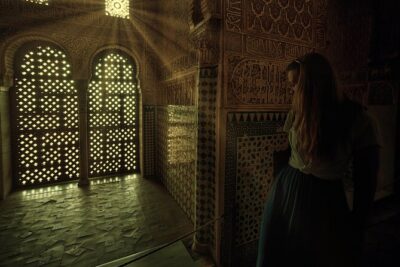
The Palacio de los Olvidados itself is a 16th-century construction that’s been restored. That matters. A restored historic palace has its own texture—thicker walls, odd angles, and a sense of scale that you simply don’t get in modern exhibition halls. Even if the subject matter is heavy, the space keeps the experience grounded and real.
And then there’s the water-and-stone vibe. Being by the Darro River means you’re walking through an area that’s already cinematic. If you like pairing cultural stops with views, this place gives you a natural rhythm: explore, absorb, look out, and reset your brain.
What you’ll actually see in “Inquisition, instruments of torture”
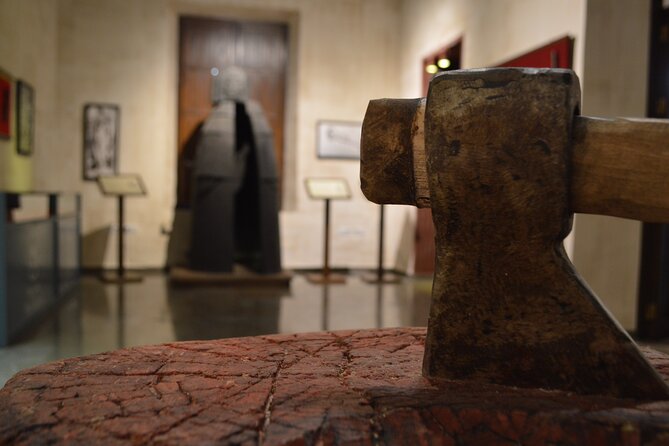
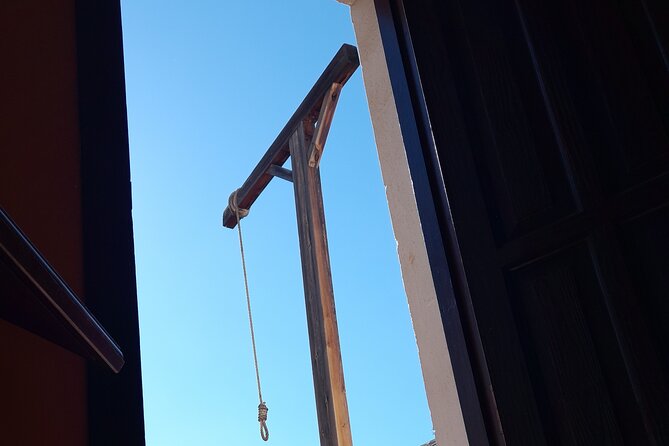
The exhibition is built around a permanent display of torture and capital punishment instruments associated with inquisitorial courts across Europe—both ecclesiastical (church) and civil (secular courts). That scope alone tells you what kind of experience it is: it’s not trying to be a broad textbook. It’s more like a set of curated objects meant to show how systems of punishment worked.
Here’s the useful distinction the exhibition highlights: Spanish ecclesiastical courts were comparatively sparing in their use of instruments. The tools most linked to Spanish ecclesiastical practice include the garrucha, guitar, and rack.
Civil courts, in Spain and elsewhere, are described as being especially cruel toward groups that societies labeled as dangerous for coexistence. That’s where many of the more prominent machines in the display come from. It’s a blunt framing, but it helps you understand the exhibition’s logic: different courts, different levels and styles of punishment, different targets.
The garrucha, the guitar, and the rack: why naming tools matters
A lot of museum displays show objects with minimal explanation. This one—at least in how it’s framed—does something more practical. It points you to the specific instruments most associated with Spanish ecclesiastical courts.
Why that’s valuable for you: when you travel in Spain and see references to the Inquisition, you’ll run into vague terms. Having a few concrete names makes the history feel less abstract. You can make connections later—on your own, in other museums, or even in church-related architecture where these systems cast long shadows.
Also, naming tools helps you mentally prepare for what you’re walking into. You’re not guessing. You’re seeing a display focused on instruments. If you’re the type who needs a heads-up before you commit to a dark subject, this kind of clarity is a plus.
The pacing: a quick but meaningful stop (and who it suits)
This experience is listed as about 1 to 40 minutes. In real life, that typically means you’re choosing between a quick look and a slower read. Either way, you should treat it as a short visit—like you’d treat a compact museum stop on a walking day.
I like short stops when the location is strong, because you can avoid the trap of “museum fatigue.” You can pair this with other Albaicín wandering, a stop near the Darro, or a view-oriented plan around the Alhambra. Short and close-to-the-views is often the best travel mix.
Who it suits:
- You like history objects and want something focused, not sprawling.
- You’re doing a walking route in the Albaicín and want a quick indoor pause.
- You want a low-cost add-on that still feels tied to place.
Who might want to think twice:
- You’re expecting a long narrative about why the Inquisition operated the way it did, with lots of social context.
- You’re looking for a big, multi-room museum experience with deep interpretation for every topic.

The value of $9: small ticket, big placement
At $9, this is priced like a “yes, add it” stop. The big value isn’t only the money—it’s the combination of price + setting + finish point. You’re paying for access to a restored historic palace, a permanent exhibition built around a specific theme, and a viewpoint moment tied to the Alhambra.
When an attraction is this compact, cost matters even more. This one’s a good fit if you want to spend a little time learning something tangible without locking yourself into a half-day. You’re getting a complete experience loop: step inside, view the instruments, then end with an outside outlook.
If you’re budgeting tightly, this is the kind of ticket that doesn’t force a tough tradeoff.
What the viewpoint adds: finishing with the Alhambra instead of a dead end
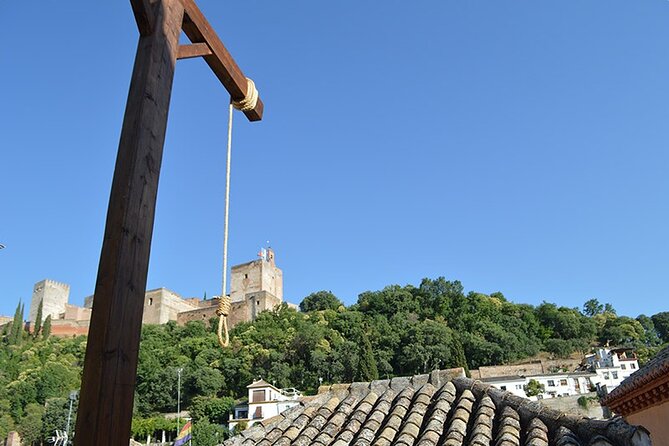
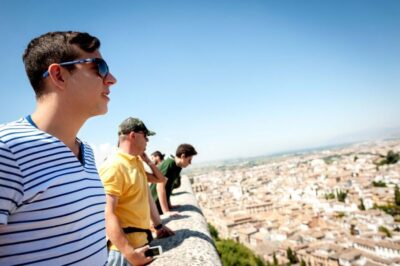
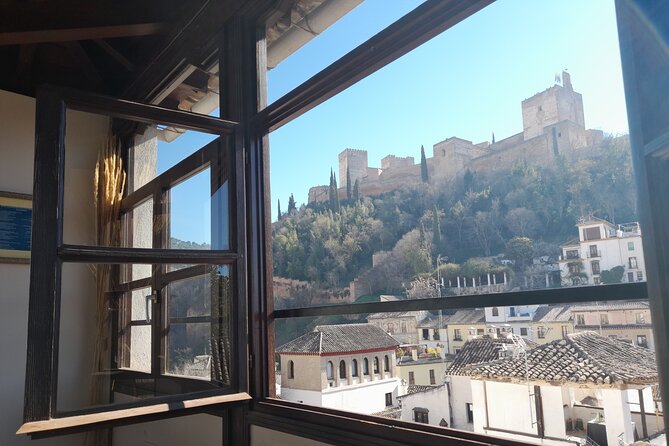
A lot of indoor exhibits leave you stuck in a box: you finish, you exit, and you’re immediately back in “street life.” Here, the visit ends with a fantastic viewpoint overlooking the Alhambra area.
That changes the feeling of the stop. After seeing grim objects, you naturally need a reset. A view gives you space to breathe, and it also gives you context. The Alhambra isn’t just a distant landmark—it’s the dominant backdrop to the Albaicín’s history. Even if you’re not going into the Alhambra itself, the viewpoint helps you orient your mental map.
It’s also a practical win. If your day is packed, ending with a view can be the kind of final “win” that justifies a quick museum stop on the way between other sights.
Practical visit advice: make the most of a short time
Because the experience is designed to be completed quickly, your main job is timing and attention. Here’s how I’d approach it so it feels worth your hour.
First, plan it as part of a walking loop in Albaicín. Don’t schedule it as a “standalone destination” unless you like short detours. The area’s steep and winding, and the whole point is to enjoy the streets on either side.
Second, don’t rush the object descriptions if you’re trying to learn. With a smaller exhibition, every label you read matters more. If you speed through without taking in the names and the church-versus-civil framing, you lose the “why this place is different” value.
Third, save your camera battery for the viewpoint finish. Inside, the lighting may vary by room and display. Outside, you’ll usually get better angle options for the Alhambra view, and that’s where your effort pays off.
Finally, wear shoes you trust. Albaicín is charming, but the slope is real.
Hours and when to go: catch it before evening closes
The venue hours are:
- From 09/15/2023 to 05/31/2025: 10:30 AM – 7:00 PM, Monday through Sunday
- From 06/01/2025 to 05/31/2026: 10:30 AM – 7:00 PM, Monday through Sunday
So you can slot it into a late morning plan, or do it as an early evening indoor stop before the streets get darker and the walking gets more slippery.
If you’re visiting in peak season, aim earlier rather than later. Short attractions can still feel crowded if you arrive at the same time as other tour waves, and you want time to read at your pace.
Who should book this and who should pair it with something else
I’d book this if you want:
- A low-cost culture stop with a strong sense of place.
- A short museum visit that you can finish without needing a full morning.
- A history object experience focused on instruments, with a clear note that ecclesiastical courts used some tools more sparingly than civil courts.
I’d pair it with other Granada viewpoints if you want the best overall day. The Alhambra area view at the end is a natural anchor. After that, consider balancing the dark subject matter with lighter, scenic time outdoors. Even just continuing through the Albaicín lanes toward another outlook can help your day feel complete.
If what you want most is a long, nuanced explanation of the Inquisition’s origins and social impact, this may feel too short on its own. In that case, treat it as a starting point—then add a second, more interpretive history experience elsewhere during your trip.
Should you book it?
Yes—if you like focused exhibitions and you appreciate place-based travel. For $9, you’re getting a restored 16th-century palace in the Albaicín area, a clear theme built around instruments used by inquisitorial courts, and a strong ending with an Alhambra-overlooking viewpoint.
Skip it or plan differently if you need a long, layered narrative. This is a compact stop, so your expectations should be “short and specific,” not “all-day education.”
FAQ
FAQ
Where is the Palacio de los Olvidados?
It’s in Granada, on the Santa Inés slope in the lower Albaicín area, near the Darro River and at the foot of the Alhambra.
How much does the exhibition cost?
The price is listed as $9.
How long does the visit take?
The experience duration is listed as 1 to 40 minutes (approx.).
Is there a mobile ticket?
Yes, the experience uses a mobile ticket.
What is included in the ticket price?
The ticket includes all fees and taxes.
What are the opening hours?
The listed hours are 10:30 AM to 7:00 PM, Monday through Sunday during both date ranges shown.
Can I bring a service animal?
Yes, service animals are allowed.
Is free cancellation available?
Yes, there is free cancellation up to 24 hours before the experience start time for a full refund.
Granada's Museums and Collections
- Granada: Albaicín, Sacromonte & Museum of Caves Walking Tour
★ 4.9 · 244 reviews
Just added to our Granada notebook
- Antequera and Torcal from Granada in a small group up to 7 people★ 4.5 · 3 reviews
- Granada: Alhambra tickets and other attractions★ 5.0 · 3 reviews
- Alhambra and Albaycin Private Tour★ 3.5 · 3 reviews
- Alhambra and Albaicin Private Tour with official Guide★ 3.5 · 3 reviews
- Cathedral and Royal Chapel Premium tour★ 4.5 · 3 reviews