
Reviewed · NASRID PALACE GUIDED VISITS
Alhambra and Nasrid Palaces Private Sensory Tour
Alhambra feels different with the right guide. This private sensory tour is built for smart pacing in Granada, with skip-the-line access so you spend less time waiting and more time understanding what you’re seeing.
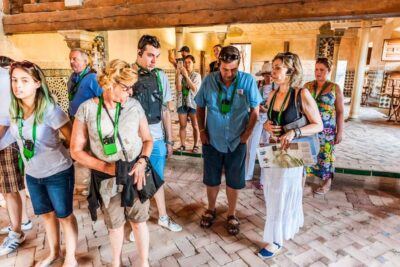
I like how the guide turns architecture into real-world stories, from the court’s daily rhythm to the meaning behind the buildings. With single-use headsets, you can actually follow along without craning your neck or competing with nearby noise.
One thing to consider: the site sits on a rocky hill, so you’ll want moderate physical fitness for walking and stairs, even with a guide.
In This Review
- Key Points You’ll Care About
- Entering Alhambra Without the Usual Headaches
- Timing, Tickets, and the Meeting Point (What to Expect)
- Stop 1: The Alhambra Grounds and Why the Fortress Feels Like Theater
- Stop 2: Nasrid Palaces, Built for Power and Poise
- Mexuar: The Oldest Hall and the Court’s Daily Decisions
- Palace of Comares: Patio de los Arrayanes and the Hall of Ambassadors
- Palace of the Lions: Courtyard of the Lions and the Web of Halls
- Stop 3: Generalife Gardens for a Breather With Meaning
- Stop 4: Alcazaba and the Military Logic Behind the Stone
- What Makes This Tour Feel Worth the Price
- Who This Tour Suits Best (And Who Might Prefer Something Else)
- A Note on Guide Style (The Kind That Keeps You Paying Attention)
- Quick Practical Tips Before You Go
- Should You Book This Private Alhambra Sensory Tour?
- FAQ
- How long is the Alhambra and Nasrid Palaces private sensory tour?
- Does the tour include admission tickets?
- Is this a private tour?
- Is skip-the-line access included?
- What information do I need to provide for the Alhambra?
- Is pick-up or drop-off included?
Key Points You’ll Care About

- Skip-the-line entry helps you use your time slot effectively inside the Alhambra
- Single-use headsets make explanations clear, even in busy rooms
- Nasrid Palaces stop-by-stop guidance helps you connect Mexuar, Comares, and Lions without getting lost
- Sensory elements include an Arabic pastry tasting plus daily-life details from Nasrid times
- Generalife and Alcazaba round out the visit with gardens and military design
- Private group experience means your pace, questions, and route are tailored to your group
Other Nasrid Palace tours we have walked, ranked by what you actually see
- Granada: Alhambra & Nasrid Palaces Tour with Tickets
★ 4.7 · 19,801 reviews - Granada: Alhambra & Gardens Tour w/Nasrid Palaces Option
★ 4.2 · 7,022 reviews - Fast-Track Alhambra & Nasrid Palaces Guided Tour
★ 4.6 · 5,014 reviews - Granada: Alhambra Ticket and Guided Tour with Nasrid Palaces
★ 4.7 · 3,496 reviews
Entering Alhambra Without the Usual Headaches
Alhambra can be overwhelming. Not because it’s complicated to look at, but because it’s huge, timed, and easy to lose context when you’re rushing.
That’s where a private setup pays off. You get guided flow through the Alhambra, plus quick access into the complex so you’re not burning half your morning stuck in lines.
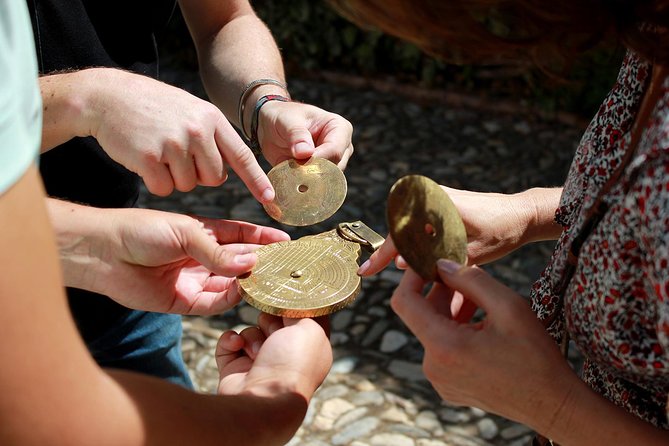
I also like that the tour is designed as a true “sensory” experience, not just a lecture. You’ll get details tied to daily life, and there’s even a small snack tasting of Arabic pastry, which is a nice break in the middle of the palace-and-courtyard circuit.
Timing, Tickets, and the Meeting Point (What to Expect)
The tour runs about 3 hours 30 minutes. It’s booked well ahead on average (about 28 days), which is common for Alhambra since demand stays high.
You meet at P.º de la Sabica, 15, Centro, 18009 Granada and the experience ends back at the same meeting point. There’s no pick-up or drop-off included, so you’ll want to be comfortable getting yourself there with local transport.
The Alhambra entry is timed, and the operator keeps things flexible if the Trust changes access or the order of areas. On occasion, the sequence may shift or certain parts may be restricted, but your total visiting time is not supposed to shrink.
Stop 1: The Alhambra Grounds and Why the Fortress Feels Like Theater
The Alhambra rises on a rocky hill, above the River Darro, surrounded by woods and protected by mountains. Even before you step into the main palaces, you can feel the logic of a stronghold sitting above the city.
Historically, it starts as a military area and evolves into royal residence after the rise of the Nasrid kingdom in the 13th century. You’ll be walking through a complex that has two major “worlds”: the Alcazaba (military/defensive core) and the medina (court city where the royal life took place).
This is where a good guide makes your photos better. Instead of treating walls and towers like random scenery, you understand why the fortress is built to control what the outside world can see—and why the inside feels deliberate, intimate, and tuned to ceremony.
Stop 2: Nasrid Palaces, Built for Power and Poise
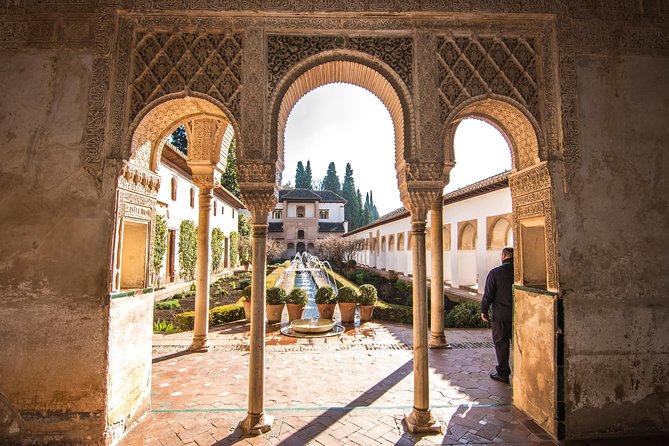
The Nasrid Palaces are the heart of the visit, and they’re structured like a sequence of changing moods. Your time there is short enough that you want clear direction, and that’s exactly what a private guide helps with.
The complex includes three key palace buildings, each tied to a different part of court life and different rulers:
- Mexuar
- Palace of Comares
- Palace of the Lions
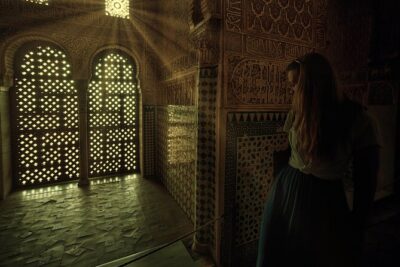
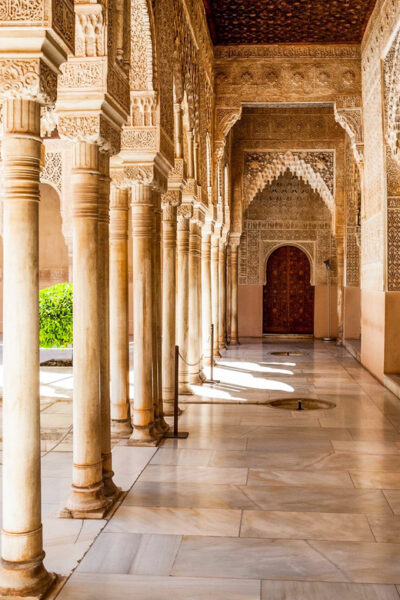
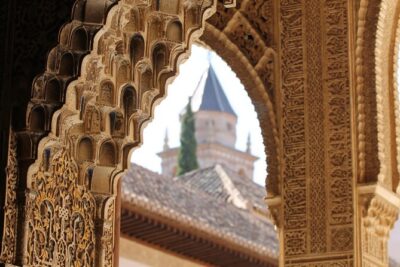
You also get the kind of guidance that helps you read rooms instead of just walking through them. The guide helps you connect the decorative details—especially the tile work and carved stucco—to the purpose of each space.
Mexuar: The Oldest Hall and the Court’s Daily Decisions
The Mexuar is described as the oldest hall in the palace complex. It wasn’t only ceremonial; it was used for meetings between ministers and as a courtroom.
That matters when you’re standing in that space. You start noticing how movement through the room and the arrangement of authority would have shaped conversations—less like a museum room, more like a workplace of power.
If you’re the type who enjoys “how people actually lived,” this stop gives you that angle. You’re not only seeing decoration; you’re learning how governance played out inside those walls.
Palace of Comares: Patio de los Arrayanes and the Hall of Ambassadors
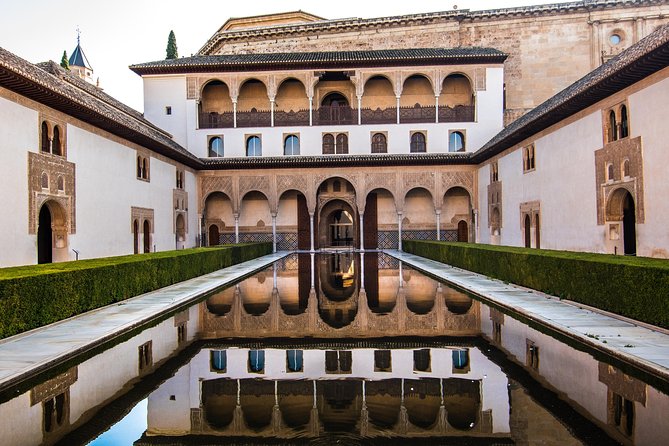
Next is the Palace of Comares, associated with Yusuf I. It’s organized around the Patio de los Arrayanes (Courtyard of the Myrtles), a central outdoor space that becomes the calm center of a politically important complex.
From there, you move toward major interiors, including:
- Sala de los Embajadores (Hall of Ambassadors), located in the Tower of Comares
- Sala de la Barca (Hall of the Boat)
A guide helps you understand why these halls feel ceremonial. Even if you don’t catch every architectural term, you’ll feel the difference in scale and intention once you know who used these rooms and for what.
Palace of the Lions: Courtyard of the Lions and the Web of Halls
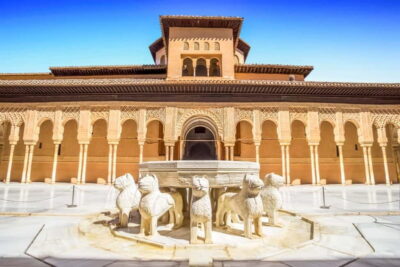
The Palace of the Lions is tied to Muhammed V and feels like the most famous section for good reason. It’s built around the Courtyard of the Lions, with halls along each side that form a kind of royal route through light and decoration.
You’ll pass through spaces including:
- Hall of Mocárabes
- Hall of the Kings
- Hall of the Two Sisters
- Hall of the Ajimeces, which leads toward the mirador Daraxa viewpoint
- Hall of the Abencerrajes
- Harem
This is where the “sensory” part becomes more than marketing. The guide’s commentary ties elements of the design to the palace’s function—what spaces were meant for visitors, what spaces belonged to private life, and why courtyards and transitions matter.
And yes, the tile work is a big deal here. It’s not just pretty surfaces; it’s part of the visual language of power, order, and artistry.
Stop 3: Generalife Gardens for a Breather With Meaning
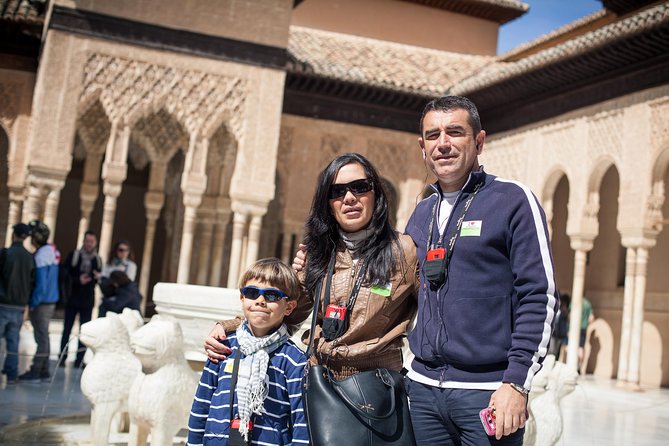
Generalife is a shift in pace. Instead of dense royal interiors, you get gardens with a sense of escape—every corner holds something to notice, and the area avoids the feeling of being “overbuilt.”
Generalife is described as a series of large gardens where the surprises are in the details rather than in big structures. It’s also built around the idea of pleasure and calm, which makes it a smart follow-up after the palaces.
You’ll spend about 20 minutes here. That’s enough time to slow down, reset your eyes after all the patterned surfaces, and pick up a few visual notes you’ll remember later when you think about how the Nasrid kingdom blended elegance with control.
Stop 4: Alcazaba and the Military Logic Behind the Stone
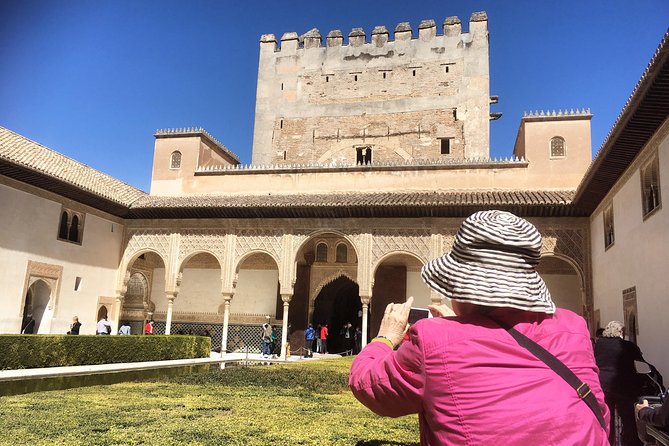
The Alcazaba brings you back to the fortress side of the story. This section plainly served a military function, so it feels different: more about defense and movement control than about court ceremony.
The entrance to the Alcazaba is described as starting at the foot of the Tower of Homage. At the base of that tower is a slight slope and a simple L-shaped walkway designed to keep the main gate from being visible from the outside.
That’s a small architectural trick with a big payoff. When you understand the reason behind a turn or a sightline, your walk starts to feel like reading strategy in real time.
The payoff is that you leave with a fuller picture of the Alhambra. You don’t just see a palace complex; you see why it was built as a fortress that could become a residence.
What Makes This Tour Feel Worth the Price
At $253.43 per person, you’re paying for more than tickets. You’re paying for guided clarity and time efficiency in one of Europe’s most timed, high-demand heritage sites.
Here’s the value math that matters:
- You get skip-the-line access, which protects your timed entry from becoming a waiting game
- Admission tickets are included for the Alhambra areas you visit
- A private guide means you can actually ask questions and get explanations tied to what you’re standing in
- Single-use headsets help you hear clearly in rooms that can get loud or crowded
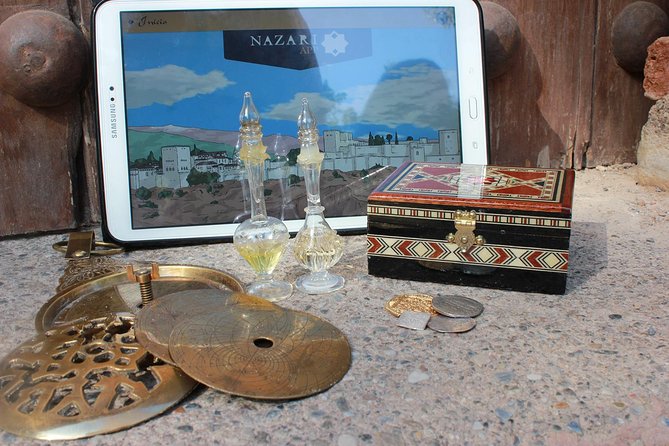
- You also get a small Arabic pastry tasting, plus daily-life details connected to Nasrid times
And if you care about matching your pacing to the group, private is a practical upgrade. You’re not stuck in a “follow the leader” mode where you’re always catching up or always rushing.
Who This Tour Suits Best (And Who Might Prefer Something Else)
This tour fits you if you want:
- A guided, stop-by-stop experience of Nasrid Palaces without getting lost in a maze of rooms
- Clear explanations of architecture and how court life worked
- A “sensory” pause with the pastry tasting and daily-life details
- The kind of pacing that works well for mixed ages and attention spans
It’s also a smart choice for English speakers who want a local guide to connect what you see to context quickly.
If you’re a hardcore self-guided visitor who reads signage slowly, you might feel boxed in by the time limits. But even then, most people find that a guide helps the site click faster than notes and audio alone.
A Note on Guide Style (The Kind That Keeps You Paying Attention)
One detail that stands out from past experiences is how important the guide’s delivery style is. Some guides bring humor and warmth to the explanations, and that makes a big difference in a long architectural visit where it’s easy to mentally switch off.
If your guide uses that mix of clear facts and light humor, the experience feels less like homework and more like a story you can walk through.
Quick Practical Tips Before You Go
You’ll get the most out of this tour if you come ready for a lot of walking on uneven, hilly terrain. Wear shoes you trust.
Also, keep your documents organized. The Alhambra requires that you provide full name, date of birth, and passport details for each participant when booking. If you don’t provide them, access can be denied, so treat that step like it’s part of your ticket.
Finally, bring a phone that’s charged. The experience uses a mobile ticket, so you’ll want your confirmation easy to pull up.
Should You Book This Private Alhambra Sensory Tour?
I’d book it if your priority is getting real context fast—especially inside the Nasrid Palaces—and you want a smooth, guided path with skip-the-line access. The headset setup, the included tickets, and the sensory touches (like the Arabic pastry tasting) make it feel built for people who want to leave with understanding, not just photos.
Skip it only if you’re traveling with a very limited walking tolerance, or if you already know you prefer total self-guided roaming with no structure.
In a place as demanding and timed as Alhambra, this kind of private experience is a practical way to protect your time slot and your attention.
FAQ
How long is the Alhambra and Nasrid Palaces private sensory tour?
It runs about 3 hours 30 minutes (approx.).
Does the tour include admission tickets?
Yes. Admission tickets are included for the Alhambra, Nasrid Palaces, Generalife, and Alcazaba stops.
Is this a private tour?
Yes. It’s private, and only your group participates.
Is skip-the-line access included?
The tour includes skip-the-line access for quicker entry into the Alhambra.
What information do I need to provide for the Alhambra?
You need the full name, date of birth, and passport details for each participant at booking. If you don’t provide them, the Alhambra may deny access.
Is pick-up or drop-off included?
No. There’s no pick-up or drop-off. The tour starts and ends back at P.º de la Sabica, 15, Centro, 18009 Granada, Spain, and it’s near public transportation.
Deeper Into the Nasrid Palaces
- Granada: Alhambra & Nasrid Palaces Tour with Tickets
★ 4.7 · 19,801 reviews - Granada: Alhambra & Gardens Tour w/Nasrid Palaces Option
★ 4.2 · 7,022 reviews - Fast-Track Alhambra & Nasrid Palaces Guided Tour
★ 4.6 · 5,014 reviews - Granada: Alhambra Ticket and Guided Tour with Nasrid Palaces
★ 4.7 · 3,496 reviews - Alhambra & Generalife Skip the line Small Group including Nasrid Palaces
★ 4.5 · 3,051 reviews
Just added to our Granada notebook
- Antequera and Torcal from Granada in a small group up to 7 people★ 4.5 · 3 reviews
- Granada: Alhambra tickets and other attractions★ 5.0 · 3 reviews
- Alhambra and Albaycin Private Tour★ 3.5 · 3 reviews
- Alhambra and Albaicin Private Tour with official Guide★ 3.5 · 3 reviews
- Cathedral and Royal Chapel Premium tour★ 4.5 · 3 reviews
Nasrid Palace Guided Visits, compared.
 ★ 4.7Alhambra & Nasrid Palaces Tour with TicketsFrom $6419,801 reviews
 ★ 4.6Alhambra and Nasrid Palaces Entry TicketFrom $3315,130 reviews
 ★ 4.2Alhambra & Gardens Tour w/Nasrid Palaces OptionFrom $357,022 reviews
 ★ 4.6Fast-Track Alhambra & Nasrid Palaces Guided TourFrom $625,014 reviews
 ★ 4.7Alhambra Ticket and Guided Tour with Nasrid PalacesFrom $593,496 reviews
 ★ 4.5Alhambra & Generalife Skip the line Small Group including Nasrid PalacesFrom $713,051 reviews
 ★ 4.7Alhambra Guided Tour with Nasrid Palaces & GardensFrom $822,190 reviews
 ★ 4.5Alhambra &Charles Palace Guided Tour with Optional Nasrid PalacesFrom $242,149 reviews
Browse the lists this tour appears in